
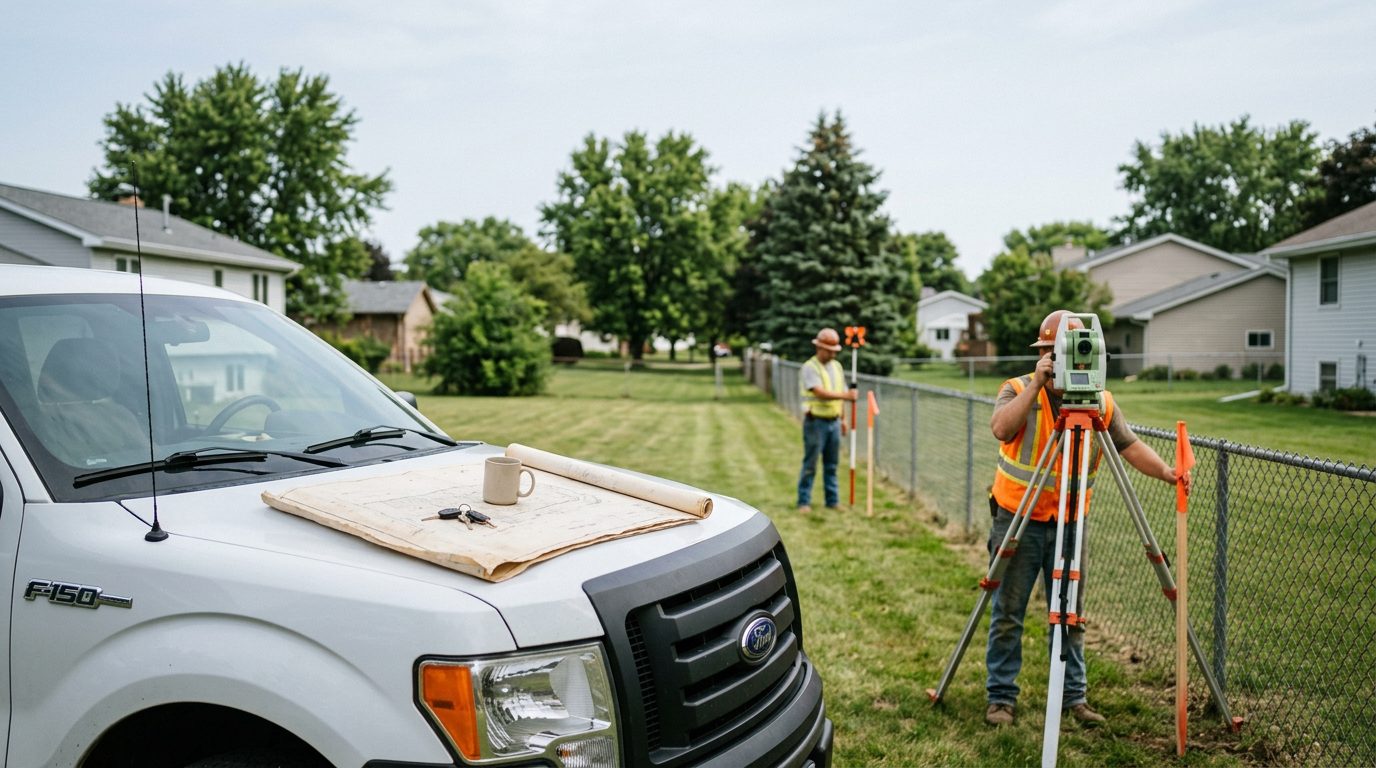
Real estate litigation is a court or arbitration fight over property rights, such as a broken purchase contract, a disputed lease, or a flaw in a property’s title. This guide covers the real estate litigation Brandon businesses most often face, how these cases move, which records to keep, and when to act. Ayala Law PA serves clients in Brandon from its only office, located at 1646 W Snow Ave in Tampa.
What Real Estate Litigation Covers for Brandon Businesses
Real estate litigation is a dispute over land or buildings that is decided in court or arbitration. It covers purchase agreements, leases, title, easements, and how commercial property may be used. Many disputes settle through talks, while others need a filing when talks fail.
Many Brandon businesses own, lease, or develop commercial space, which puts these rules in play. The paperwork often sets the stage. A freehold interest or a term longer than one year must be created or transferred by a signed written instrument. Leases are the exception and need no witnesses. A loose handshake deal about land is hard to prove, so the documents you keep become the core of any case.
Negotiation keeps control with the parties. Filing suit or demanding arbitration makes sense when the other side will not perform. Knowing which path fits early helps you avoid wasted steps.
A purchase contract, lease, or title problem can put your Brandon business at risk, and we can help you weigh your options from our Tampa office. Talk it through with our team — we can walk you through how a situation like yours is usually handled and what your options are.
Common Commercial Real Estate Disputes in Brandon
The most common commercial real estate disputes involve broken purchase contracts, unpaid rent, title problems, and disagreements among co-owners.
Purchase disputes often turn on earnest money, contingencies, and closing conditions. Who keeps a deposit, and whether a buyer can walk away, depends on the contract’s exact words. Missed inspection or financing dates can change everything, so read each date closely.
Commercial leases create their own fights. Tenants may fall behind on rent, dispute repair duties, or argue about renewal and early exit. Under Fla. Stat. § 83.001, this part applies to nonresidential tenancies and all tenancies not governed by part II of this chapter. When a tenant refuses to leave at the end of a lease, Fla. Stat. § 83.06 allows the landlord to demand double the monthly rent. Landlords should keep a written record of every demand. For more detail, see commercial lease disputes.
Title and easement problems often surface after closing or when a lender reviews the property. Boundary disputes and unclear easement rights can slow a sale or refinance.
Disputes among business partners often involve shared property. Under the Florida partnership statute, each partner has equal rights in managing the business. An act outside the ordinary course needs the consent of all partners. That rule matters when one partner wants to sell or use jointly held property without the others.
How These Cases Move Through Hillsborough County Courts and Arbitration
A typical case moves from a written demand to talks or mediation, then to a court filing or arbitration.
A clear written demand states the problem and the fix you want. Many disputes end at this stage. If they don’t, the contract usually decides the next step. Florida enforces a written agreement to arbitrate, except on grounds that exist to revoke any contract, under Fla. Stat. § 682.02. If the other side refuses to arbitrate, Fla. Stat. § 682.03 requires a court to order arbitration unless it finds no enforceable agreement exists.
Venue rules come next. Under Fla. Stat. § 47.011, actions must be brought in the county where the defendant resides, where the cause of action accrued, or where the property in litigation is located. A Brandon property dispute may fit one of those options, but the facts decide which one applies.
Many filed civil actions for money damages also go to court-ordered mediation. Under Fla. Stat. § 44.102, a court must refer such cases to mediation on one party’s request, unless an exception applies. Exceptions apply, including when the parties agreed to binding arbitration, and Fla. Stat. § 44.102(2)(a) also excludes categories such as landlord-tenant disputes that include no personal-injury claim, debt collection, and small claims, among others.
No timeline or result can be promised. Each case depends on its documents, its facts, and each side’s position.
Deadlines and Records That Matter Early
Florida sets time limits for filing suit, and those limits differ by claim type, so waiting can cost you options.
Florida Statute § 95.11 sets a four-year limitations period for actions founded on the design, planning, or construction of an improvement to real property, and a seven-year repose period also limits when those claims can be brought. The clock runs from the earliest of the relevant certificate dates or the date construction was abandoned. In any event, the suit must start within seven years of that date. Under Florida Statute § 95.11, for a latent defect the four-year period begins when the defect was discovered or should have been discovered with due diligence, and the seven-year repose period still applies.
Contract clauses cannot shorten the time to sue. Under Fla. Stat. § 95.03, a contract term that sets a shorter period than the statute allows is void. Read every clause that mentions time limits.
Start a single file now. Keep the purchase or lease agreement, amendments, closing statements, title commitments and policies, surveys, inspection reports, rent ledgers, and written correspondence. Save texts and emails too, because deleted messages make a case harder to prove. Write down verbal promises soon after a call or meeting, since spoken terms are hard to prove.
How Ayala Law PA Serves Brandon and the Tampa Bay Area
Ayala Law PA focuses on business litigation, including commercial, contract, shareholder, construction, real estate, and international trade disputes in Florida courts and arbitration.
Clients in Brandon, Riverview, Plant City, Temple Terrace, and the wider Tampa Bay area are served from the firm’s only office, located at 1646 W Snow Ave in Tampa. There is no office in Tampa, Brandon, or elsewhere in Hillsborough County. Matters are handled from Tampa.
Eduardo A. Maura is the lawyer responsible for this page and the matters described here. Our team, which includes office staff and assistants, helps with intake and scheduling. Hillsborough County matters and related Florida proceedings can be discussed with the firm, with the work coordinated from Tampa.
Preparing for a Case Evaluation
Bring a short timeline, the agreements involved, the amount in dispute, and any notices already exchanged to a case evaluation. A case evaluation is a discussion of your facts and options. It is not a promise of any result. Helpful details include the date each side acted, who signed each document, and whether a deadline has passed or is near. Keep copies of demand letters and default notices.
What is real estate litigation? It is a dispute over land, buildings, or property rights, decided in court or in arbitration.
Can a commercial lease send a dispute to arbitration in Florida? Florida generally enforces a written arbitration agreement, unless a ground exists to revoke a contract, under Fla. Stat. § 682.02.
Do commercial leases need witnesses in Florida?
Where can a commercial real estate case be filed? Florida’s venue rule generally points to where the defendant resides, where the claim arose, or where the property sits.
If your Brandon business is facing a dispute over a purchase contract, a lease, or a title problem, book a case evaluation or call (305) 570-2208 to talk through what comes next.



