
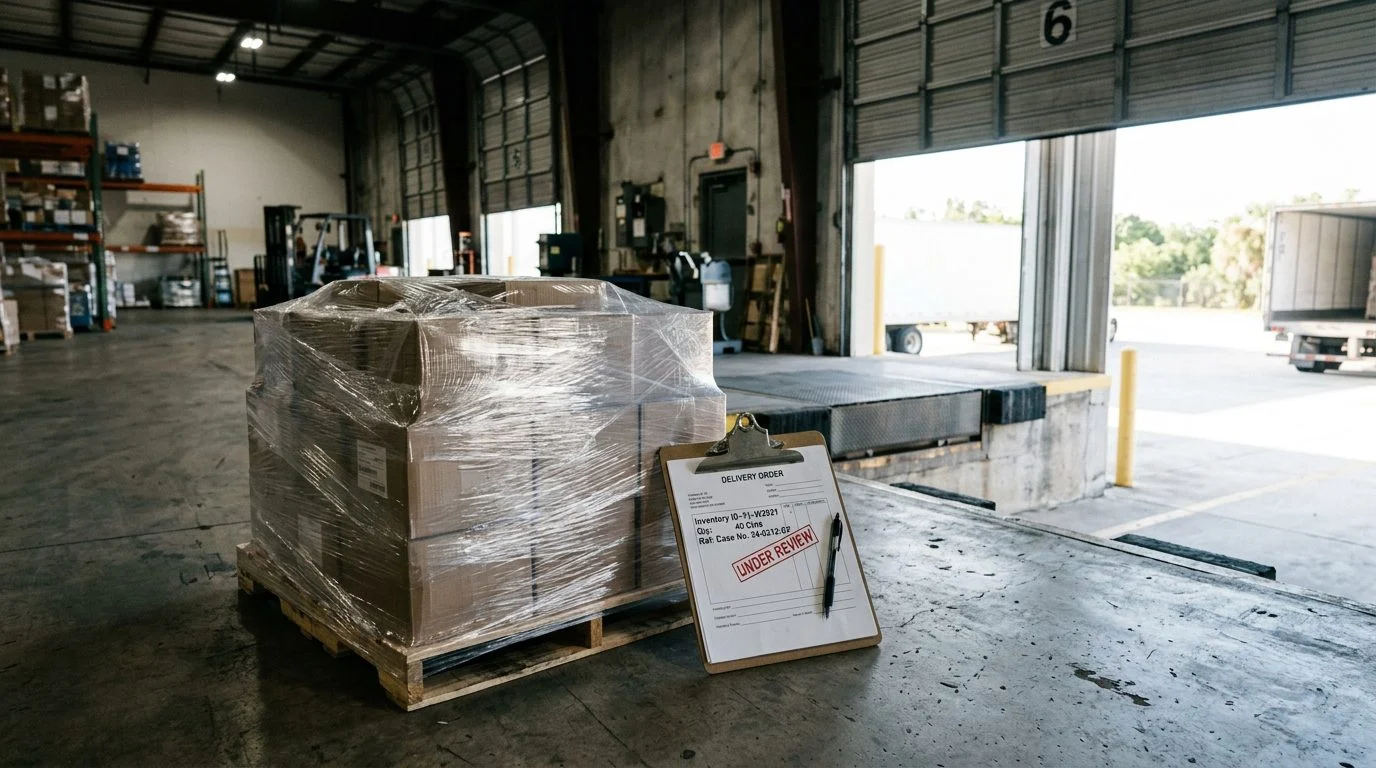
What a Broker Commission Lawsuit on a Commercial Sale Is
A broker commission lawsuit on a commercial sale is a dispute over whether a commission is owed, and how much. The broker may sue to collect the fee, or the seller, buyer, or another broker may sue to avoid paying it.
These cases involve commercial property such as office, retail, industrial, multifamily, and land. The commission right usually comes from a written contract, such as:
- A listing agreement between the owner and the listing broker
- A buyer-broker agreement between the buyer and a broker
- A co-brokerage agreement between two brokers who share a fee
Because the contract sets the rules, its wording usually controls the outcome. Owners, buyers, investors, and brokerage principals in Tampa Bay can face a demand letter or a lawsuit over an unpaid commission.
These matters are handled as commercial and contract litigation. They proceed in Florida courts or in arbitration, depending on what the agreement requires. Florida law generally enforces a written agreement to arbitrate under § 682.02.
If a broker is demanding a commission on a commercial sale you closed, send the agreement and closing papers to our team and call (305) 570-2208. Talk it through with our team — we can walk you through how a situation like yours is usually handled and what your options are.

What the Matter Covers
A broker commission matter covers claims to collect a commission, claims to avoid one, and disputes over how a fee is split. The specific issues include:
- Unpaid commission after closing. A broker claims a fee under an exclusive or open listing after a sale or lease closes.
- Procuring cause. This asks which broker brought the buyer to the deal and whether that broker’s work led to the sale.
- Tail provisions. A tail clause may keep a commission owed on a deal that closes after the listing ends. Its exact time period and conditions decide whether it applies.
- Cooperating broker splits. One broker may sue another over how a co-brokerage fee is divided.
- Restructured deals. Disputes arise when the price changes, the deal is restructured, or the sale closes through a new entity instead of the party named in the agreement.
- Defenses. Sellers, buyers, and brokers may challenge enforceability, the scope of the agreement, or the amount claimed.
- Resolution steps. Demand letters, negotiation, mediation, arbitration where the contract requires it, and litigation in Florida courts.
What Usually Decides These Disputes
The written agreement and the record of the deal usually decide a commission dispute. Start with the contract, then check how the parties actually acted.
- Clear terms. Does the agreement state the commission rate, what triggers payment, and how long it lasts?
- Oral deals. Florida requires an oral contract to have an offer, acceptance, consideration, and enough detail on essential terms, as St. Joe Corp. v. McIver explains.
- Listing type. An exclusive listing and an open listing can lead to different answers on who earns a commission.
- Procuring cause records. Emails, showing logs, offers, and letters can show who brought the buyer to the table.
- Closing papers. The purchase agreement, closing statement, and disbursement records show what was agreed and paid.
- Notices and changes. Any termination notice, tail period, or commission reduction should be in writing and documented.
Some defenses are hard to win. A court can refuse to enforce a term as unconscionable only if it finds both procedural and substantive unfairness, weighed together, as Basulto v. Hialeah Automotive states.
How the Process Works and What to Expect
The process usually starts with a document review. It then moves to a demand, negotiation, and either resolution or a filing. Each step follows what the agreement requires.
- Document review. Send the listing or buyer agreement, offers, purchase contract, closing statement, and all messages about the deal.
- Forum check. Review the dispute clause to see whether a court or arbitration applies. A court may not refuse to order arbitration just because the claim lacks merit, under § 682.03.
- Demand or response. A written response often narrows the issues before anyone files.
- Filing or defense. The matter moves to a Florida court or arbitration. Discovery follows, which can include document requests and depositions. Venue generally lies where the defendant lives, where the claim arose, or where the property is located, under § 47.011, but that rule does not apply to actions against nonresidents.
- Mediation and settlement. On one party’s request, a court must generally refer a filed damages case to mediation, provided the requesting party is willing and able to pay the costs of the mediation or the costs can be equitably divided between the parties, subject to listed exceptions, under § 44.102. Fla. Stat. § 44.102 reads: “(2) A court, under rules adopted by the Supreme Court: (a) Must, upon request of one party, refer to mediation any filed civil action for monetary damages, provided the requesting party is willing and able to pay the costs of the mediation or the costs can be equitably divided between the parties, unless: 1.”
Timing varies with the agreement, the court or arbitration calendar, and how contested the issues are. Deadlines matter. Florida generally starts the clock when the last element of the claim occurs, under § 95.031. A contract cannot shorten the statutory period to sue, under § 95.03. Raise timing questions early.
Why Ayala Law PA
Ayala Law PA focuses on business litigation. That includes commercial and contract disputes, shareholder and partnership disputes, construction litigation, real estate litigation, and international trade disputes in Florida courts and arbitration. Commission disputes on commercial sales fall within the commercial, contract, and real estate litigation work.
- Eduardo A. Maura is the responsible lawyer for this page.
- Support staff assist with document organization and case administration.
- Our team reviews the agreement and closing records before discussing possible positions.
- Our only office is at 1646 W Snow Ave, Tampa, FL. This page serves businesses in Tampa, Hillsborough County, Brandon, Riverview, Plant City, Temple Terrace, and the wider Tampa Bay area.
- If another lawyer or firm is better suited to your matter, we will tell you so.
- Fee terms are explained when you contact the firm.
Frequently Asked Questions
Can a broker sue for a commission without a written agreement?
Possibly. An oral deal can be enforced if it has an offer, acceptance, consideration, and enough detail on its essential terms.
Does a commission dispute have to go to arbitration?
Only if the agreement requires it. Florida law generally enforces a written agreement to arbitrate.
Do I owe a commission if the buyer never closed?
That turns on the listing or buyer agreement, any tail clause, and whether the broker was the procuring cause.
What if the sale closed after my listing expired?
A tail clause may still apply. Its exact wording controls.
How soon should I act after a demand letter?
Respond on time, keep every document, and raise deadline questions right away. Waiting can narrow your options.
Not sure what your next step is?
Talk it through with our team — we can walk you through how a situation like yours is usually handled and what your options are.
Talk With Our Team About Your Commercial Sale
If a broker has demanded a commission on a commercial sale you closed, or sued over a fee split, your next step is to get the facts reviewed. Send the agreement and closing papers to our team, then call (305) 570-2208 or request a case evaluation.



