
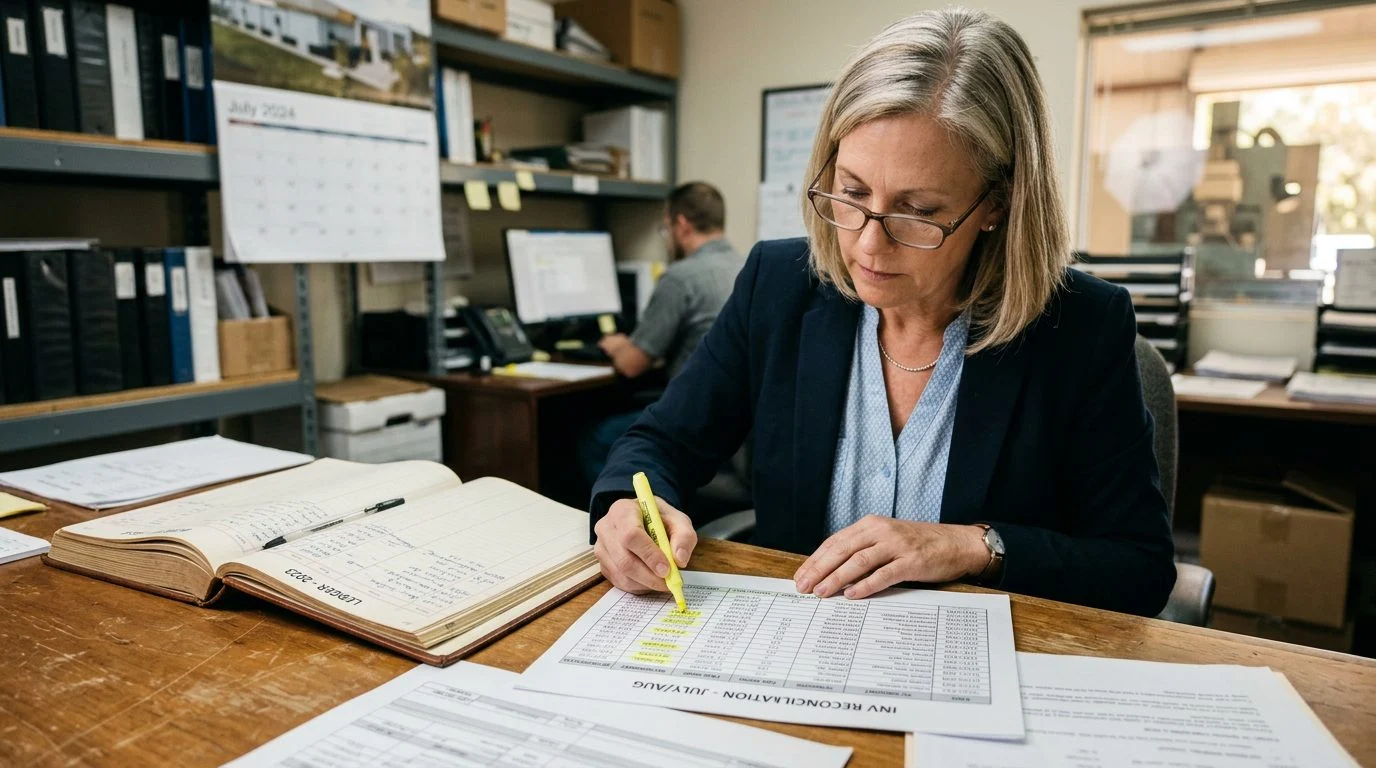
Does a force majeure clause excuse performance under a Florida business contract? Only when the event falls within the clause’s wording, and the clause’s notice steps are followed. A careful review of the contract language and the timeline of events is a practical first step when an unexpected disruption affects a business deal. This guide explains the force majeure clause Florida business contract questions most owners ask, in plain terms, and what to check now.
The Short Answer: The Listed Event and the Notice Steps Control
A force majeure clause excuses a delay or failure to perform only for the events its wording names or describes. Clauses often name natural disasters, government orders, war, and supply interruptions. The notice and mitigation requirements in the same clause can decide whether the excuse is available at all. Whether the clause fits your facts depends on the exact text and what actually happened.
If a storm, a government order, or a supplier shortage has stopped your business from performing, we can review your contract and notice timeline with you. Talk it through with our team — we can walk you through how a situation like yours is usually handled and what your options are.

What a Force Majeure Clause Does in a Florida Business Contract
A force majeure clause is a term the parties agree to. It is not an automatic rule that applies to every deal. If the contract has no such clause, the analysis moves to other legal doctrines, covered below.
Contract disputes often begin with the written agreement itself. A contract still needs the basic parts of a deal, including offer, acceptance, consideration, and essential terms stated clearly enough. St. Joe Corp. v. McIver applies those basics to oral contracts too.
A typical clause suspends or excuses your duty to perform while the event lasts. For example, it may say a party is excused when events beyond its reasonable control prevent performance. Some clauses excuse delay only. Others excuse performance altogether. That difference changes what remedies remain and what you must still do.
Why the Listed Event Controls Whether Performance Is Excused
Start by comparing the event to each item in the clause. Use this checklist:
- Write down what happened, the date it began, and what it stopped.
- Match it to a listed item, such as acts of God, war, pandemic, government action, labor strikes, or material shortages.
- Read catch-all phrases closely. Wording like “other causes beyond the reasonable control of the party” can reach more events, but it is read alongside the listed items.
- Ask whether the event actually caused the failure. A storm in another city does not excuse a late delivery if your supplier was never affected.
Foreseeability is not the first question under the clause itself. The question is whether the event fits the category the clause describes. A surprise event may still fall outside the words, and a predictable one may fall inside them. Pandemic-related claims are a good reminder that exact wording matters more than the general sense of a disaster.
Notice, Mitigation, and Proof: The Steps Businesses Often Miss
Written notice within the time the clause sets is often the step that decides the excuse. Missing a notice window can cost you the excuse, even when the event itself qualifies. Many clauses also ask the affected party to take reasonable steps to limit the delay or find another way to perform.
Keep dated records. Save news reports or government notices about the event, your supplier messages, and a written link between the event and your missed performance. Also keep a list of every step you took to reduce the delay.
Email is a common notice channel. Florida’s Uniform Electronic Transaction Act applies only where each party has agreed to deal electronically. That agreement is judged from the context and the parties’ conduct.
Notice rules for goods work differently. If you accepted goods that do not match the contract, Fla. Stat. § 672.607 requires notice to the seller within a reasonable time after you discover or should have discovered the breach. Otherwise you may be barred from a remedy.
Timing matters beyond the clause.
When the Clause Is Silent: Impossibility and Frustration of Purpose
If the contract has no force majeure clause, two common-law doctrines may help. Both are narrower than most owners expect.
Gathering the relevant contracts, correspondence and records early can help your business and its counsel evaluate how these concepts may apply to your situation.
That is why the wording matters even when a contract looks incomplete.
Common Disputes: Construction, Real Estate, and Tariffs or Supply Problems
Each dispute turns on the clause wording, the event, the timeline, and the notice record. The details differ by contract type.
Construction contracts often address weather, permitting delays, and material shortages. Disputes usually center on whether the delay fits those terms and whether the contractor gave timely notice. Because the timing of a construction claim depends on the facts of each project, contact our office promptly to review the dates that may apply to your situation. Exceptions can apply, so the deadline in a particular case depends on its facts.
Real estate contracts, including standard Florida forms such as FAR/BAR contracts, may include force majeure language or leave it out. Read the version the parties actually signed, including any changes made in the margins or addenda.
Tariff and supply-cost disputes raise a wording question. Does the clause name government action or a change in law? Is a higher cost alone enough? A higher price on its own may not be enough to excuse performance under most clause wording.
Not sure what your next step is?
Talk it through with our team — we can walk you through how a situation like yours is usually handled and what your options are.
Talk Through Your Contract Before the Deadline Passes
If an event has stopped your business from performing, act on the notice window now. The timing is part of the analysis, and delay can narrow your options.
Eduardo A. Maura is the responsible lawyer for this page. The firm’s office is at 1646 W Snow Ave in Tampa. The firm serves businesses in Tampa and Hillsborough County with contract, construction, real estate, and international trade litigation.
If your business is facing this situation, send your contract, any notices you sent or received, and a short timeline of the event. You can do so through our contact form or by calling (305) 570-2208.
Frequently asked questions
Does a force majeure clause cover every unexpected event?
No. It covers only the events its wording names or describes.
It is narrow.
Do I have to reduce the delay?
Many clauses ask for reasonable steps to limit the delay. Keep records of what you did.



