
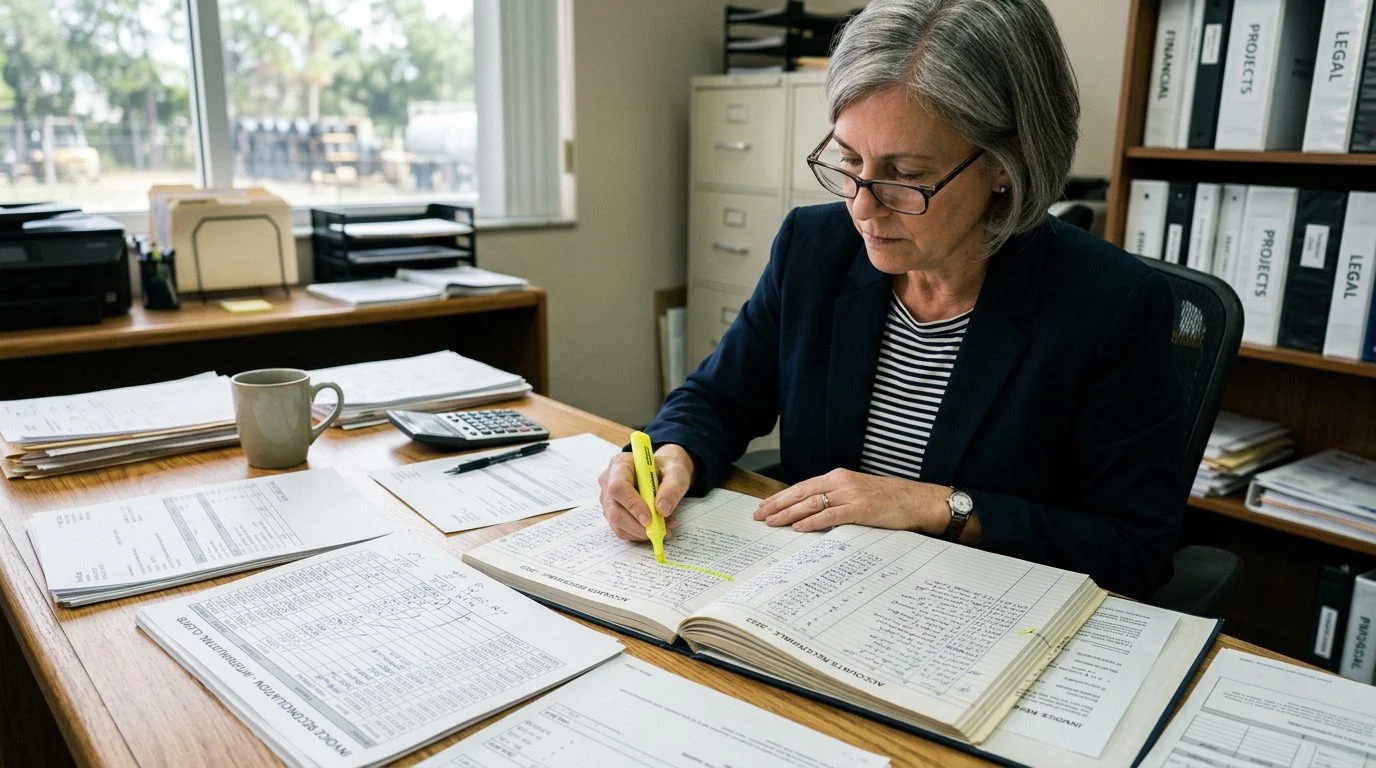
Quick answer: what to do when an overseas buyer stops paying
If an overseas buyer won’t pay, start by gathering your contract and shipping records, then send a written demand. Check the contract for notice steps, forum selection clauses, and arbitration clauses. Those terms often decide where and how you can pursue payment.
The right path depends on the facts: the contract terms, how payment was set up, where the buyer is located, and what documents you have.
Eduardo A. Maura is the responsible lawyer for this page. Ayala Law PA’s only office is at 1646 W Snow Ave in Tampa. The firm works with businesses in Tampa, Hillsborough County, Brandon, Riverview, Plant City, Temple Terrace and the wider Tampa Bay area.
The firm’s business litigation work includes commercial litigation, contract disputes, and international trade litigation in Florida courts and arbitration.
If a foreign buyer has your goods or your money and has stopped paying, reach out to us so we can review your contract and shipping records together. Talk it through with our team — we can walk you through how a situation like yours is usually handled and what your options are.
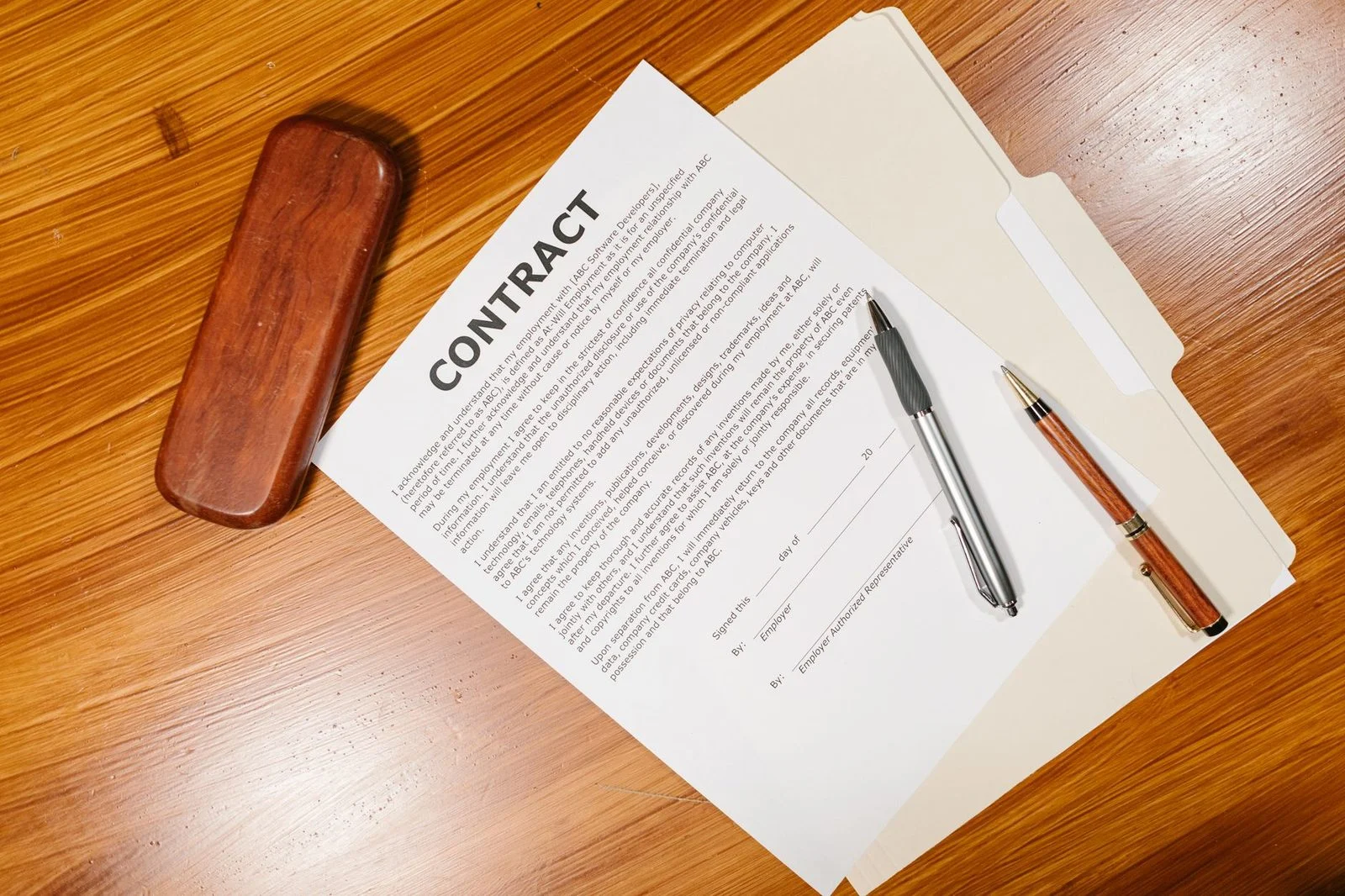
What this service covers for importers and exporters
This service covers unpaid sales of goods between Florida businesses and buyers or sellers abroad. It fits two kinds of clients:
- Florida exporters who are owed money by a foreign buyer after shipment.
- Florida importers who paid for goods that never arrived or did not match the contract.
Typical claims include breach of contract, unpaid invoices, and disputes over payment terms.
We review:
- Purchase orders, sales agreements, invoices, and terms of sale
- Payment terms, governing law, forum selection, and arbitration clauses
- Bills of lading, commercial invoices, delivery receipts, emails, and payment records
Enforcement can include demand letters, settlement talks, arbitration, Florida litigation, and collection after a judgment.
How the collection process works step by step
The process starts with the paper trail, then a clear breach, then a written demand. Each step builds on the one before it.
- Confirm the amount. Add up the principal, agreed interest or fees, and any credits or disputed items.
- Identify the breach. Pinpoint what the buyer failed to do, such as missing a due date, skipping an installment, or sending a payment that bounced.
- Check notice rules. Look for cure periods or notice steps in the contract, and follow them before taking the next step.
- Send a demand letter. State the amount, the basis for the claim, the payment deadline, and what happens if the buyer does not pay.
- Choose the next path. Based on the response, pursue settlement, arbitration if the contract requires it, or a lawsuit.
A common mistake is a vague demand that leaves out the exact amount or the deadline. Another is skipping a notice step the contract requires. That gives the buyer an easy reason to delay. Careful records at each step make the next decision easier.
Litigation and arbitration options when a foreign buyer refuses to pay
The contract usually decides whether the dispute goes to court or to arbitration, so read the dispute clause first.
Florida court. Under Fla. Stat. § 47.011, actions must be brought in the county where the defendant resides, where the cause of action accrued, or where the property in litigation is located. That rule does not apply to actions against nonresidents, so a foreign buyer’s case raises different questions. Florida courts can also reach a party that runs a business in Florida, or that breaches a contract by failing to perform acts the contract required in Florida. See Fla. Stat. § 48.193.
Arbitration. Under Fla. Stat. § 682.02, an arbitration agreement in a written record is valid, enforceable, and irrevocable. Fla. Stat. § 682.02 reads: “(1) An agreement contained in a record to submit to arbitration any existing or subsequent controversy arising between the parties to the agreement is valid, enforceable, and irrevocable except upon a ground that exists at law or in equity for the revocation of a contract.” The exception is a ground that exists for revoking any contract. The federal rule is similar for contracts involving commerce. See 9 U.S.C. § 2. If a party resists arbitration, the court must order it unless it finds no enforceable agreement. A court also may not refuse arbitration just because the claim lacks merit. See Fla. Stat. § 682.03.
See Fla. Stat. § 672.709.
Deadlines for oral or unwritten contracts. An action on an oral or unwritten contract, including a sale of goods, is a legal or equitable action on a contract not founded on a written instrument under s. 95.11, Florida Statutes. Other claims have their own deadlines, which depend on the type of claim and the facts.
Serving papers abroad. Serving a buyer in another country usually adds steps and time to the case.
What to expect: timeline and practical steps
The early phase is usually the quickest part, and its pace depends on how fast the buyer responds.
- Early phase. Document review, a demand letter, and a response period.
- Filing. A complaint or arbitration demand, service on the buyer, and a response deadline that varies by forum and by where the buyer is located.
- Discovery and motions. Exchange of records, possible depositions, and motions that can shape the case.
- Resolution. Settlement, an arbitration award, or a judgment. Collection steps follow if payment still does not come.
Timelines vary with the forum, the buyer’s location, and how complex the claim is. No one can set them in advance.
Why clients bring these matters to Ayala Law PA
Ayala Law PA focuses on business litigation. That includes commercial litigation, contract disputes, shareholder disputes, construction litigation, real estate litigation, and international trade litigation.
- Responsible lawyer: Eduardo A. Maura is responsible for the content of this page.
- Office: The firm’s only office is at 1646 W Snow Ave in Tampa. Clients in Tampa and Hillsborough County can reach the firm there or by calling (305) 570-2208.
- Approach: The firm starts with the documents, builds a clear demand strategy, and moves to arbitration or litigation when the facts call for it.
Not sure what your next step is?
Talk it through with our team — we can walk you through how a situation like yours is usually handled and what your options are.
Common questions about unpaid overseas invoices
Can a Florida company file a lawsuit against an overseas buyer?
It may be possible, in Florida or in the buyer’s home country. The answer depends on the contract and the buyer’s ties to Florida.
Does the contract control where I file?
Often, yes. A forum selection or arbitration clause can control where and how the dispute proceeds, so review it first.
How long do I have to sue?
For a legal or equitable action on a contract, obligation, or liability not founded on a written instrument, including an action for the sale and delivery of goods, wares, and merchandise, see Fla. Stat. § 95.11. See Fla. Stat. § 95.11.
What if the buyer says the goods were wrong?
That claim often turns on delivery, conformity, and documents. Your records matter a great deal.
What if the buyer used a letter of credit?
The instrument’s terms and bank procedures can change the remedy. Bring those papers to the first review.
Talk with us about the unpaid shipment you are dealing with
Ayala Law PA can review your contract, invoices, and shipping records for an unpaid overseas shipment. If a buyer has your goods or your money and has gone quiet, call (305) 570-2208 or use the contact form before the next demand goes out.



