
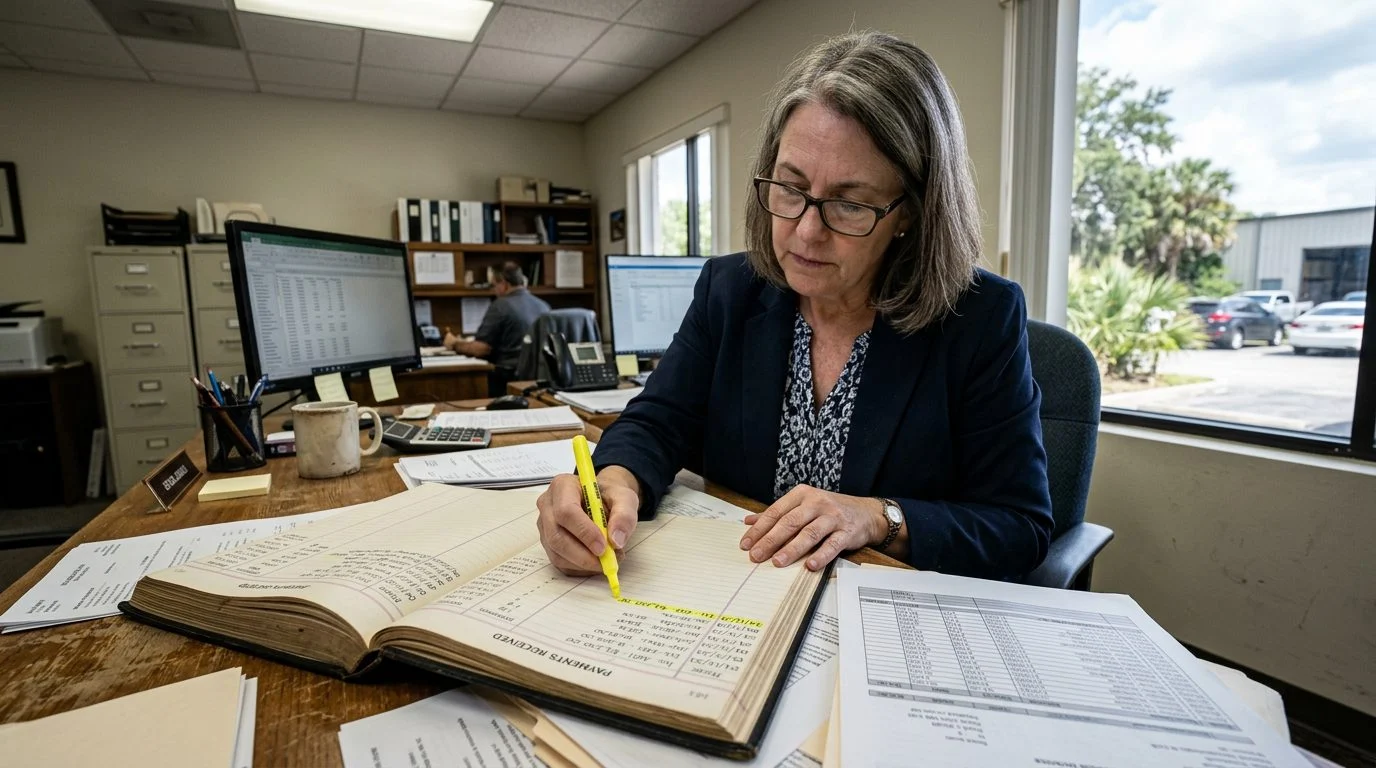
If a customer walked away after a rival stepped in, you may wonder whether Florida law gives your business a claim. Tortious interference with a business relationship can be that claim, but only if the facts fit a specific test.
In plain terms, the claim needs a real business relationship, the rival’s knowledge of it, an intentional and unjustified act to disrupt it, and a loss to your business.
What Tortious Interference With a Business Relationship Means in Florida
Tortious interference is a term lawyers use for one type of business dispute. Someone intentionally and improperly disrupts a relationship between your business and another party, and that disruption costs you money. “Tortious” means the conduct can support a lawsuit for damages. It is a civil claim, not a criminal charge.
Because of that, the facts of each dispute carry a lot of weight.
Business owners, managers and founders often bring these claims after a sale, a supply deal or a major customer falls through. A general feeling that a rival played dirty is not enough. Documentation helps show what happened in a business dispute.
If a signed customer agreement ended after a competitor got involved, or a pending deal stalled once a rival reached your buyer, we can talk through those facts with you. Talk it through with our team — we can walk you through how a situation like yours is usually handled and what your options are.

Interference With a Signed Contract Differs From a Deal Still in Progress
Interference with a signed contract is one kind of dispute businesses sometimes raise when a third party is alleged to have affected a signed agreement. Examples include a signed supplier agreement that a third party allegedly caused one side to breach.
The difference changes the proof. A signed contract shows the relationship on its face.
Whether a competitor’s conduct after learning about a bid crosses a legal line depends on the specific facts, so questions about bid interference are worth reviewing against the actual circumstances. Another: a rival spreads false claims about your company so the buyer walks away. False statements are different.
The Four Elements a Business Must Prove in Florida
A business must prove four things. A 2023 Third District Court of Appeal decision lists them as the existence of a business relationship, the defendant’s knowledge of it, an intentional and unjustified interference, and damage to the plaintiff from the breach of that relationship. See Ozyesilpinar v. Reach PLC.
- Relationship. You need an actual customer, vendor, partner or deal you can name and document.
- Knowledge. The rival must have known about it. A rival who never learned of your deal could not have targeted it.
- Intentional and unjustified. The rival acted on purpose, without a legitimate reason.
- Damage. Your business lost money because the relationship broke down.
Courts look at each element separately. A gap in any one of them can sink the claim. That is why records from the start matter.
When Competition Is Lawful and When It Crosses the Line
Competing for customers is normal business. A rival that openly offers better prices or service is usually competing, not interfering.
Justification is often the main fight. Courts look at the rival’s motive and methods. The same contact can look proper on one timeline and improper on another, so dates and messages matter.
Deceptive conduct is one improper method; Florida law declares unfair or deceptive acts or practices in the conduct of any trade or commerce unlawful. See § 501.204. See Frutafino, S.A.S. v. Dole Chile. A promise about future conduct can count too, but only if the person making it had no intention of performing. Florida’s consumer statute also declares unfair methods of competition and deceptive acts in trade or commerce unlawful. See § 501.204.
How Hard Is It to Prove Tortious Interference?
Proof depends heavily on documents, and the strongest cases rest on records made at the time. Helpful evidence includes emails, texts, call logs, bid documents, written proposals, and anything showing the deal was about to close. The timing of the rival’s contact with your customer often tells the story.
Causation is where many owners struggle. A buyer may have walked away for its own reasons, so your records need to separate those reasons.
Keep the original messages, do not edit or delete anything, and write down what you learned and when. Start that file at the first sign of trouble, not months later.
Weak claims carry a cost too. Florida law says a court shall award a reasonable attorney’s fee to the prevailing party, paid in equal amounts by the losing party and the losing party’s attorney, when the losing party or its attorney knew or should have known a claim was not supported by the material facts or would not be supported by then-existing law. The statute has exceptions, so the result is not automatic. See § 57.105.
What Damages Can Look Like in These Cases
Damages usually cover money the business lost because the relationship broke. Common examples are lost profits from a terminated contract or from a deal that never closed.
Lost profit claims rest on financial records and a clear method for working out the loss. A projection with no records behind it is hard to support. What a business can recover depends on its facts and the evidence it can present.
Common questions
Can you sue a competitor for taking a customer in Florida?
Possibly. Ordinary competition is generally lawful, but a claim needs a provable relationship and intentional, unjustified interference.
Does a fraud claim require justifiable reliance?
Under Butler v. Yusem, justifiable reliance is not a necessary element of fraudulent misrepresentation.
Can a promise about future conduct support fraud?
It can, if the person making the promise had no intention of keeping it when they made it.
Not sure what your next step is?
Talk it through with our team — we can walk you through how a situation like yours is usually handled and what your options are.

Talk With Ayala Law PA About Your Situation
Ayala Law PA can review the facts of a lost customer or stalled deal with you. The firm focuses on business litigation, commercial litigation, contract disputes, shareholder disputes, construction litigation, real estate litigation and international trade litigation in Florida courts and arbitration.
Eduardo A. Maura is the responsible lawyer for this page. The firm serves businesses in Tampa, Hillsborough County, Brandon, Riverview, Plant City, Temple Terrace and the wider Tampa Bay area. Fee terms are explained in writing before any engagement. No one can promise how a dispute will end, and past results do not predict future ones.
For more background, see business litigation in Florida.
If a signed customer agreement ended after a competitor got involved, or a pending deal stalled once a rival reached your buyer, call (305) 570-2208 or send us your details so we can talk through the facts.



