

What is the independent tort doctrine? In Florida, it is the rule that a tort claim generally cannot be used to recover for a broken contract unless the tort rests on a duty that exists apart from that contract. This matters when a business deal goes wrong and one side wants to call the problem fraud or another tort. Here is how the line works, in plain terms.
The short answer: what the independent tort doctrine means
The independent tort doctrine asks whether a tort claim rests on a duty that exists apart from the parties’ contract. If the only duty at stake comes from the contract, the claim is usually a contract dispute.
“Independent” can be confusing. It does not mean the parties have no deal. It means the wrong must come from a source of duty outside the agreement. Under Third District law, a plaintiff may not recover in tort for a contract dispute unless the tort is independent of the breach.
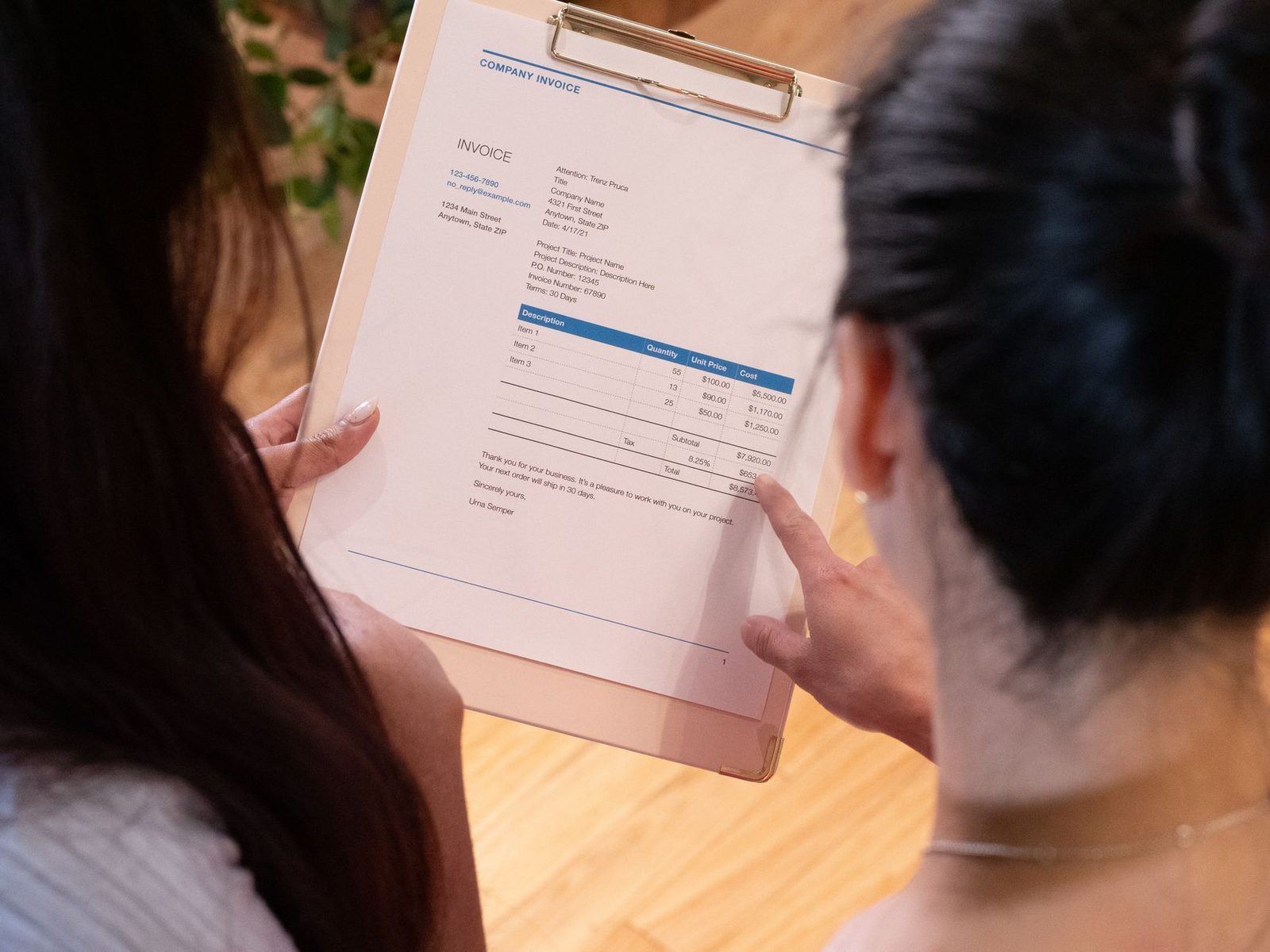
Consider a dispute over unpaid invoices. Frutafino discusses the common law principle that a plaintiff may not recover in tort for a contract dispute unless the tort is independent of any breach of contract (opinion). The label on the claim did not save it.
If a payment, lease, or partnership fight has you wondering which claims fit, our team can talk through the facts of your situation with you. Talk it through with our team — we can walk you through how a situation like yours is usually handled and what your options are.

Contract duties versus tort duties
A contract claim asks whether a promise was kept. A tort claim asks whether a legal duty was broken. The difference lies in where the duty comes from.
Typical contract duties include:
- Paying an invoice on the agreed terms
- Finishing work by an agreed date
- Delivering goods that meet the written specifications
Some duties exist apart from any contract. Statutory duties are another. Florida’s unfair and deceptive practices law declares unfair methods of competition, unconscionable acts or practices, and unfair or deceptive acts or practices in the conduct of any trade or commerce unlawful.
Some duties come from business entity rules. Managers of manager-managed Florida LLCs and members of member-managed Florida LLCs owe duties of loyalty and care under the LLC standards of conduct.
How Florida courts approach the line
Courts ask whether the conduct at issue is one the contract already governs. They also ask whether it is a separate wrong that would exist without the contract. The answer depends on the facts.
Fraud claims need extra care. A promise about the future can still support fraud if the person making it had no intention of keeping it. The Frutafino decision explains this exception.
Other routes have limits too. Where an express contract covers the same subject, claims arising from that relationship cannot be pursued as unjust enrichment. Interference claims also need a real relationship. Florida’s Third District requires an identifiable agreement that would likely have been completed without the interference.
Where the doctrine comes up in business disputes
The doctrine comes up most often when a money or performance dispute gets labeled as a tort. These fights arise for businesses in Tampa, Hillsborough County, and across the Tampa Bay area.
Commercial leases. Part I of Florida’s Chapter 83 applies to nonresidential tenancies and all tenancies not governed by part II of the chapter. A landlord and tenant may argue over rent, repairs, or lease terms. Either side may try to frame the fight as more than a lease breach.
Construction contracts. Contractor and subcontractor disputes over payment, scope, or defective work often raise this question. An unpaid subcontractor may want to add a fraud claim. Courts look at whether that claim rests on a separate duty or just restates the unpaid bill.
Partnerships and shareholders. A partner’s duties are limited to loyalty and care. The partnership conduct statute limits the duty of care to refraining from grossly negligent or reckless conduct, intentional misconduct, or a knowing violation of law.
Real estate. Deal communications can raise misrepresentation claims. Whether such a claim is a tort or a contract claim turns on what was promised and when.
Labels carry risk too.
Common misunderstandings
The doctrine does not bar every tort claim that appears alongside a contract. It bars tort claims that rest only on duties the contract already creates.
A label on a complaint does not decide the question. Courts read the substance of the allegations and the duty they describe.
Timing matters too. A party that can cancel a voidable contract can lose that right. Under a general rule, ratification happens when that party fails to rescind after learning the facts that justify it.
Does the doctrine block every tort claim?
No. It blocks tort claims that rest only on duties the contract already creates.
Can a fraud claim survive when a contract exists?
Sometimes. The claim must rest on a separate wrong, and a promise made with no intent to perform can qualify.
Is an unfair contract term automatically unenforceable?
Not by itself. Florida courts require both procedural and substantive unconscionability, weighed together, as explained in Basulto v. Hialeah Automotive.
Talk with our business litigation team about your dispute
Ayala Law PA can talk through the facts of your dispute with you. That includes disputes with a landlord, a contractor, a co-owner, or a buyer. Most people reading this are not planning a lawsuit. They are dealing with an unpaid invoice, a lease problem, or a partner who is not acting in good faith.
Ayala Law PA focuses on business litigation, commercial litigation, contract disputes, shareholder disputes, construction litigation, real estate litigation, and international trade litigation in Florida courts and arbitration. Eduardo A. Maura is the responsible lawyer for this page. The firm’s only office is at 1646 W Snow Ave in Tampa, and it represents businesses and entrepreneurs in Tampa, Hillsborough County, and the Tampa Bay area in Florida courts and arbitration. Fee terms are reviewed directly when you reach out.
To discuss your situation, call (305) 570-2208 or send a case evaluation request.



