
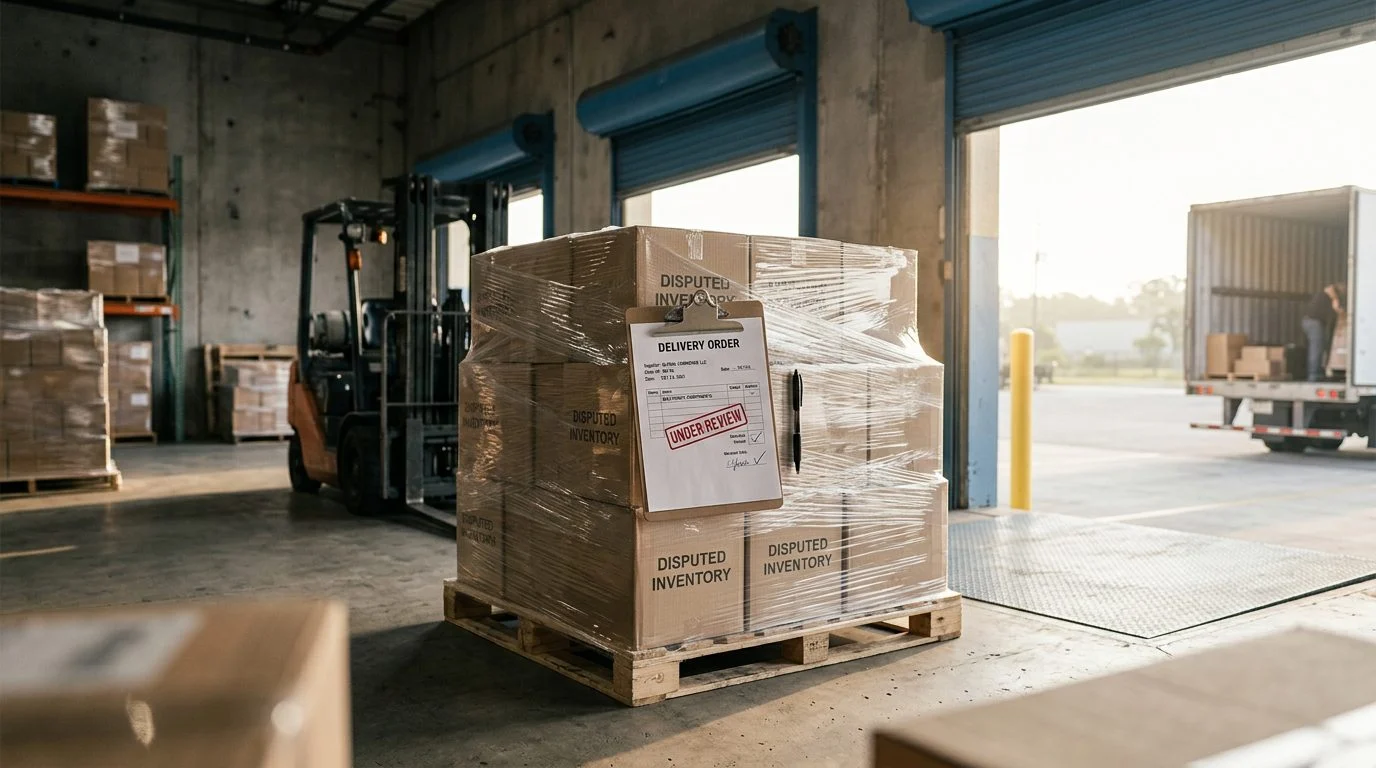
A buyer or supplier outside the United States owes your business money, or sent goods that don’t match the contract. Suing may be the way forward. But three hurdles come first, and each one can slow a case or limit what you can collect. This guide explains them in plain terms.
What risks arise when suing a foreign buyer or supplier, including jurisdictional challenges, service of process abroad, and enforceability of a Florida judgment overseas?
The three main risks are whether a Florida court can hear the claim, whether the foreign party can be formally served in a way the court accepts, and whether a Florida judgment will be honored where the party’s money or property sits. Each one turns on facts you can gather now.
Jurisdiction. The foreign party may argue it has too little connection to Florida, so the court lacks personal jurisdiction. Florida law reaches a person for any cause of action arising from running a business in Florida, or from breaching a contract by failing to perform acts the contract requires in Florida (§ 48.193).
Under the same statute, if the foreign party is subject to Florida jurisdiction under that section, it can be personally served outside Florida as provided in § 48.194, with the same effect as service inside Florida. Service can take time and add cost. A defect can give the other side a reason to challenge the case.
Enforcement. A Florida judgment does not automatically bind assets in another country. Florida’s collection rules reach property such as goods and stock in corporations (§ 56.061). If a debtor moves assets to block a creditor, Florida law can treat some transfers as fraudulent, including transfers made with actual intent to hinder, delay, or defraud (§ 726.105).
If a foreign buyer or supplier has left your business owed money or holding a bad shipment, you may have a claim worth reviewing, and we can talk it through with you. Talk it through with our team — we can walk you through how a situation like yours is usually handled and what your options are.
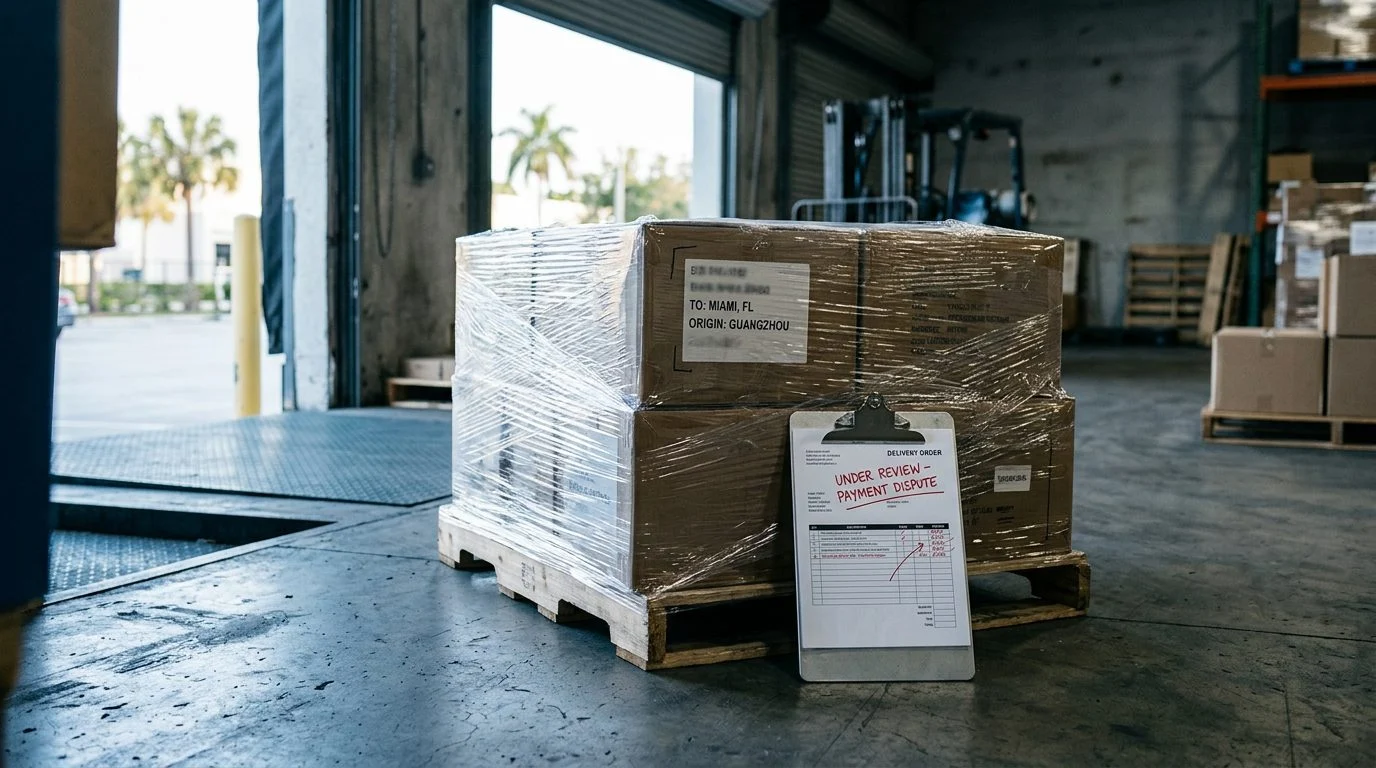
How Contract Terms Shape Where a Dispute Can Be Heard
Contract terms often decide where a dispute goes and which law applies. Check the forum, governing law, and arbitration clauses before anything else.
A forum selection clause names the court for disputes. A choice-of-law clause names the law that governs the contract. Florida allows parties to a contract involving at least $250,000 to agree that Florida law governs, to the extent the U.S. Constitution permits (§ 685.101).
An arbitration clause sends disputes to a private decision-maker. A written arbitration clause in a contract involving commerce is generally valid and enforceable (9 U.S.C. § 2). On motion of a party showing an arbitration agreement and alleging the other side’s refusal to arbitrate, a Florida court must order arbitration unless it finds no enforceable agreement (§ 682.03).
When a contract has no forum or law clause, the parties may first argue about where the case belongs. That early fight adds cost and delay.
Practical Steps That Reduce Risk Before Filing
Before filing, gather the full contract file, confirm the exact legal name of the foreign party, and map where its assets are. These three steps shape almost every other risk.
- Contract file. Collect purchase orders, invoices, shipping and customs records, payment history, emails, and any breach notices or demands.
- Correct defendant. Confirm the exact legal name and address. A parent company or affiliate may be the party that signed or owes the money.
- Assets. Note where bank accounts, property, and inventory sit. Collection only works if you can reach them.
- Deadlines. Florida sets time limits for contract claims in § 95.11. The limit can differ for written and oral contracts, so check early. Also check any notice period in the contract.
- Demand first. A written demand can sometimes move a payment dispute faster than a lawsuit, and it creates a clear record.
Florida Court Versus Arbitration: How the Choice Affects the Path to Recovery
A Florida lawsuit and arbitration can both resolve a cross-border contract dispute, but they start differently and differ in how a result is enforced. The contract’s clause often sets the route.
A lawsuit fits best when the contract points to a Florida court and the other side has assets you can reach in the United States. Arbitration may fit when the contract requires it. Under Fla. Stat. § 682.03, a party to a written arbitration agreement may move the court where the claim is pending for an order directing the parties to proceed to arbitration. Once a Florida court orders arbitration, it must stay any court proceeding that involves a claim subject to the arbitration, though it may limit the stay to a severable claim (§ 682.03). A court also may not refuse arbitration because the claim lacks merit.
Mediation is another option. The American Arbitration Association mediation resources state that mediation may be used for cross-border commercial disputes involving international contracts.
Ayala Law PA handles commercial and contract disputes and international trade litigation in Florida courts and arbitration. Which forum fits your contract is a question to talk through with the firm.
Talk Through Your Contract and Counterparty With Ayala Law PA
If a foreign buyer or supplier has left your business owed money or holding a bad shipment, you may have a claim worth reviewing. You don’t have to work out jurisdiction, service, and collection on your own.
You may be handling this for a company or partner, after a payment or shipment problem you didn’t choose. It’s reasonable to still be deciding what to do next.
Ayala Law PA focuses on business litigation, commercial litigation, contract disputes, shareholder disputes, construction litigation, real estate litigation, and international trade litigation. Eduardo A. Maura is the responsible attorney for this page. The firm’s office is at 1646 W Snow Ave in Tampa, Florida. It takes on matters for businesses in Tampa, Hillsborough County, Brandon, Riverview, Plant City, Temple Terrace, and the Tampa Bay area.
The firm will explain its fees before any work begins. Results turn on the facts of each matter, and no outcome can be promised. A matter may be referred to another lawyer or firm where appropriate.
Call (305) 570-2208 or contact the firm to walk through your contract, your counterparty, and the documents you have.
Frequently Asked Questions
Can a Florida court hear a lawsuit against a foreign company?
It may, for any cause of action arising from certain acts, including the company doing business in Florida or breaching a contract by failing to perform acts the contract required in Florida.
How long do I have to sue?
Florida sets time limits for contract claims, and the limit can differ for written and oral contracts. Check early.



