

An Incoterms dispute over risk of loss usually comes down to one question. At what point did the goods pass from the seller’s risk to the buyer’s? The answer depends on the Incoterm the parties chose and the place named with it. Under the Incoterms 2020 rules, that point can be the seller’s loading dock, the port of shipment or the buyer’s destination.
This guide walks through the common terms, where disputes start, and why the signed contract controls the result. Ayala Law PA focuses on business litigation, including international trade litigation in Florida courts and arbitration. Eduardo A. Maura is responsible for this page. Ayala Law PA’s only office is at 1646 W Snow Ave, Tampa, Florida.
What Incoterms Are and What They Cover
Incoterms are standard trade terms published by the International Chamber of Commerce, and the 2020 edition is the current version.
Each term pairs a short code, such as FOB or DDP, with a named place. The term sets who arranges and pays for each delivery step. It also sets the point where risk of loss passes from seller to buyer.
Incoterms do not decide who owns the goods, what the price is, or what remedy applies when a party breaks the contract. The sales contract and the applicable law handle those questions. That split matters. Many buyers treat the trade term as the whole deal. It is only one part of it.
Which state’s law governs a deal can depend on the deal’s ties to Florida. Fla. Stat. § 671.105 lets parties agree that Florida law or another nation’s law governs when a deal has a reasonable relation to both.
Not sure what your next step is?
Talk it through with our team — we can walk you through how a situation like yours is usually handled and what your options are.
How Risk Transfers Under FOB, CIF and EXW
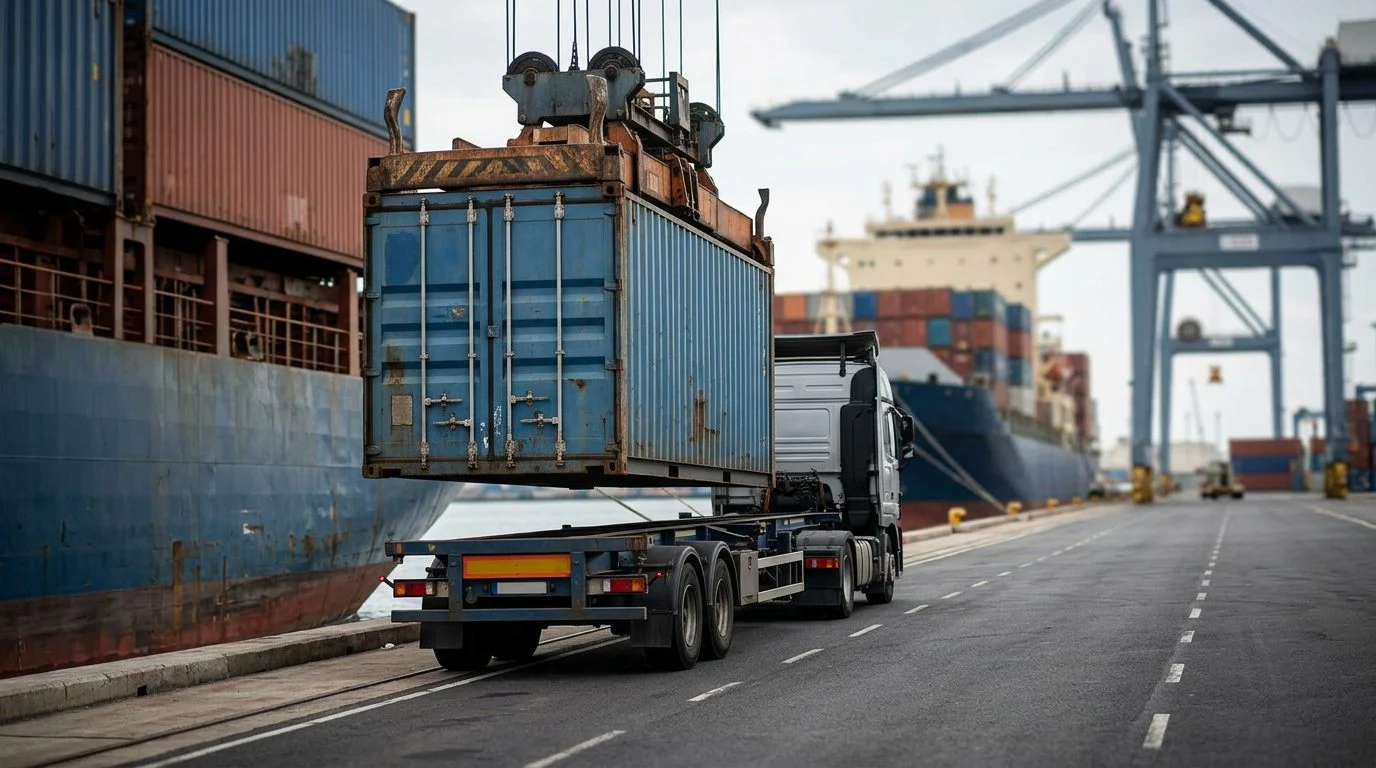
Under EXW, risk passes when goods are made available at the seller’s premises. Under FOB and CIF, risk passes when goods are loaded on board at the named port.
EXW (Ex Works) places the most risk on the buyer. The seller makes goods available at its own premises. The buyer then arranges pickup, transport and export steps, and carries the risk from that point on.
Shipping terms frequently come up in international trade disputes, so it helps to have the signed contract, purchase orders, invoices and shipping documents on hand when you reach out to discuss your matter. The seller delivers once the goods are on board. After that, the buyer carries any loss, even though the seller prepared and loaded the cargo.
CIF (Cost, Insurance and Freight) adds cost to the seller’s side. The seller pays freight and minimum insurance to the destination port. Risk still passes when the goods are loaded at shipment. The buyer can face a transit loss the seller already paid to insure and ship.
Insurance is a common trap. Under CIF, the seller must buy only minimum cover. A buyer should not assume that cover protects the full value of the goods. Buyers who need broader protection usually arrange their own cover.
How DAP and DDP Shift Responsibility to the Seller
Under DAP and DDP, the seller keeps the risk until the goods reach the named destination. The named place matters more than the word “delivered.”
DAP (Delivered at Place) ends the seller’s risk when goods are placed at the named destination, ready for unloading. The buyer handles unloading and import clearance.
DDP (Delivered Duty Paid) carries the seller’s responsibility further. The seller bears the risk through delivery at the named destination. That includes import clearance and duties under the rule’s terms.
Buyers often assume the seller covers all transit loss under these terms. That assumption leads to claims. If goods are damaged before they reach the named place, the seller usually bears that loss. If the damage happens after delivery, the buyer usually does.
Comparing EXW, CIF and DDP: Where Each Term Places the Risk
EXW puts the most transit risk on the buyer, CIF moves risk at loading, and DDP keeps risk with the seller until delivery at the named place.
| Term | Risk passes to buyer | Main carriage arranged by | Import clearance by |
|---|---|---|---|
| EXW | At seller’s premises, when goods are made available | Buyer | Buyer |
| FOB | When goods are on board at the port of shipment | Buyer | Buyer |
| CIF | When goods are on board at the port of shipment | Seller, to destination port | Buyer |
| DAP | At named destination, ready for unloading | Seller | Buyer |
| DDP | At named destination, after delivery | Seller | Seller |
The right term for a deal depends on who controls the carrier, the insurance and customs. The table shows only how the Incoterm allocates risk and cost. The signed contract sets what each party must actually do.
Where Loss and Damage Disputes Usually Start
Most disputes start when the parties disagree about when the damage happened and who held the goods at that time.
Common triggers include goods lost between loading and unloading, damage during carriage, and delays that spoil goods or cost a sale window.
Documents often decide these fights. Bills of lading, delivery receipts, inspection reports, packing lists and insurance certificates show what happened and when. Keep them together and in order.
Timing also matters. Under Fla. Stat. § 672.607, where a tender has been accepted, a buyer must notify the seller of a breach within a reasonable time after he or she discovers or should have discovered it, or be barred from any remedy. Under Fla. Stat. § 672.606, acceptance can occur after a reasonable chance to inspect. Under Fla. Stat. § 672.607(4), once goods have been accepted, the burden is on the buyer to establish any breach with respect to them. These rules apply when Florida’s sale-of-goods chapter governs the deal.
Common Incoterm Mistakes That Lead to Disputes
The most common mistakes are missing edition details, vague named places and terms that clash with the rest of the deal.
- No edition stated. The contract should name Incoterms 2020. The rules changed between editions, so an unstated version invites argument.
- Vague named place. “FOB” with no port, or “DAP” with no address, leaves the risk point unclear.
- Mismatch with other papers. A purchase order or letter of credit that describes different terms can conflict with the sales contract.
- Wrong assumptions. Many parties assume the trade term sets insurance, carrier or customs duties. Check the full contract.
Form matters too. Under Fla. Stat. § 672.201, a contract for the sale of goods for the price of $500 or more generally cannot be enforced by action or defense without a record sufficient to indicate a contract for sale, signed by the party against whom enforcement is sought or by that party’s authorized agent or broker, and it is not enforceable beyond the quantity of goods shown in that record. The section also lets an otherwise valid contract be enforced without such a record when the goods are specially manufactured for the buyer, are not suitable for sale to others in the ordinary course of the seller’s business, and the seller, before receiving notice of repudiation and under circumstances that reasonably indicate the goods are for the buyer, has made either a substantial beginning on their manufacture or commitments for their procurement; when the party admits the contract in court (only up to the quantity admitted); or for goods that have been paid for and accepted or received and accepted. Between merchants, if within a reasonable time a written confirmation sufficient against the sender is received and the receiver has reason to know its contents, it can satisfy that rule unless the receiver objects in writing within 10 days after receiving it.
Not sure what your next step is?
Talk it through with our team — we can walk you through how a situation like yours is usually handled and what your options are.
Who Decides: The Contract Text, Governing Law and Forum
The signed contract text decides how an Incoterm applies. Its governing law and forum clauses can change where a claim is heard and which law applies.
The written contract, including any amendments, controls the deal. A trade term is one part of that contract, not a separate rulebook.
Venue is another question. Fla. Stat. § 47.011 says actions go in the county where the defendant resides, where the cause of action accrued, or where the property is located. That section does not apply to actions against nonresidents.
Time limits are also a factor. Fla. Stat. § 95.11 sets deadlines by type of claim, including contracts founded on a written instrument and those that are not. Read our statute of limitations guide for Florida contract claims before you wait on a claim.
Finally, a buyer usually cannot recover in unjust enrichment when an express contract covers the same subject.
When a Cross-Border Loss Claim Reaches a Florida Court or Arbitration
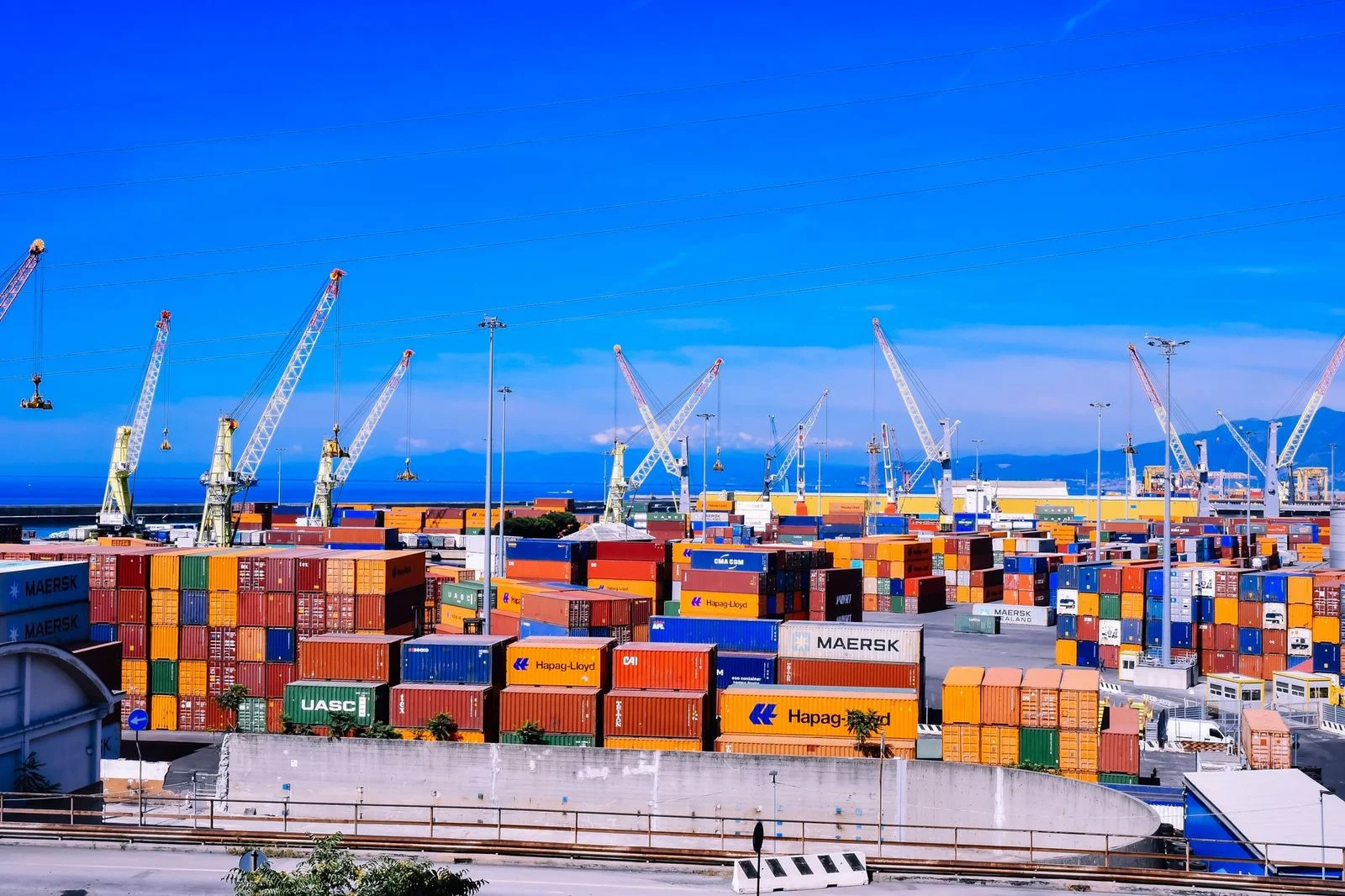
A cross-border loss claim can proceed in a Florida court or in arbitration. Which one applies depends on the contract and the parties’ ties to Florida.
Florida’s long-arm statute reaches a person who breaches a Florida contract by failing to perform acts the contract required in Florida. Florida’s long-arm statute, Fla. Stat. § 48.193, sets out when a person outside the state may be subject to the jurisdiction of Florida courts. Serving a foreign party often takes extra formal steps, so plan for them early.
Arbitration is another route. Under Fla. Stat. § 682.02, a written arbitration agreement is valid and enforceable, except on grounds that exist for revoking any contract. Under Fla. Stat. § 682.02, an agreement contained in a record to submit existing or later controversies to arbitration is valid, enforceable, and irrevocable, except upon a ground that exists at law or in equity for revoking a contract.
A clause can still be challenged.
Ayala Law PA represents businesses in Hillsborough County and the Tampa Bay area in Florida courts and arbitration. For the broader practice, see our Florida international trade litigation page.
Frequently asked questions
Who bears the risk of loss when goods are damaged in transit?
The named Incoterm and its named place decide who bears the loss. Check the full contract, not only the trade term.
Does the Incoterm control who owns the goods or the price?
No. Incoterms do not decide ownership, price or remedies for breach. The contract and applicable law do.
How long do I have to sue over an international sale in Florida?
Florida’s limitation periods in § 95.11 depend on the type of claim. The category of your claim matters.
Do I need a signed writing for a sale over $500?
Generally, yes. Under § 672.201, a contract for the sale of goods for $500 or more is not enforceable unless there is a record sufficient to show a contract was made, signed by the party against whom enforcement is sought, except as otherwise provided in the section, such as for specially manufactured goods, admitted contracts, or goods paid for and accepted.
If goods were lost or damaged mid-voyage, and you must decide whether to pursue the seller, the buyer or the carrier, contact Ayala Law PA to have your Incoterm and contract terms reviewed. Call (305) 570-2208 or use the contact form.



