
Real estate litigation covers lawsuits and arbitrations over rights in land and commercial buildings. For Plant City business owners, that can mean a stalled sale, a lease that has turned sour, or a fight over an easement or boundary. Ayala Law PA serves clients in Plant City and Hillsborough County from its only office, which is in Tampa. This page explains how these disputes usually work and what to protect before you call.
What Real Estate Litigation Covers for Plant City Businesses
Real estate litigation is a dispute over land, buildings, or the contracts that transfer or use them. These cases often involve purchase contracts, title, easements, boundaries and leases. Many disputes start as a disagreement that talks can fix. Others need a judge or arbitrator to decide because one side refuses to perform or the facts are contested. If the other side won’t negotiate in good faith, a formal case may be the only path forward. Ayala Law PA focuses on business and commercial real estate disputes. You can read more on our business real estate disputes resource. The firm also handles business litigation, commercial litigation and contract disputes.
If a sale, lease or easement fight has your Plant City property stuck, reach out to Ayala Law PA so our team can review your paperwork with you. Talk it through with our team — we can walk you through how a situation like yours is usually handled and what your options are.

Common Commercial Property Disputes in Plant City and Eastern Hillsborough County
The most common matters involve sales, leases, access rights, boundaries and title. Purchase and sale contracts lead to fights when a buyer or seller defaults, a financing contingency falls through, an inspection uncovers problems, or a closing fails. Each side often says the other walked away first. The contract language usually shapes what happens next.
Commercial leases create disputes over unpaid rent, who must make repairs, and whether a tenant can exit early. Written lease terms and notices often decide these cases.
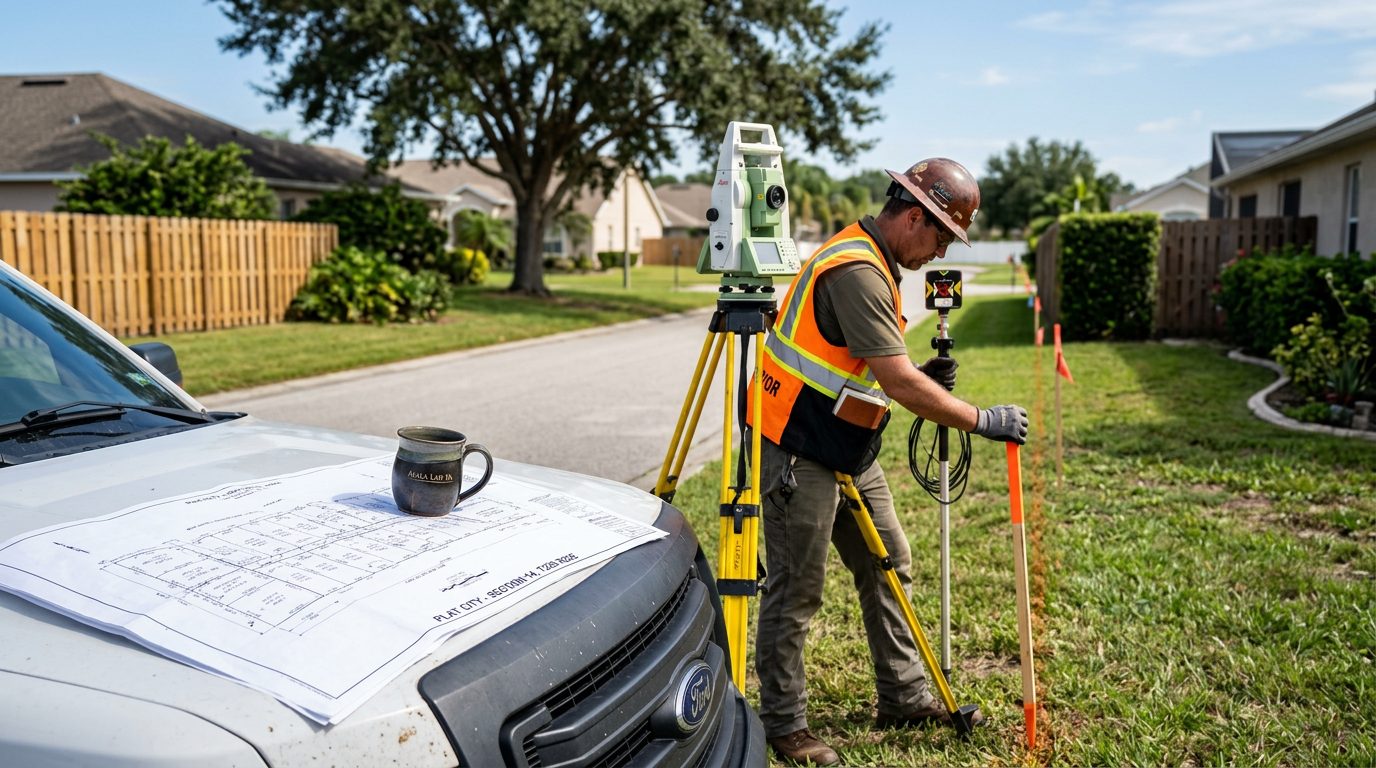
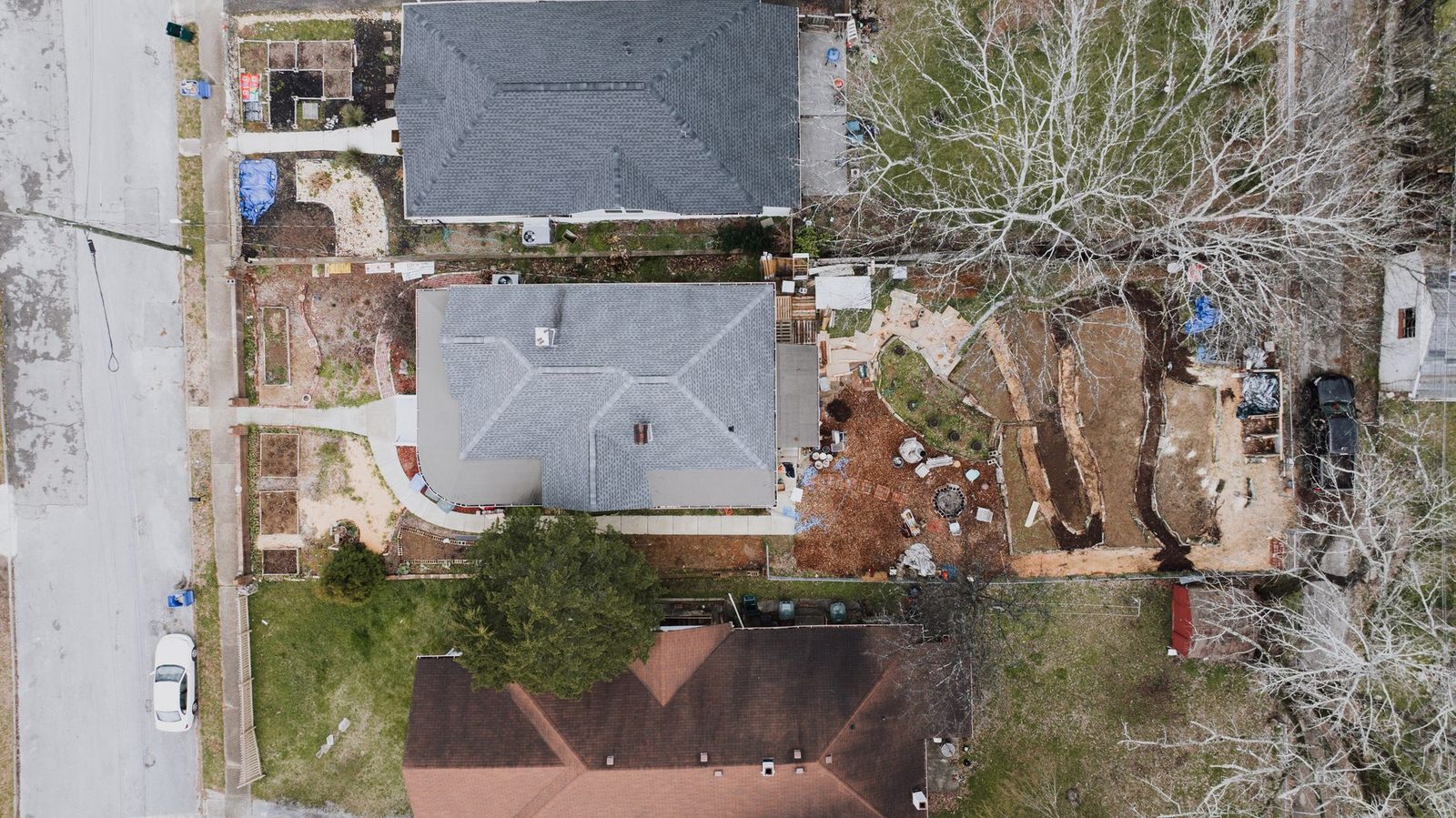
Easements, access and boundaries deserve close attention. Some tracts in eastern Hillsborough County mix commercial frontage with farmland. That mix can make shared driveways, drainage paths and survey lines harder to sort out. A survey conflict over a fence line or drainage route can grow into a formal dispute.
Title defects often surface during a sale, a refinance or a title search. A quiet title action asks a court to settle who holds title to the property.
How a Real Estate Dispute Moves Through Hillsborough County Courts
A real estate dispute usually moves from a written demand to negotiation, then to a filed case or arbitration. The demand letter states your claim and the response you expect. If talks fail, the next step depends on the contract and the type of claim. Florida’s venue statute says actions must be brought where the defendant resides, where the cause of action accrued, or where the property is located. For a Hillsborough County property, the case may proceed in a Hillsborough County court.
Many money damages cases also go to mediation. Under the court-ordered mediation statute, a court must refer a civil action for monetary damages to mediation when one party asks, unless a listed exception applies. One exception is an agreement to binding arbitration.
If your contract has an arbitration clause, the court may enforce it. The arbitration statute says a written agreement to arbitrate is valid, enforceable and irrevocable, except on grounds that exist for revoking any contract. How long a case takes depends on the claims, the court’s calendar and whether the parties settle. No timeline or result can be promised at the start.
Deadlines and Records to Protect Before You Call
Waiting too long can cost you a claim, so check deadlines early. Florida’s main limitations statute, § 95.11, sets different time limits for different types of claims. Claims based on an oral agreement and claims founded on fraud each carry a four-year period under that statute. Written contract claims fall under a different period in the same statute, so identify the type of claim early.
Gather these records before you call:
- The signed contract, all amendments and any side letters
- The purchase agreement and closing statement
- The title commitment and any survey
- Leases, rent ledgers and landlord or tenant notices
- Written correspondence, texts and emails about the dispute
Keep originals in their current form. Don’t edit or rewrite them.
Avoid self-help steps while a dispute is open. Changing locks, shutting off utilities or removing a tenant’s property can create new claims against you. Under § 83.06, a landlord may demand double the monthly rent when a tenant refuses to give up possession at the end of the lease. Florida’s rules for nonresidential tenancies, which cover commercial leases, appear in § 83.001. Ask before you act.
Working With Ayala Law PA on a Plant City Property Matter
Ayala Law PA is based in Tampa at 1646 W Snow Ave. The firm serves Plant City and Hillsborough County clients from that single office. It does not maintain an office in Plant City or elsewhere in Hillsborough County. Eduardo A. Maura is the attorney on these matters, and support staff help with case administration.
A case evaluation is the first review of your documents and facts. It helps you understand where your dispute stands. It does not predict how the matter will end. You can reach Ayala Law PA by phone at (305) 570-2208 or through the contact page.
Frequently asked questions
Is real estate litigation a separate area of law?
Yes. It covers disputes over land, buildings, and the contracts and leases tied to them.
Where must a Plant City property lawsuit be filed?
Florida’s venue statute allows filing where the defendant resides, where the claim arose, or where the property is located.
Can a commercial landlord lock out a tenant who won’t leave?
Lockouts and utility shutoffs can create legal problems, so ask before acting.
Related Pages for Tampa Bay Business Owners
Our site also covers construction litigation, contract disputes, shareholder disputes and commercial litigation. These matters often arise alongside a property deal, such as a lien on a commercial building or an owner dispute over the entity that holds the land. If your deal has already gone sideways, bring your contract and closing file to the first conversation with our team.



