
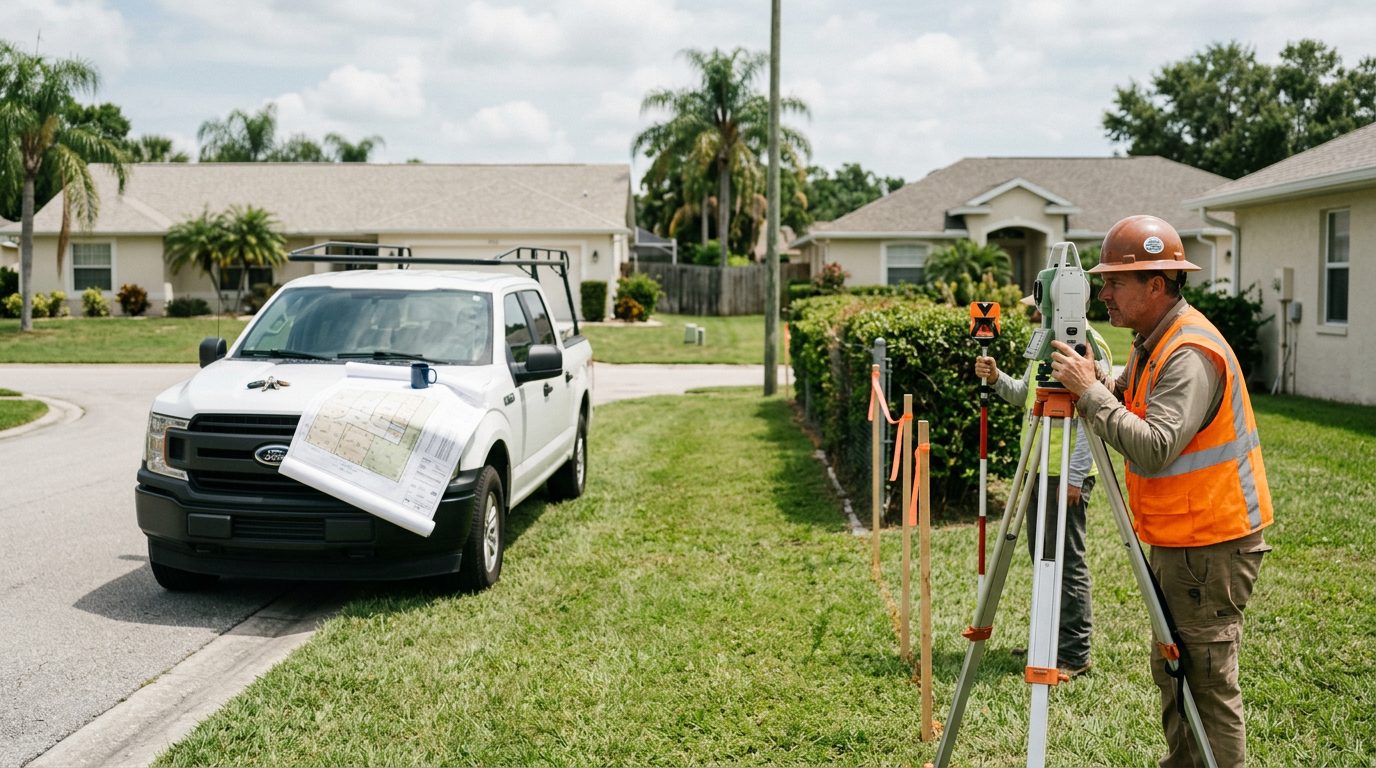
Real estate litigation in Florida is a court or arbitration dispute over rights in land and buildings. For businesses, it usually means a fight over a commercial lease, a purchase contract, a title problem or a construction lien. This guide explains how these disputes arise and how Florida cases move, so you can understand your position before you choose a next step. Ayala Law PA limits its practice to business and commercial litigation, including real estate litigation. Clients in Tampa Bay and Hillsborough County are served from the firm’s only office, at 1646 W Snow Ave in Tampa.
Real Estate Litigation in Florida Covers Disputes Over Property Rights
Real estate litigation is a lawsuit or arbitration over who holds which rights in a property. Those rights often involve commercial leases, purchase and sale agreements, title, boundaries, easements and liens. A question a closing can answer is a transaction issue. A dispute that one side refuses to resolve may need a lawsuit or a formal arbitration demand. In practice, the key question is often which document controls. A signed lease, an amendment or an email exchange can each shape what a party owes. A court looks at the written record and the facts around it. The firm’s work centers on business and commercial property, not residential or estate matters, so this guide stays on those issues.
Talk it through with our team — we can walk you through how a situation like yours is usually handled and what your options are.

Common Real Estate Disputes Florida Businesses Bring to Court
Most business property disputes fall into four groups. The first is the commercial lease. Under § 83.001, this part applies to nonresidential tenancies and all tenancies not governed by part II of this chapter. Typical fights involve unpaid rent, disputed common-area charges and who must pay for repairs.
The second is the purchase and sale contract. Disputes often center on a failed closing, disputed earnest money or a claim that one side misrepresented the property. Florida law sets filing deadlines for different types of civil actions, such as actions on a judgment or on a written contract (§ 95.11).
The third is title, boundary and easement trouble. These issues affect how a business can use or reach a site. A boundary question can change where a parking area or loading dock may sit.
The fourth is construction-related property trouble. This includes mechanic’s liens and lien foreclosure that arise from contractor and subcontractor work.
How a Real Estate Dispute Moves Through Florida Courts
A dispute usually moves from a written demand to negotiation, then to a filed complaint if talks stall. After filing, the other side is formally served. Both sides then exchange documents in discovery. Motions can narrow or end parts of a case before trial, and each step adds time and cost.
Florida courts also push many civil cases toward mediation. A court must refer a filed damages case to mediation if one party asks, subject to listed exceptions (§ 44.102). Exceptions include landlord and tenant disputes without a personal injury claim and some debt collection actions.
Venue is a separate question. Actions must be brought in the county where the defendant resides, where the cause of action accrued, or where the property in litigation is located (§ 47.011). For a dispute over a Hillsborough County property, that property’s county is one place the case can be filed.
Some real estate contracts send disputes to arbitration instead. Florida enforces a written agreement to arbitrate (§ 682.02). The federal arbitration statute provides that a written provision in any maritime transaction or a contract evidencing a transaction involving commerce to settle by arbitration a controversy later arising out of that contract or transaction, or out of the refusal to perform all or part of it, and a written agreement to submit an existing controversy of that kind to arbitration, shall be valid, irrevocable, and enforceable, except on grounds that exist at law or in equity for revoking any contract or as otherwise provided in chapter 4. If one side sues despite an arbitration clause, the court stays the lawsuit while it decides a motion to compel arbitration (§ 682.03).
Protecting Your Property Interest While a Dispute Is Pending
Acting early usually matters more than waiting to see how the other side responds. Keep every lease, notice, email, text and payment record in one place. Also keep records of repair requests and conversations with the other side. A written timeline shows when each event happened.
Florida ties filing deadlines to when a claim starts. A cause of action accrues when the last element of the cause of action occurs (§ 95.031). Missing a deadline can end a claim, so track dates from the first problem.
Judgments can also reach real property. A judgment becomes a lien on real property once a certified copy is recorded in that county (§ 55.10). A notice of lis pendens is another tool. It tells buyers and lenders that a pending lawsuit affects title to the property.
Three common mistakes can hurt a position. Withholding rent without reviewing the lease is one. Walking away from a property without a plan is another. Signing new agreements without checking how they affect existing rights is the third.
Commercial Evictions and Lease Exits as a Litigation Issue
A commercial tenant who stays after the lease ends can trigger a double-rent claim. Florida law lets a landlord demand double the monthly rent when a tenant refuses to give up possession at the end of the lease (§ 83.06). The landlord may recover that amount at the end of each month. Under the same statute, rent contracts bear interest from the time the rent becomes due.
Landlords and tenants often ask how long a commercial eviction takes. The answer depends on the case posture, the notices given and whether the tenant contests possession. Early exit questions usually turn on notice clauses, default terms and any release the landlord may agree to. Read the lease before you act, because those terms can decide the question.
How Ayala Law Handles Real Estate Disputes for Tampa Bay Clients
Eduardo A. Maura is the lawyer responsible for this page. The firm limits its practice to business and commercial litigation, including real estate disputes. Our team includes support staff who help organize documents, deadlines and correspondence for each matter. Business owners often bring a mix of issues, such as a lease dispute that also involves a lien. Reviewing those issues together helps show which deadlines and remedies matter first.
Clients in Tampa, Brandon, Riverview, Plant City, Temple Terrace and across Hillsborough County are served from the firm’s only office, at 1646 W Snow Ave in Tampa. The firm has its office in Tampa or elsewhere in the Tampa Bay area.
The firm does not promise any particular outcome. Each dispute depends on its own contracts, facts and records. If a matter needs a lawyer outside this practice, the firm will say so and may refer it to another lawyer or firm.
Not sure what your next step is?
Talk it through with our team — we can walk you through how a situation like yours is usually handled and what your options are.
What to Gather Before Your Case Evaluation
Gather core documents before you contact the firm. Start with the lease or purchase agreement, plus every amendment, notice and letter exchanged. Add payment records, title reports, surveys and any lien filings you have received. Then write a short timeline of key events with dates. That timeline helps the firm see which issues matter most in a case evaluation.
Common Questions
Can a landlord recover double rent from a commercial tenant who stays too long?
Florida law allows a landlord to demand double the monthly rent when a tenant refuses to give up possession at the end of the lease. Whether that applies depends on your lease terms.
How long do I have to sue?
Deadlines depend on the type of claim, so there is no single number. A cause of action accrues when its last element occurs, which sets when the clock starts.
Is a real estate contract dispute decided in court or in arbitration?
It depends on the contract. A valid written arbitration agreement is enforceable in Florida, and a court stays a lawsuit while it decides a motion to compel arbitration.
If a stalled closing, an unpaid commercial lease or a recorded lien has you weighing your next step, call (305) 570-2208 or send a request through our contact page.



