
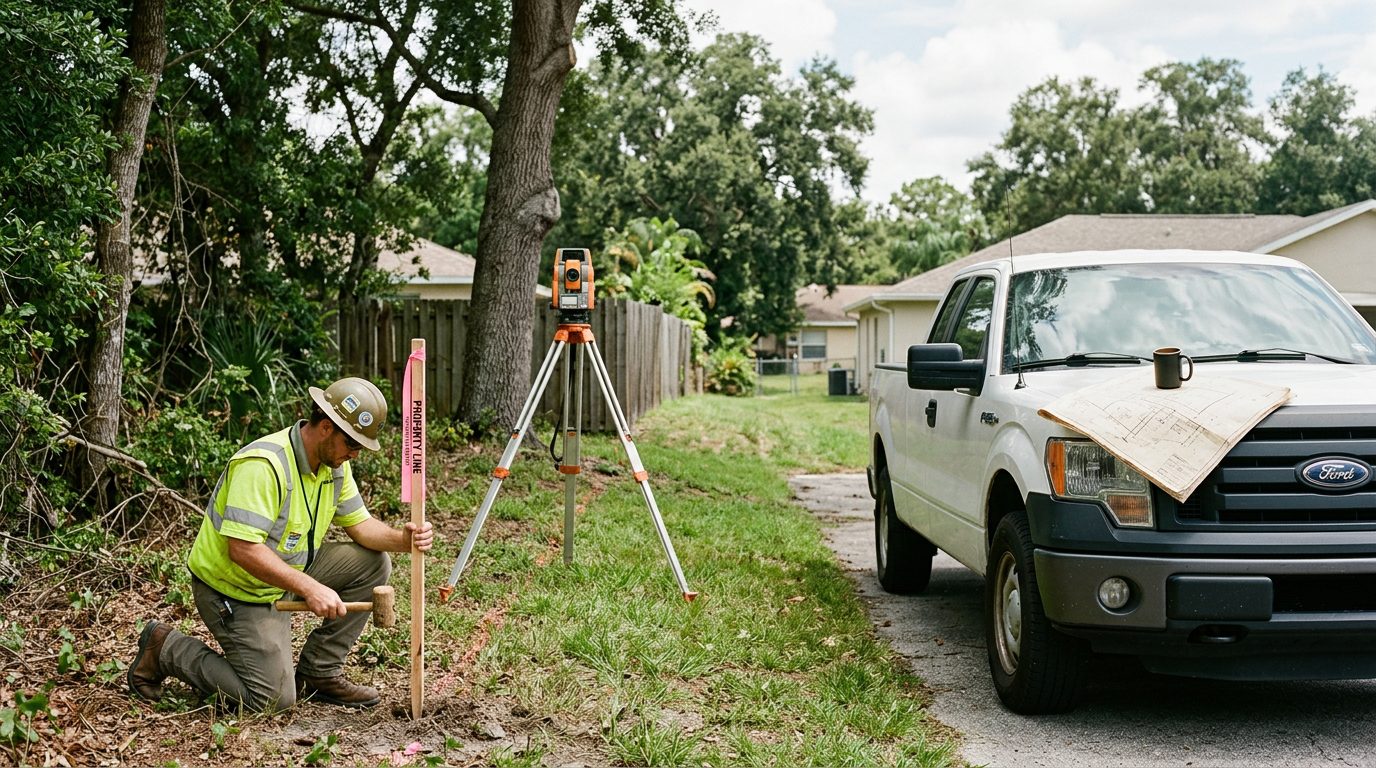
Real estate litigation in Tampa is a court case or arbitration over property, a contract to buy or sell it, or the duties that come with commercial real estate. For a business owner, it often starts with a failed closing, a title problem, or a dispute with a partner about a building. Business disputes can involve many different legal issues, and the right approach depends on the facts of each matter.
What Real Estate Litigation Means for Tampa Business Owners
Real estate litigation is a legal dispute over land, buildings, or the contracts that transfer or use them. It can go to court or to arbitration, depending on the agreement.
Business owners in Tampa and Hillsborough County meet these issues in ordinary deals. A company might buy a warehouse, sell a parcel, develop a site, lease space, or borrow against a building. Any of these deals can fall apart when terms are vague or one side stops performing.
Many disagreements end in talks, and negotiation can settle a dispute without any filing. A dispute turns into litigation when one side files a lawsuit or demands arbitration the contract requires. Which path fits depends on the documents and what each side will accept.
If a stalled closing or a disputed easement has your business at a standstill, reach out to Ayala Law PA and talk through your documents. Talk it through with our team — we can walk you through how a situation like yours is usually handled and what your options are.
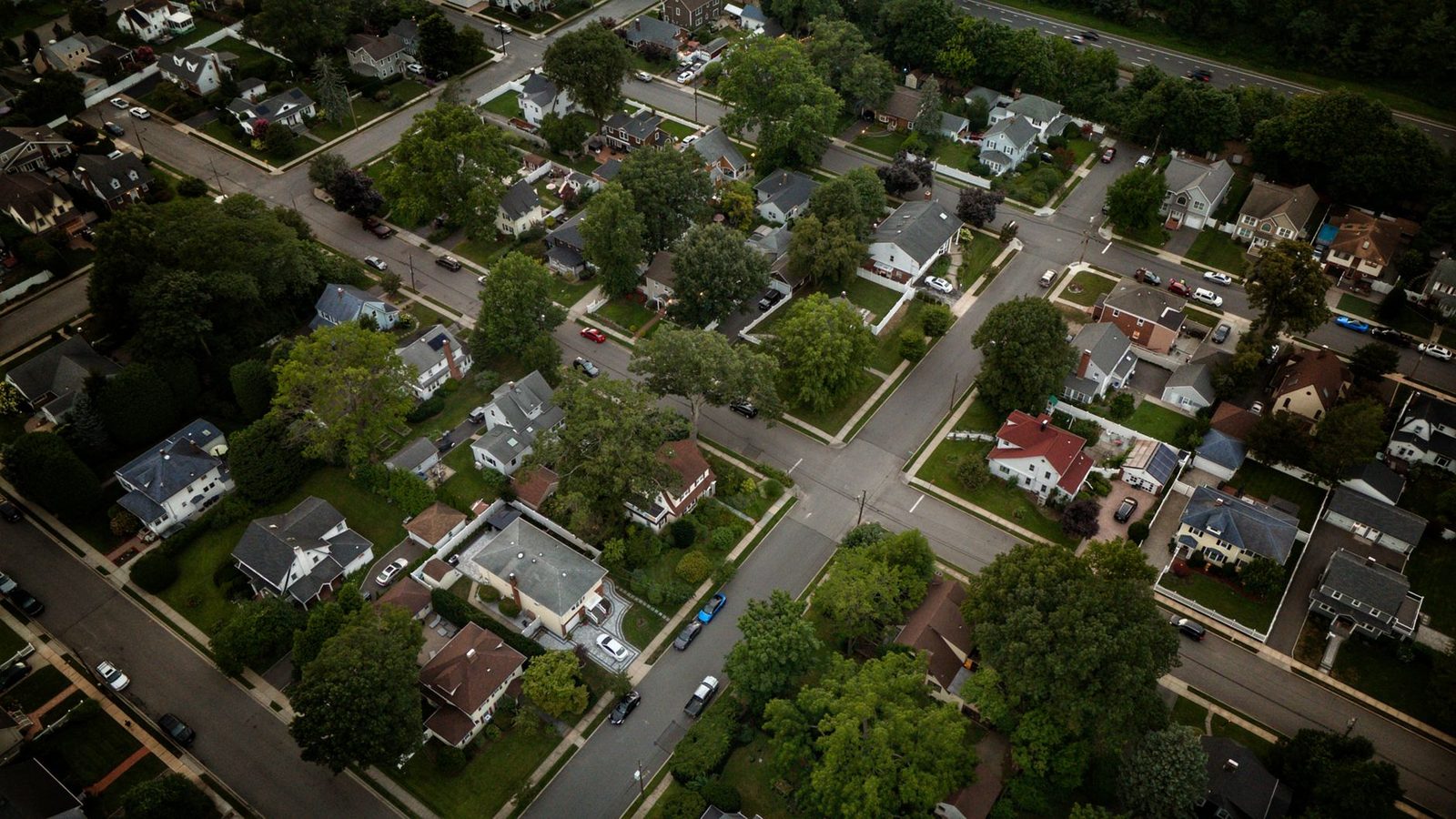
Common Real Estate Disputes in Tampa and Hillsborough County
The most common disputes involve deals that fell apart, unclear title, and conflicts between co-owners.
A breached purchase and sale agreement is a frequent starting point. One side may refuse to close, and the parties may fight over earnest money, the deposit a buyer puts down to show commitment. The contract’s conditions and default terms usually decide who has the stronger position.
Title and boundary problems form another group. A title commitment can list a lien or easement the buyer didn’t expect, and a survey can show a fence or building over a property line. Access disputes matter when a business relies on a shared drive or loading area.
A missing signature or witness can become a dispute of its own.
Co-owners, developers, and investors also clash over sales, refinancing, and improvements. Growth in Brandon, Riverview, and Plant City can bring new boundary, easement, and access questions.
Unpaid contractors and suppliers can also cloud a commercial property with a construction lien. The Pinellas County lien guidance explains Notice of Commencement filings and lien releases, the documents that matter when work goes unpaid.
How Florida Courts and Arbitration Handle Property Disputes
Where a case is filed is often the first question in a property dispute.
Under Fla. Stat. § 47.011, actions must be brought only in the county where the defendant resides, where the cause of action accrued, or where the property in litigation is located. The statute does not apply to suits against nonresidents. For a Hillsborough County parcel, the property’s location is a key fact.
Arbitration follows different rules. Under Fla. Stat. § 682.02, a written agreement to arbitrate is valid, enforceable, and irrevocable, except on grounds that exist to revoke any contract. The court decides whether an agreement to arbitrate exists. If the court orders arbitration, a related court case is stayed, meaning it is paused, under Fla. Stat. § 682.03.
Mediation often comes before trial. Under Fla. Stat. § 44.102, a court must send a filed money damages case to mediation when one party asks, unless an exception applies and the costs can be paid or divided.
How a case moves depends on the contract and the facts.
Deadlines and Records to Preserve Before Calling a Lawyer
Florida sets time limits for filing suit, and the clock can start earlier than many owners expect.
Deadlines for filing a contract claim in Florida depend on the type of agreement involved. Written contracts are subject to a separate limitations period under Fla. Stat. § 95.11, so the signed document matters. Under Fla. Stat. § 95.11, a legal or equitable action founded on fraud is subject to a four-year limitations period.
Construction claims follow their own clock. Under the same statute, an action founded on the design, planning, or construction of an improvement to real property generally has four years. That time runs from the earliest certificate of occupancy, certificate of completion, or abandonment date. For latent defects, the time runs from when the defect is discovered or should have been discovered. Under Fla. Stat. § 95.11, the 7-year outer limit runs from the earliest certificate of occupancy, certificate of completion, or abandonment date, not from the date a defect is discovered.
A claim’s start date depends on when its last element occurs, under Fla. Stat. § 95.031. A contract clause that sets a shorter time to sue than the statute allows is void, under Fla. Stat. § 95.03.
Gather these records early: purchase agreements and amendments, closing statements, title commitments, survey reports, lien notices and releases, and written messages between the parties. Keep originals, don’t edit or discard files, and avoid changing the property while a dispute is pending. Deadlines vary by claim, so have the documents reviewed promptly.
Working With a Tampa Firm on Tampa Real Estate Matters
Ayala Law PA handles real estate litigation for clients in Tampa, Brandon, Riverview, Plant City, and Temple Terrace from its only office, at 1646 W Snow Ave in Tampa.
The firm has its office in Tampa or elsewhere in Hillsborough County. Clients in those communities work with the Tampa office.
Eduardo A. Maura is the lawyer responsible for the content of this page. The firm’s support staff assists with client matters.
The firm focuses on business and commercial litigation, including real estate disputes between companies, owners, and investors. Where your property sits still shapes where a case can be filed, so the venue rules above apply wherever your business is based. Gathering your records in one place before you reach out will make the first conversation more useful.
Preparing for a Case Evaluation With Ayala Law PA
A case evaluation is a discussion of your documents, your facts, and the possible paths forward. It is not a promise of any result.
Bring the signed contract and amendments, the property description, closing or title papers, letters and emails between the parties, and a short timeline. List each date, who did what, and what each side said or promised. A clear timeline shows when the claim arose, which matters for the deadline questions above.
Fees and costs are part of that discussion. Rule 4-1.5(e) of The Florida Bar’s rules calls for the basis or rate of the fee and costs to be communicated to the client, preferably in writing, before or within a reasonable time after the representation begins. Ask for that written explanation before you commit to anything.
Frequently asked questions
Does Ayala Law PA offer real estate litigation Tampa clients can use?
Yes, for Tampa-area matters the firm works from its only office, at 1646 W Snow Ave in Tampa.
Does Ayala Law PA have a Tampa office?
No. The firm’s only office is in Tampa, and Tampa-area clients are served from there.
How long do I have to sue over an unwritten contract in Florida?
For an oral or unwritten contract, including a sale of goods, the limitations statute allows four years. Written contracts can follow a different period, so review the document.
Can a contract shorten the time to sue?
Generally, Florida law treats a contract clause that shortens the limitations period as void under Fla. Stat. § 95.03, but sales-of-goods contracts are an exception. Under Fla. Stat. § 672.725(1), the parties to such a contract may reduce the period to not less than one year.
If a stalled closing or a disputed easement has your business at a standstill, reach out to Ayala Law PA to book a case evaluation.



