
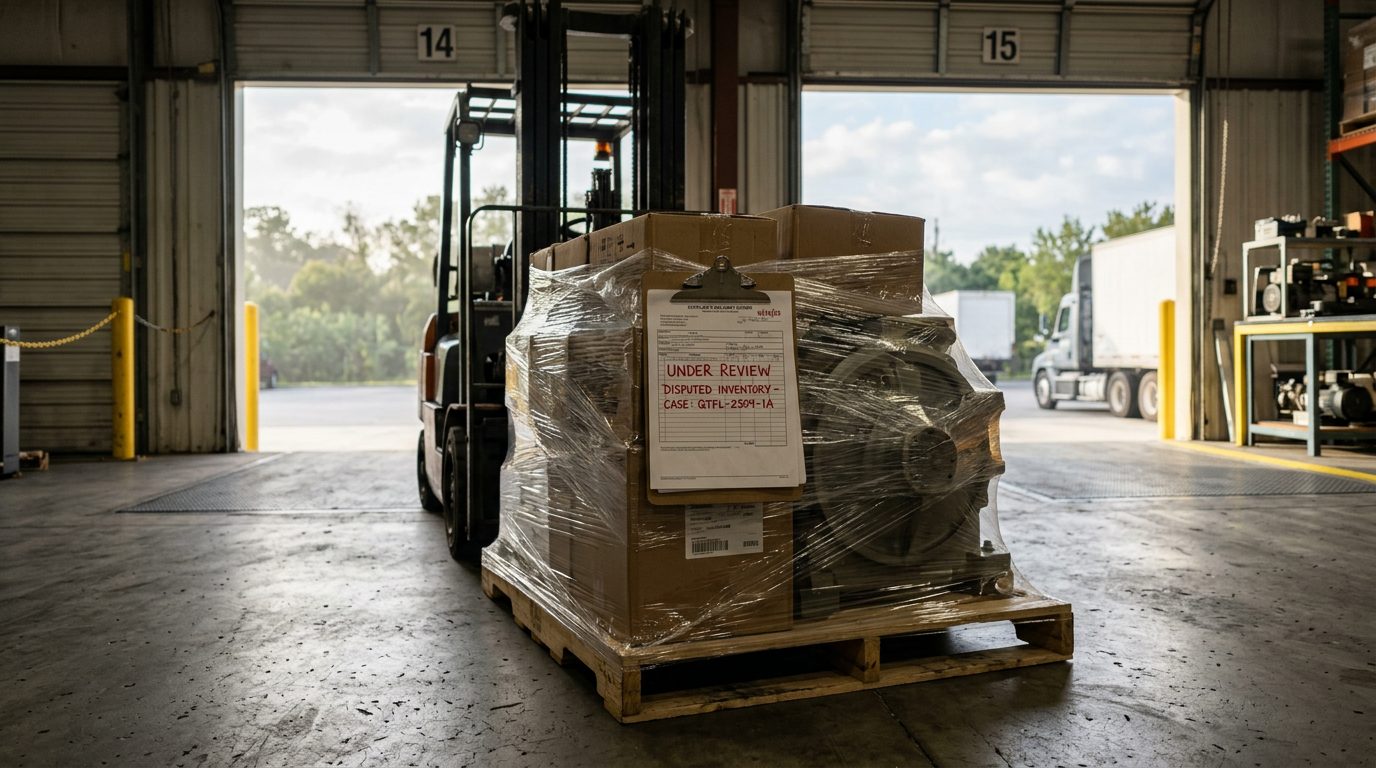
For commercial property in Florida, a quiet title lawsuit asks a court to decide who holds legal title and to clear competing or invalid claims from the public record. Businesses often need one when an old deed, lien, or easement claim blocks a sale, loan, lease, or development. This guide explains how the case works, what makes it harder, and how Ayala Law PA reviews these matters.
What a Quiet Title Lawsuit Is and When Businesses Need One
A quiet title lawsuit is a court case that asks a judge to confirm who owns a property and to remove claims that should not stand. Lawyers often call the problem a “cloud on title,” meaning a recorded document or unclear history makes ownership hard to prove.
A cloud on title can make commercial property harder to sell, lease, or finance. Buyers, lenders, and title insurers usually want the record cleared before they move forward, even when the owner believes the claim is weak.
Common business triggers include:
- A prior owner’s defective deed or a gap in the chain of title.
- A forged or unrecorded document that appears in the records.
- A disputed boundary or access easement.
- An old claim that surfaces before a sale or refinancing.
- Conflicting entity records after a merger or dissolution.
These cases are filed in Florida circuit court, and the right county depends on the facts. Under Fla. Stat. § 47.011, actions must be brought in the county where the defendant resides, where the cause of action accrued, or where the property is located. The statute does not apply to actions against nonresidents, so venue needs a careful check.
If an old deed, lien, or easement claim is holding up a sale, loan, or lease for your business, our team can review the recorded documents with you at (305) 570-2208. Talk it through with our team — we can walk you through how a situation like yours is usually handled and what your options are.

What a Quiet Title Action Covers for Commercial Property
A commercial quiet title case usually targets recorded interests that make ownership uncertain. These often include competing ownership claims, defective deeds, stale liens, and recorded interests with no valid basis.
Commercial property adds layers that homes rarely have. The owner may be an LLC or corporation, a tenant may hold a recorded lease interest, and several parties may share parking or access rights.
Deed formalities matter. Under Fla. Stat. § 689.01, an interest in real property generally must be created or transferred by a signed writing, signed in the presence of two subscribing witnesses. The statute also says challenges based on fraud, forgery, or illegality remain open, even after recording.
Recorded judgments can cloud title too. Under Fla. Stat. § 55.10, a judgment becomes a lien on real property when a certified copy is recorded in the county. For copies first recorded on or after July 1, 1994, the lien runs for an initial period of 10 years. A quiet title judgment does not decide a separate contract or lease dispute, which may need its own claim.
Adverse Possession and the Seven-Year Question
Each adverse possession question depends on the specific facts of the property involved. Florida law sets a seven-year period of continuous possession for adverse possession claims, but the other requirements differ for claimants who hold color of title and those who do not, and a claimant without color of title must also file a return with the property appraiser and pay the property taxes (Fla. Stat. §§ 95.12, 95.16 and 95.18).
Adverse possession claims depend on facts. How a property has actually been used, and what documents exist, are often central facts in these disputes. A business should not assume a claim exists because someone has used a strip of land for years.
Quiet title and adverse possession are different. Adverse possession is one kind of claim to ownership. Quiet title is the court action often used to resolve that claim along with other competing claims. Fraud-based claims follow their own timing under Fla. Stat. § 95.11(3), which places actions founded on fraud within the four-year category. Timing should be checked against the specific claim.
How the Quiet Title Process Works, Step by Step
The process moves from record review to a court order that becomes part of the public record. Timing depends on how many parties are involved and whether anyone contests the claim.
- Title search and document review. The attorney traces the chain of title and reviews each recorded deed, lien, and judgment.
- Identify all parties. Anyone with a possible interest should be named, including people who are hard to locate. A missing party can weaken the final order.
- File and serve the complaint. The case is filed in the proper court, and named parties receive notice as the court rules require.
- Responding to a lawsuit. Responding to a complaint can involve several types of filings, and proving a title position often requires facts developed through discovery.
- Resolve and record. The case may end by settlement, a stipulated order, or a judgment. The final order is recorded so the public record reflects the decision.
Some matters may fit in federal court.
Simple, uncontested matters often move faster than cases with missing parties or disputed facts. No timeline can be promised in advance.
How Difficult Is a Quiet Title Case, and What Can Make It Harder?
The legal path is set, but the work depends on the title record. A clean chain of title and a small group of cooperative parties make a matter simpler. A messy record makes it harder.
Factors that add complexity include:
- Missing, deceased, or hard-to-locate owners.
- Unrecorded deeds or gaps in the chain of title.
- Boundary or easement disputes that turn on contested facts.
- Dissolved entities. An administratively dissolved LLC continues only to wind up its affairs under Fla. Stat. § 605.0714.
- Bankruptcy or probate issues affecting a party.
Costs also vary. Litigation expenses, title search costs, and recording or filing fees depend on the matter. Fee terms are discussed with you during the case evaluation.
Why Work With Ayala Law PA on Commercial Title Disputes
Ayala Law PA focuses on business and commercial property disputes in Florida courts and arbitration. The firm handles business litigation, commercial litigation, contract disputes, shareholder disputes, construction litigation, real estate litigation, and international trade litigation.
Eduardo A. Maura is the responsible attorney for this page. The firm’s only office is at 1646 W Snow Ave in Tampa, Florida. Clients in Tampa, Hillsborough County, Brandon, Riverview, Plant City, Temple Terrace, and the wider Tampa Bay area are served from that Tampa office. The firm does not have a Tampa office.
The firm also has support staff. Title problems often overlap with easement access, co-owned property partition, and commercial lease holdover rent. The firm’s real estate litigation page describes how it handles property disputes.
Not sure what your next step is?
Talk it through with our team — we can walk you through how a situation like yours is usually handled and what your options are.
Frequently Asked Questions About Quiet Title for Commercial Property
Can I remove someone from commercial property if they are on the deed?
Removal depends on the ownership and title facts. A co-owner’s rights are often handled through partition or another claim, so each situation needs review.
What are the steps in a Florida quiet title process?
The steps are a title search, identifying all parties, filing and serving the complaint, responding to claims, and resolving the case with a recorded order.
How long does a quiet title action take?
Timing varies with party cooperation and contested issues. No timeline can be promised in advance.
Do I need a title search before filing?
Usually, yes. A thorough search and document review come first, so all claims and parties are identified.
Is a quiet title lawsuit the same as adverse possession?
No. Quiet title is the court action, while adverse possession is one kind of claim a quiet title case may resolve.
Talk Through Your Title Problem With Ayala Law PA
A title defect often surfaces during a sale, refinancing, lease negotiation, or development deal. The timing can feel urgent even when the facts are still unclear. You may be looking into this for a business partner or co-owner, and you don’t need to have decided on a lawsuit to begin.
To arrange a case evaluation, call (305) 570-2208 or contact Ayala Law PA. The attorney reviews the recorded documents and your specific claim at the Tampa office, 1646 W Snow Ave. Fee terms are discussed directly during that evaluation.



