
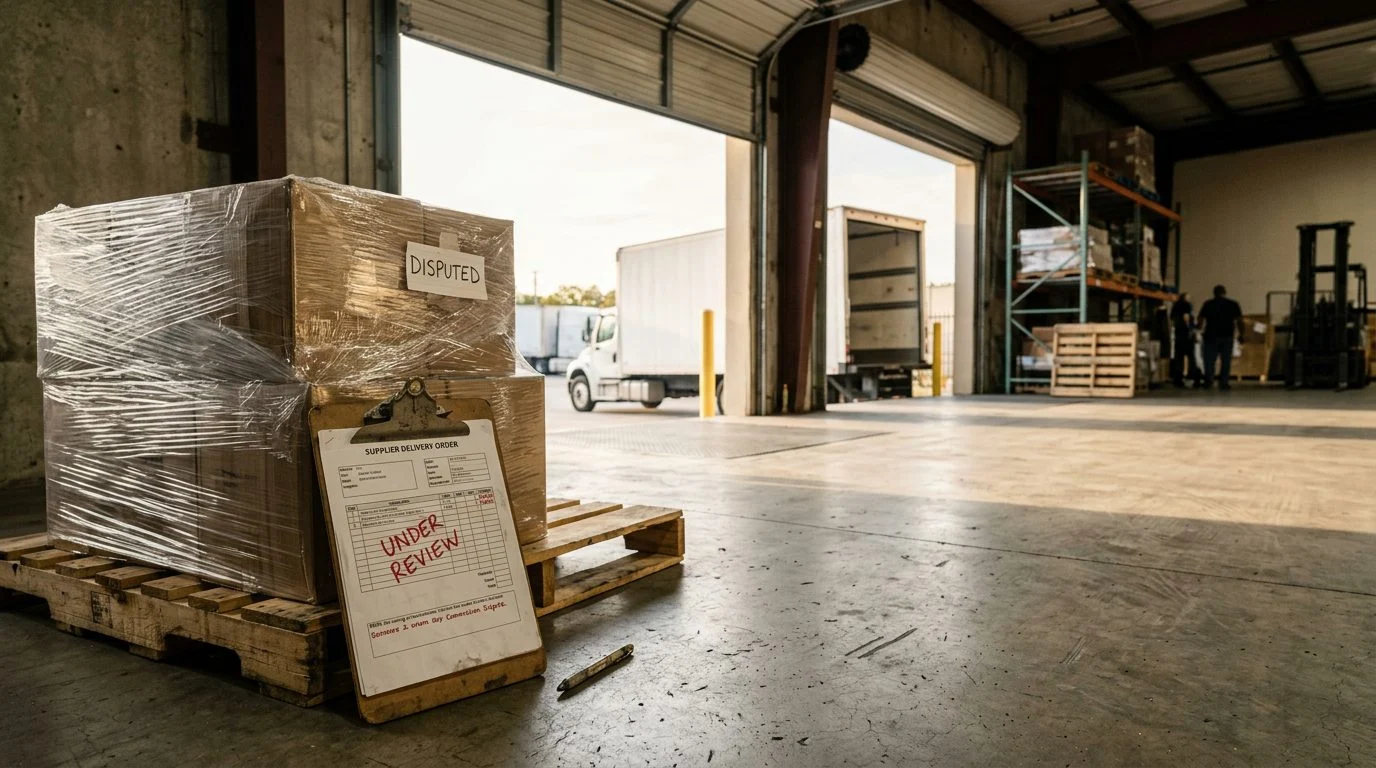
If you are unsure whether a commission is owed on a deal, how much it should be, or who is responsible for paying it, you are facing a commercial broker commission dispute. In Florida, these fights usually turn on the written agreement, the timeline of the deal, and who actually brought the buyer or tenant to the table. This page explains the common causes, the Florida rules that often matter, and how a dispute usually moves forward.
What a Commercial Broker Commission Dispute Is and Who It Affects
A commercial broker commission dispute is a disagreement over money tied to a commercial sale, lease or related deal. Usually the broker expects a fee, and the other side says it is not owed or is owed less.
Many people can be involved. Common parties include listing brokers, buyer’s brokers, co-brokers who share a deal, sellers, buyers, landlords and tenants. Brokerage firms and individual sales associates can also disagree about how a fee is split.
These disputes matter because commissions are often large. They are commonly paid at closing or tied to rent starting, and many deals involve several contracts. A small gap in wording can mean a big gap in money.
If you own, develop or invest in commercial property, you may be the party asked to pay. Either way, the paper trail is the place to start.
If a closed deal left your commission unpaid, or another broker is claiming the same buyer, our team can review the agreements and dates with you. Talk it through with our team — we can walk you through how a situation like yours is usually handled and what your options are.
Common Causes of Commercial Broker Commission Disputes
Most disputes fall into five patterns. Each one turns on different documents.
- Non-payment. A commission is due under a listing or brokerage agreement, but nothing arrives after closing or after rent starts. The fight often becomes whether the deal met the contract’s terms.
- Splits and referral fees. Two brokerages agree to share a fee, or a broker promises a referral payment to an outside party. Later, one side says the split or amount was never agreed.
- Procuring cause. Two brokers both say they introduced the buyer or tenant behind the deal. The question is who was the real source of the deal, not just who was in the room last.
- Deals that do not close. A transaction stalls, gets renegotiated or is terminated. The question is whether a commission was earned anyway, which turns on what the agreement says about closing and payment.
- Unclear or oral agreements. A promise was made by phone or at a meeting, with no clear written terms. Proving what was said becomes the central issue.
Florida Legal Framework for Broker Commissions
Florida sets time limits for filing lawsuits, and the clock generally starts when the last element of a claim occurs. Waiting too long can end a claim, so check dates early. Florida’s limitations statute, Fla. Stat. § 95.11, sets time limits for many kinds of actions.
Under Fla. Stat. § 95.031, a cause of action accrues when its last element occurs. Under Fla. Stat. § 95.03, a contract term that sets a shorter time to sue than the statute allows is void.
Pending arbitration can pause the clock. Under Fla. Stat. § 95.051, the running of the limitations period is tolled while an arbitral proceeding about the same dispute is pending.
It is background for these disputes, not a full guide to a commission claim. Lien rights are a separate step with their own requirements, so they need a careful review.
Commission claims often sit alongside other claims. Butler v. Yusem states that justifiable reliance is not a necessary element of fraudulent misrepresentation. Under Williams v. Johnson, an unjust enrichment claim generally will not support a claim where an express contract covers the same subject.
What Our Commission Dispute Work Covers
Our practice focuses on business litigation, commercial litigation, contract disputes and real estate litigation. Commission disputes often fall within those areas, and the work usually includes:
- Reviewing the listing agreement, brokerage or co-brokerage terms, purchase or lease contract and closing statement.
- Mapping the timeline: when the deal was presented, when it closed or stalled, and who did what.
- Comparing procuring cause and split terms against emails, texts and other communications.
- Written demands and negotiation aimed at getting paid or settling a split.
- Lien-related steps where Florida law allows them.
- Lawsuits in Florida courts, or arbitration where a written agreement contained in a record requires it or the parties agree to it in writing, unless a ground that exists at law or in equity for the revocation of a contract applies.
Florida law generally enforces a written agreement to arbitrate under Fla. Stat. § 682.02. A court also may not refuse to order arbitration because the claim lacks merit, under Fla. Stat. § 682.03. Federal law can apply too, since 9 U.S.C. § 2 covers written arbitration clauses in maritime transactions and in contracts evidencing a transaction involving commerce.

How a Commission Dispute Typically Proceeds
A dispute usually moves from document review to a written demand. A lawsuit or arbitration filing comes only if talks stall. Each matter moves at its own pace.
- Intake and document review. We look at the deal file, agreements, emails, texts and closing figures.
- Timeline and issues. We map when the commission was earned or claimed, and what each party did.
- Demand and negotiation. When the documents are clear, a well-built demand is often the quickest route.
- Filing, if needed. If talks fail, we weigh a lawsuit or arbitration and watch the time limits closely.
- Discovery and resolution. Evidence exchange, motions and settlement talks come first. Trial or an arbitration hearing follows only if the matter does not resolve.
Whether a written offer of settlement under Fla. Stat. § 45.061 is available depends on when the cause of action accrued, because the statute does not apply to causes of action that accrue after the effective date of the act. Fla. Stat. § 45.061 sets rules for how those offers are made and how long they stay open, but by its own terms it does not apply to causes of action that accrue after the effective date of the act. Timelines vary with the complexity of the deal, the number of parties and court schedules.
Why Ayala Law PA for Commission Disputes
Ayala Law PA focuses its practice on business litigation, commercial litigation, contract disputes, shareholder disputes, construction litigation, real estate litigation and international trade litigation in Florida courts and arbitration. Eduardo A. Maura is the responsible lawyer for this page.
Our office is at 1646 W Snow Ave, Tampa, FL. We represent businesses in Tampa, Hillsborough County, Brandon, Riverview, Plant City and Temple Terrace in Florida courts and arbitration.
Our team organizes deal documents and timelines so each matter starts with a clear record. Fees and costs are discussed directly with you and depend on the matter.
Not sure what your next step is?
Talk it through with our team — we can walk you through how a situation like yours is usually handled and what your options are.
Frequently Asked Questions About Commercial Broker Commission Disputes
Can a broker sue for an unpaid commission in Florida?
Whether a claim succeeds depends on the agreement and the facts of the deal.
How long do I have to file?
Florida sets time limits for filing suit under Fla. Stat. § 95.11. Check the dates early, because the clock can start at different points.
Is an oral commission agreement enforceable?
Oral deals are harder to prove. Emails, texts and closing figures often fill in what was said.
Does my commission dispute have to go to arbitration?
Only if your agreement requires it. Florida law generally enforces a written arbitration agreement under Fla. Stat. § 682.02.
What if two brokers claim the same buyer?
Procuring cause decides who introduced the buyer or tenant that led to the deal. The timeline and written communications usually carry the most weight.
Talk Through Your Commission Dispute With Our Team
Maybe you are reading this for a company, a partner or a client, after a closing that left a commission unpaid. Maybe another broker is now claiming the same buyer. Either way, the dates and documents matter. Call (305) 570-2208 or contact Ayala Law PA online to describe the deal, the agreements and the timeline, so the firm can explain the options that fit those facts.



