
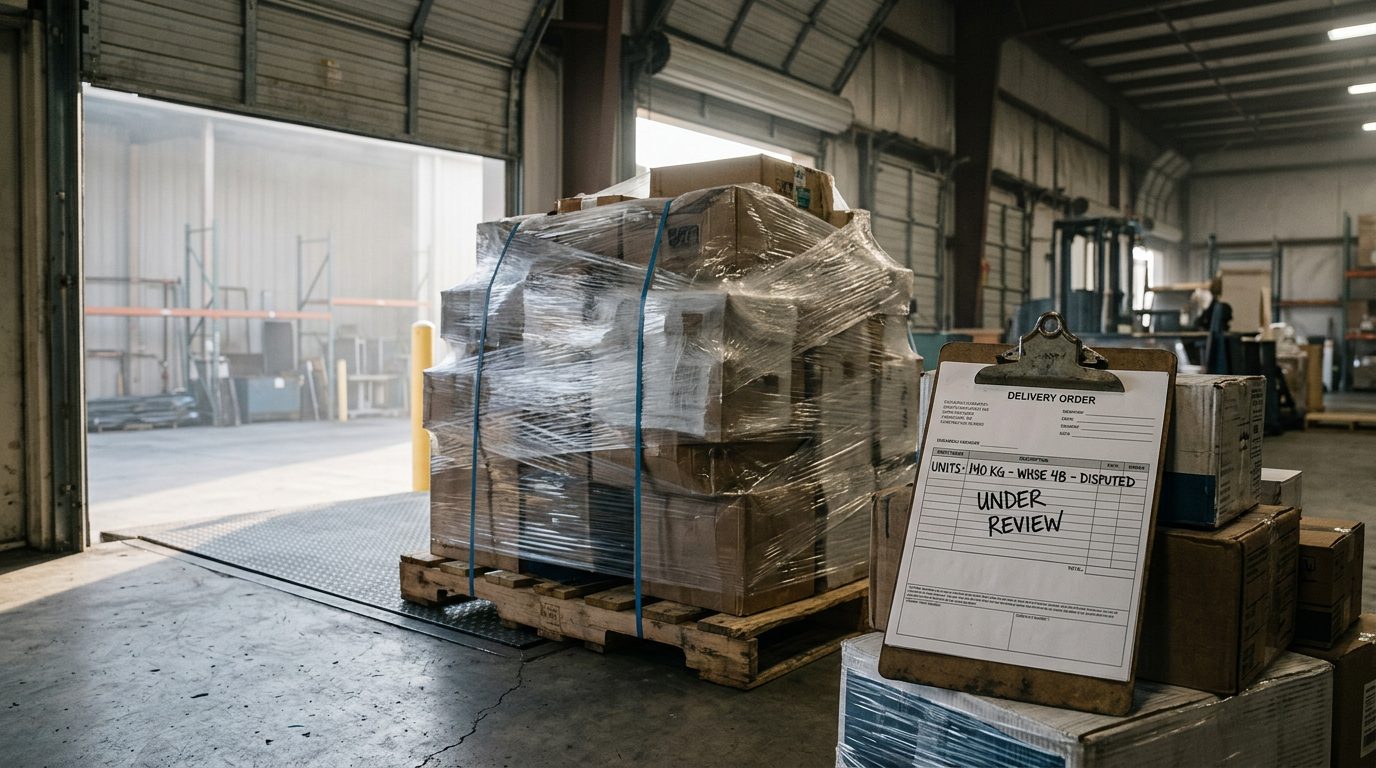
A commercial tenant who stays past the lease end date is a holdover tenant. Part I of Chapter 83 of the Florida Statutes governs nonresidential tenancies and sets out remedies for rent and possession. This guide walks through those steps in plain language for business owners and commercial landlords in Hillsborough County and the wider Tampa Bay area. Eduardo A. Maura is the responsible lawyer for this page.
What Happens When a Commercial Tenant Stays Past the Lease End Date
When a commercial lease ends and the tenant stays on without a new signed deal, the tenant is holding over. The term has ended, but the tenant still has the space.
What happens next turns on the lease language and on what both sides did after the term ended. Payments, messages, and walkthroughs all become part of the record. Keep copies of everything from the expiration date forward.
A landlord’s options depend on three things: the lease, the type of tenancy, and the timing of each step. Missing one step can slow the whole process, so write down dates as they happen.
This section covers the legal framework and the evidence that matters. Each dispute rests on its own record, and no one can forecast how a given case will end.
If a tenant is still in your commercial space after the lease ended, and you're weighing back rent, possession, or a negotiated exit, you don't have to sort those options out alone. Talk it through with our team — we can walk you through how a situation like yours is usually handled and what your options are.

Start With the Lease: Expiration, Holdover, and Notice Clauses
The lease is the first document to read, because its terms set most of your options. Check these items first:
- Expiration date and renewal language. See whether the lease renews automatically or needs a written extension.
- Month-to-month conversion. Some leases say a holdover becomes a month-to-month tenancy. Others say it does not. Read the exact wording.
- Holdover rate. A holdover clause may set a higher daily or monthly rate. Note the amount and the date it starts.
- Surrender duties. Look for move-out dates, key return, removal of property, and restoration obligations.
- Follow them exactly.
Confirm that both sides signed and dated the lease. A signed written lease is far easier to prove than a memory of a phone call. Keep the original, every amendment, and every email about the space.
How Florida Law Treats Holdover Rent
Florida law lets a landlord demand double rent from a tenant who refuses to leave at the end of the lease.
Under Fla. Stat. § 83.06, when a tenant refuses to give up possession at the end of the lease, the landlord may demand double the monthly rent. The landlord may recover that amount at the end of each month, or in the same proportion for a longer or shorter period, by distress, in the manner pointed out hereinafter. The same section says all rent contracts bear interest from the time the rent becomes due.
Track each figure on its own line in your ledger, so the amounts stay easy to explain and easy to check.
Holdover Clauses: When a Court May Refuse to Enforce a Term
A court may refuse to enforce a contract term it finds unconscionable, meaning unfair in how it was made and in what it says.
In Basulto v. Hialeah Automotive (Fla. 2014), the Florida Supreme Court said both procedural and substantive unfairness must be present. They need not be present to the same degree, and courts weigh them together. The court’s approach in Basulto v. Hialeah Automotive means neither aspect is judged in isolation, because both are weighed together. That case involved an arbitration agreement and applied general Florida contract law.
A holdover rate that looks one-sided on its face may draw this challenge. Whether a court would strike it turns on the full record, including how the deal was made and what the rate was tied to.
Evidence and Records That Matter in a Holdover Dispute
The records you keep before and after expiration often decide what you can prove. Start with these:
- Rent ledgers showing every payment, partial payment, and credit.
- Correspondence about the move-out date, including emails and text messages.
- Dated photos and video of each room at expiration.
- Leasing activity for the space, such as inquiries or letters of intent with a replacement tenant.
- A walkthrough record written and dated at the end of the term.
Notes made at the time are easier to rely on than memories written months later. Store the files in one place and back them up.
Tenants keep records too. A tenant’s copies of key delivery, surrender attempts, and landlord statements matter just as much. Save them now, before a dispute sharpens.
Performance Clauses: Surrender, Restoration, and Key Return
Surrender and restoration duties come from the lease, so each deadline’s wording controls the claim. Read those words closely.
Performance clauses set deadlines for moving out, removing property, restoring the space, and returning keys. A missed deadline is a failure to perform those terms. The claim should follow the exact lease language, so copy the restoration standard word for word into your file.
Money claims for these duties usually rest on two kinds of figures. A per-day amount written into the lease is one figure. Actual, documented costs such as repair, cleaning, or delayed occupancy are another. Each needs its own proof, and they should not be blended on one line.
Walk the space at expiration when you can. Take dated photos of each room, the restroom, and any fixtures the lease names. Write down damage and any items left behind.
Keys matter too. Collect every key, and record the date, the time, and who received it. Keep that note with the lease.
Not sure what your next step is?
Talk it through with our team — we can walk you through how a situation like yours is usually handled and what your options are.
When There Is No Written Lease or the Terms Are Unclear
Without a clear written lease, the dispute turns on what both sides agreed and how they acted.
A tenancy without a signed lease still raises rent and possession questions. The facts that matter include the monthly rent, the payment schedule, and any terms both sides acknowledged. Witnesses and payment records help show those terms.
When wording is unclear, read the whole document, not a single line. Look at how the parties signed it and what they did afterward.
Where an express contract covers the same subject, claims arising from that contract will not support unjust enrichment. In Williams v. Johnson, a Florida appellate court explained that, given the existence of an express contract covering the same subject matter, “claims arising out of that contractual relationship will not support a claim for unjust enrichment.” If the lease covers holdover, expect the claim to rest on the lease itself.
Notice and Eviction Steps After the Lease Ends
A landlord who wants the space back and whose tenant will not leave files a court action for possession. Self-help is risky, so the court route is the one to plan around.
The Polk County Clerk’s eviction guidance describes the filing steps, required forms and documents, filing and service fees, summons, motions, final judgment, and the writ of possession, including nonresidential filings. Use it as a map of the process.
A practical sequence looks like this:
- Review the lease and confirm the type of tenancy.
- Record how and when it was served.
- If the tenant does not leave, file the possession action.
- Decide whether to claim rent and damages in the same case or separately.
- After judgment, obtain the writ of possession through the clerk.
If the case includes unpaid rent, the tenant must pay the amount alleged as unpaid into the court registry, unless the tenant has interposed the defense of payment or satisfaction of that rent. If the tenant has asserted a defense of payment or satisfaction, the court, in its discretion, may order that accruing rent be paid into the registry. Under Fla. Stat. § 83.232, a tenant who fails to pay as ordered waives its defenses. The landlord is then entitled to an immediate default for possession.
Changing locks or removing property on your own can create legal exposure. Use the court process instead.
Suing a Commercial Landlord or Tenant for Breach of the Lease
Either side can take a lease dispute to court, and the claim should follow the lease terms.
A tenant may sue a landlord over a deposit dispute or repairs the lease requires. A landlord may sue for unpaid rent, holdover amounts, restoration costs, and the lost use of the space. Frame each category around the lease clause it comes from and the proof for it.
Venue matters. Under Fla. Stat. § 47.011, an action is brought only in the county where the defendant resides, where the cause of action accrued, or where the property in litigation is located. This section does not apply to actions against nonresidents.
Fee clauses may shift costs. Under Fla. Stat. § 57.105, when a contract allows attorney’s fees to a party forced to enforce it, the court may allow reasonable fees to the other side if that party prevails. This subsection applies to any contract entered into on or after October 1, 1988.
Arbitration clauses carry weight. Under Fla. Stat. § 682.02, a written agreement to arbitrate is valid, enforceable, and irrevocable, except on a ground that exists at law or in equity to revoke a contract. The court decides whether the agreement exists.
Deadlines and Mistakes That Weaken a Commercial Lease Claim
Deadlines run on their own clocks, so start the calendar on the first day of holdover.
Florida sets time limits for suing under Fla. Stat. § 95.11. Under Fla. Stat. § 95.03, a contract provision fixing a shorter time to sue than the statute allows is void.
Several habits weaken a claim:
- Accepting partial rent without a written note that it does not waive the lease terms.
- Waiting too long to document the space’s condition.
- Missing a notice date set in the lease.
- Failing to keep records of efforts to re-lease the space.
- Letting talks with the tenant push back the lease’s own deadlines.
Each mistake makes a claim harder to prove. Track dates and records from the start.
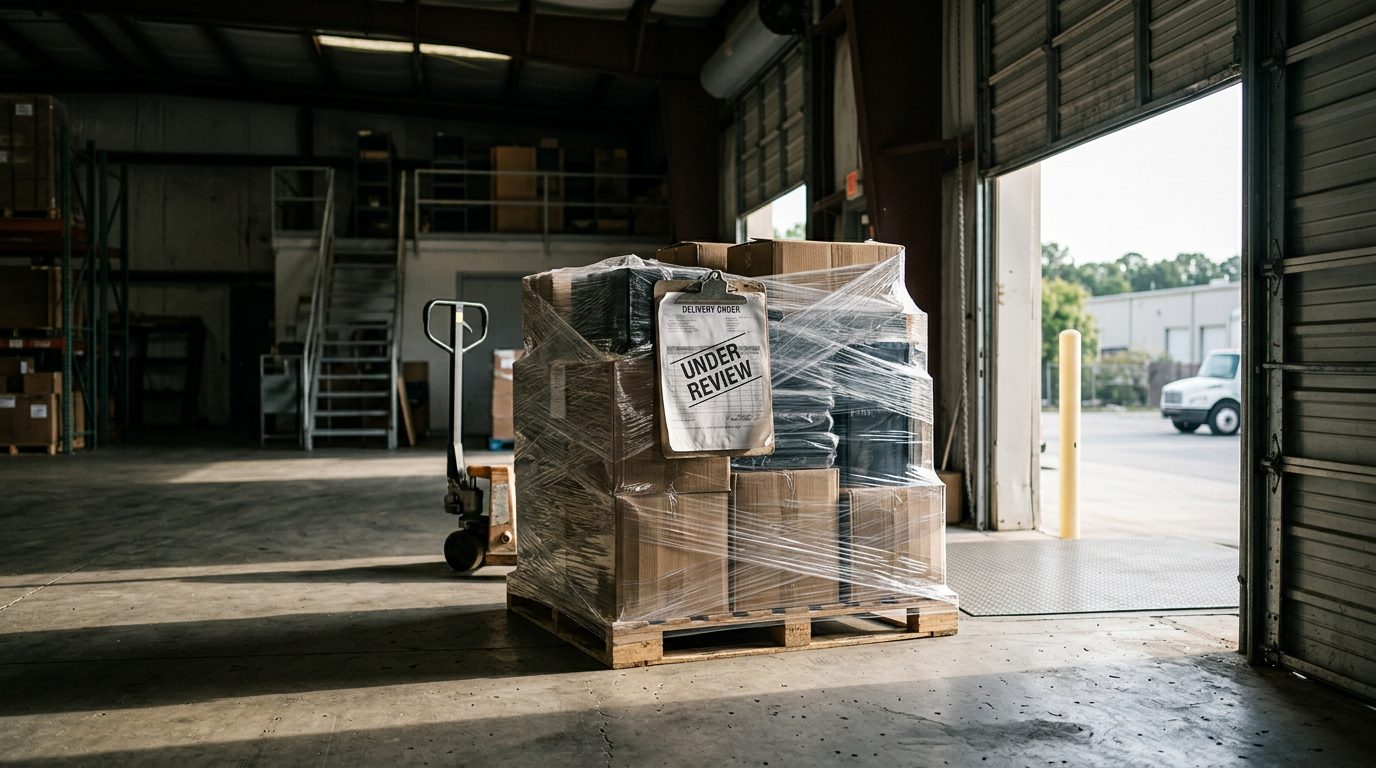
Bringing a Holdover Dispute to Ayala Law PA
If a commercial tenant is still in your space after the lease ended, you need to choose between pursuing rent, pursuing possession, or negotiating an exit. Each path has its own records and deadlines.
Ayala Law PA handles business litigation, commercial litigation, contract disputes, and real estate litigation in Florida courts and arbitration. The firm serves businesses in Hillsborough County and the Tampa Bay area. Its office is in Tampa, at 1646 W Snow Ave. Eduardo A. Maura is the responsible lawyer for this page.
Ayala Law PA does not offer a free consultation.
Common Questions
Can a landlord demand double rent from a commercial tenant in Florida?
Yes, when a tenant refuses to give up possession at the end of the lease, the landlord may demand double the monthly rent under Fla. Stat. § 83.06.
Can a landlord change the locks on a commercial tenant?
Changing locks or removing property on your own can create legal exposure. The court process is the safer route.
Where should a commercial lease lawsuit be filed in Florida?
Venue is governed by Fla. Stat. § 47.011, not Fla. Stat. § 83.06, which allows the landlord to demand double the monthly rent when a tenant refuses to give up possession at the end of the lease.
What must a tenant pay into the court registry?
Court registry payments are governed by Fla. Stat. § 83.232, not Fla. Stat. § 83.06, which allows the landlord to demand double the monthly rent when a tenant refuses to give up possession at the end of the lease.
If a tenant is still in your commercial space after the lease ended, and you’re weighing back rent, possession, or a negotiated exit, call (305) 570-2208 or contact Ayala Law PA to request a case evaluation.



