

Disagreements among co-owners of real property can raise questions about what options are available, and a lawyer can help explain them. The answer depends on how title is held, what the owners agreed to and the facts of the property. This page explains the general picture for co-owners in Tampa, Hillsborough County and across the Tampa Bay area.
When a Co-Owner Can Ask a Florida Court to Force a Sale
Co-owners who cannot agree on what to do with jointly owned property may want to speak with a lawyer about their options. That lawsuit is the usual route when owners can’t agree on what to do next.
The form of title is the starting point. Under Fla. Stat. § 689.15, except in cases of estates by entirety, a conveyance to two or more people creates a tenancy in common unless the instrument expressly provides for survivorship. Without that language, one owner’s share does not pass automatically to the others.
Married couples who hold title as tenants by the entirety are treated differently. The same statute says those tenants become tenants in common when the marriage is dissolved. Fla. Stat. § 689.15 reads: “The doctrine of the right of survivorship in cases of real estate and personal property held by joint tenants shall not prevail in this state; that is to say, except in cases of estates by entirety, a devise, transfer or conveyance heretofore or hereafter made to two or more shall create a tenancy in common, unless the instrument creating the estate shall expressly provide for the right of survivorship; and in cases of estates by entirety, the tenants, upon dissolution of marriage, shall become tenants in common.” Under Fla. Stat. § 689.15, in cases of estates by entirety, the tenants, “upon dissolution of marriage, shall become tenants in common.” A divorce can therefore change how title to that property is held, so review the deed and any related court papers.
If a co-owner's demand has you unsure what your share allows, you don't have to sort it out alone. Call Ayala Law PA at (305) 570-2208 to talk through the facts. Talk it through with our team — we can walk you through how a situation like yours is usually handled and what your options are.
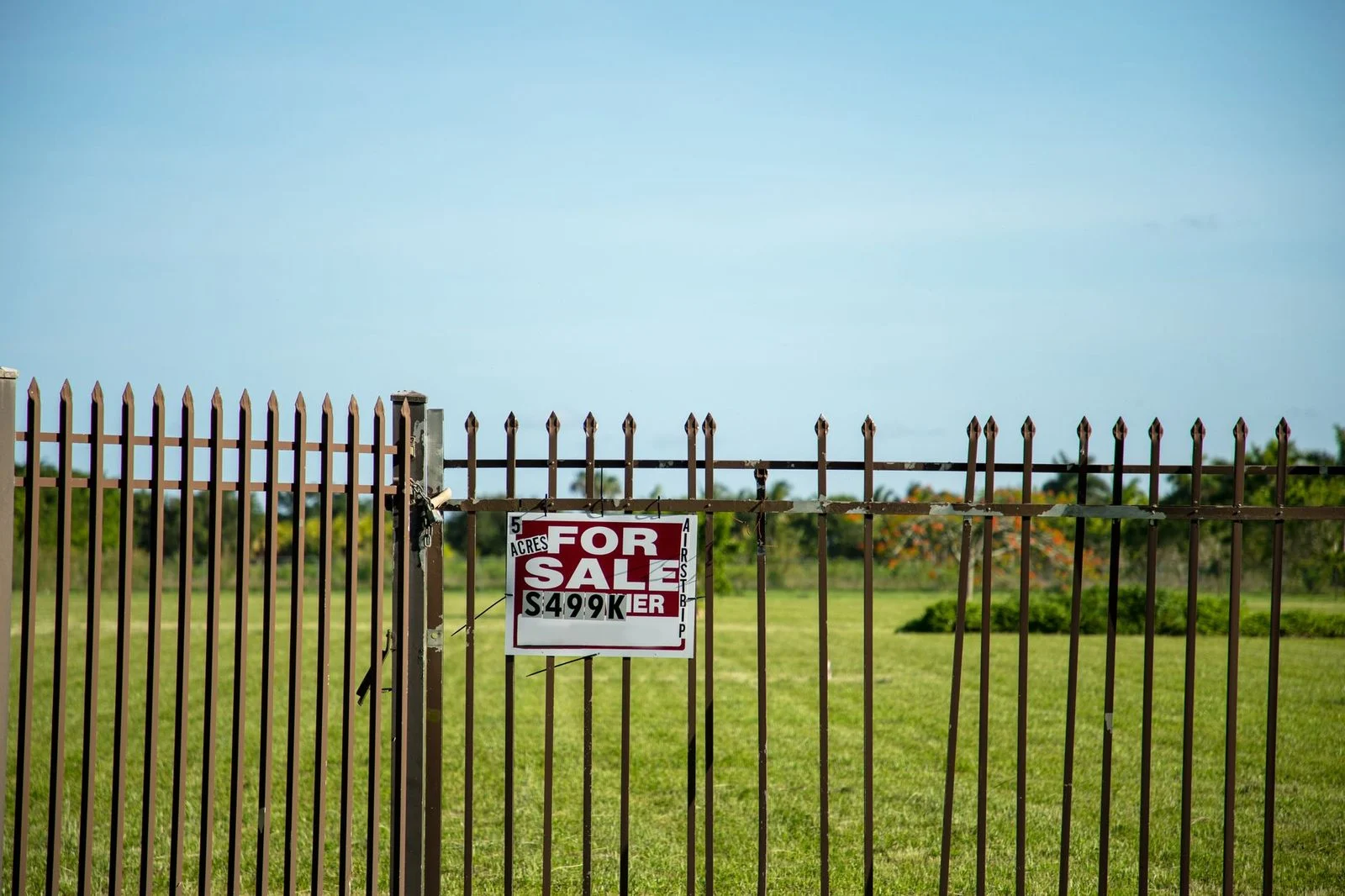
How a Partition Action Works Under Florida Law
A partition action is a civil lawsuit that one co-owner files against the others. Each of them has a stake in the result, so each one is part of the case.
The court’s central question is practical. Can the property be divided fairly among the owners?
Courts can also send the parties to mediation. Florida’s mediation statute, Fla. Stat. § 44.102, requires a court, when one party asks, to send a filed civil action for monetary damages to mediation if the requesting party is willing and able to pay the costs of the mediation or those costs can be equitably divided between the parties. Under Fla. Stat. § 44.102, a court, upon request of one party, must refer to mediation any filed civil action for monetary damages, provided the requesting party is willing and able to pay the costs of the mediation or the costs can be equitably divided between the parties, unless an listed exception applies. The exceptions include an action filed for the purpose of collecting a debt and a case in which the parties have agreed to binding arbitration. For a filed civil action where mediation is not required, the court may still refer all or any part of it to mediation. The statute was amended in 2026 by ch. 2026-16, so the current text controls.
Many disputes start with a text or an email about selling. Whether those words form a binding agreement is a separate question from whether the property can be partitioned.
Partition in Kind, Partition by Sale, and Buyouts
Some cases end another way, with one owner buying out the others at an appraised value.
Physical division is hard with a single house or a small building. Larger parcels that can be split fit better, though the court decides what is practical on the facts.
Debts reduce each share. Under Fla. Stat. § 55.10, a judgment becomes a lien on real property in a county when a certified copy is recorded there with the lienholder’s address. Under Fla. Stat. § 55.10, a judgment, order, or decree becomes a lien on real property in any county when a certified copy of it is recorded in the official records or judgment lien record of the county, whichever is maintained at the time of recordation, provided that the judgment, order, or decree contains the address of the person who has a lien as a result of such judgment, order, or decree or a separate affidavit is recorded simultaneously with the judgment, order, or decree stating the address of that person. For a certified copy first recorded on or after July 1, 1994, that lien lasts an initial ten years from the date of recording.
Liens and sale costs can reduce what each owner receives. Run the numbers before deciding which route makes sense.
Defenses a Co-Owner Can Raise Against a Partition Action
Each defense turns on the documents and history of the property.
Oral promises are harder to enforce than many people expect. The Florida Supreme Court in St. Joe Corp. v. McIver held that an oral contract still needs offer, acceptance, consideration and sufficient specification of essential terms.
A related case, DK Arena, says promissory estoppel cannot be used to enforce an oral agreement that the Statute of Frauds requires in a signed writing. A handshake promise to keep a house in the family may not be enough.
Transfers need paperwork too. Fla. Stat. § 689.01 requires an estate or interest in real property of freehold, or for a term of more than 1 year, to be created or transferred by a signed written instrument, signed in the presence of two subscribing witnesses, with some exceptions. Fla. Stat. § 689.01 reads, in part: “…shall be assigned or surrendered unless it be by instrument signed in the presence of two subscribing witnesses by the party so assigning or surrendering, or by the party’s lawfully authorized agent, or by the act and operation of law; provided, however, that no subscribing witnesses shall be required for a lease of real property or any such instrument pertaining to a lease of real property.”
Title can also be challenged. A co-owner may question whether the party suing actually holds the interest claimed.
Special Situations: Homestead, Inherited and Business-Owned Property
Homestead, inherited and business-owned property can raise questions a basic co-ownership case does not. These situations change who the parties are and which documents matter most.
Business-owned property works differently. Under Fla. Stat. § 605.0105, an LLC’s operating agreement governs relations among its members and between the members and the company, except as otherwise provided in subsections (3) and (4). Under Fla. Stat. § 605.0105, which governs limited liability companies, the operating agreement governs relations among the members and between the members and the company, except as otherwise provided in the statute. For an LLC, to the extent the operating agreement does not otherwise provide for a matter described in Fla. Stat. § 605.0105(1), the chapter governs the matter.
Inherited property often has several heirs, and some interests may never have been recorded. Probate status and unrecorded interests can complicate who the parties are.
A home where an owner lives can raise questions that a vacation property does not. Those rules are specific, so the facts of the home need review first.
What Happens During a Partition Case
A partition case usually moves through filing, service on the other owners, written responses, information gathering, and then a hearing or settlement.
Timelines vary with the court’s schedule and with whether owners agree or dispute the main issues. Plan for a process, not a quick result, especially when owners disagree about value.
Some cases end before a judgment, through a negotiated buyout or a negotiated sale. Mediation, mentioned above, is one way to try for that agreement.
Before a sale is on the table, gather the deed, any written agreements, the recorded liens and any operating or partnership agreement. Those papers shape every option.
Not sure what your next step is?
Talk it through with our team — we can walk you through how a situation like yours is usually handled and what your options are.

If a Co-Owner Is Pressing for a Sale: Talking With Ayala Law PA
If a co-owner is pushing for a sale, the title, the documents and your goals come first. You may have received a demand from a co-owner, learned that a sibling or business partner wants out, or inherited a share you never planned to manage.
This page is the responsibility of Eduardo A. Maura. Ayala Law PA’s office is in Tampa, Florida, at 1646 W Snow Ave. The firm focuses on business litigation, contract disputes, shareholder disputes, construction litigation, real estate litigation and international trade litigation, and it serves businesses and property owners in Tampa, Hillsborough County and across the Tampa Bay area. Some matters may be referred to another lawyer or firm.
Common Questions
The title and the facts control the outcome.
Does a Florida deed need witnesses?
Florida law generally requires a transfer of a freehold or of an interest for more than 1 year in real estate to be in a signed writing with two subscribing witnesses, as § 689.01 states, though no subscribing witnesses are required for a lease of real property. Under Fla. Stat. § 689.01, an estate or interest in real property that is a freehold, a term of more than 1 year, or any uncertain interest may be assigned or surrendered only by an instrument signed in the presence of two subscribing witnesses by the party so assigning or surrendering, or by the party’s lawfully authorized agent, or by the act and operation of law, and no subscribing witnesses are required for a lease of real property or any instrument pertaining to a lease of real property.
Can a judgment become a lien on co-owned land?
Yes, once a certified copy is recorded in that county with the lienholder’s address, under § 55.10. Under Fla. Stat. § 55.10, a judgment, order, or decree does not become a lien on real property unless the address of the person who has a lien as a result of it is contained in the judgment, order, or decree or an affidavit with that address is simultaneously recorded with it.
If a co-owner’s demand has you unsure what your share allows, you don’t have to sort out the title alone. Call (305) 570-2208 or contact Ayala Law PA to talk through the facts.



