
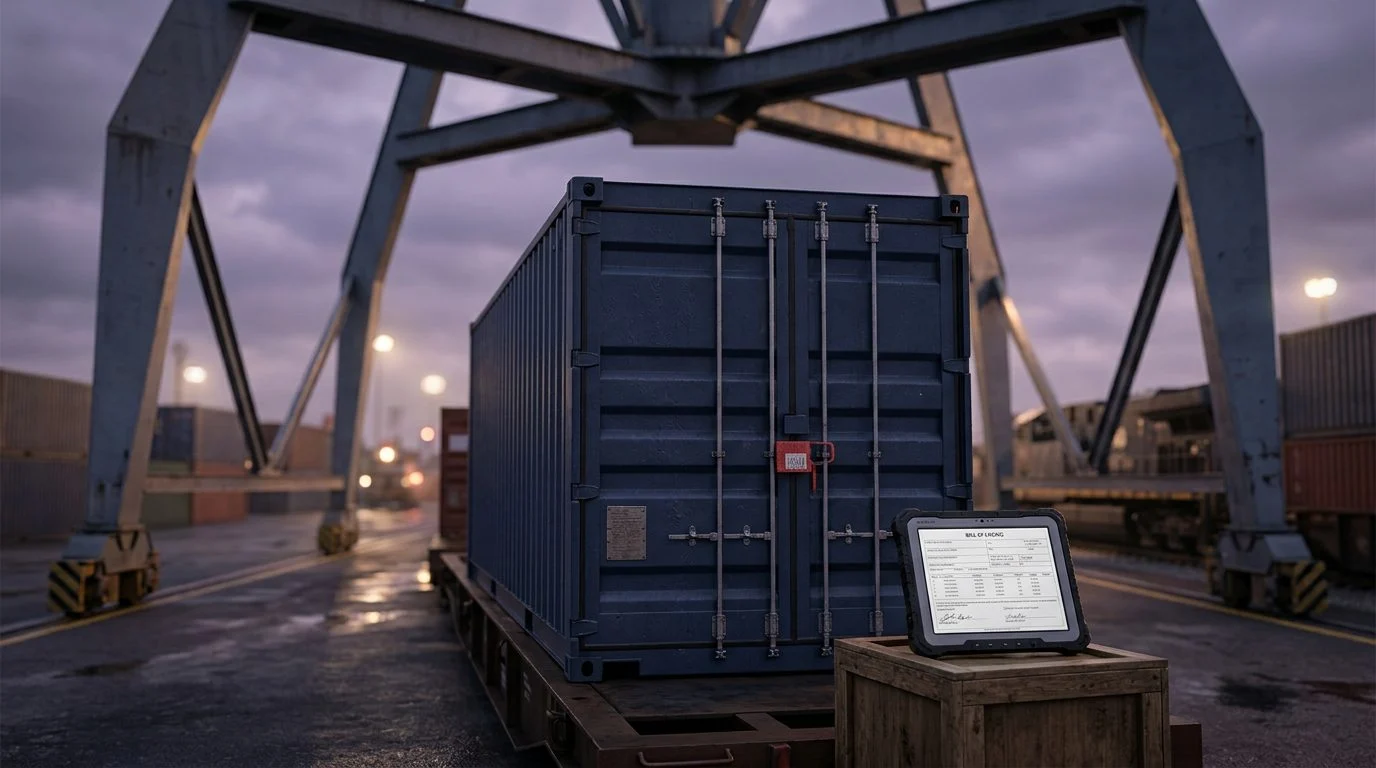
International trade litigation is a lawsuit or arbitration over a contract to sell, supply, distribute or pay for goods when the deal crosses a border. For a Brandon business, the contract wording and a few Florida deadlines often decide which claims are available. Ayala Law PA focuses on business and contract disputes, including international trade litigation in Florida courts and arbitration. The firm’s only office is at 1646 W Snow Ave in Tampa, and it serves businesses in Brandon and Hillsborough County.
What International Trade Litigation Covers for Brandon Businesses
International trade litigation covers disputes over cross-border sales, supply, distribution and payment contracts. A case usually involves at least one party outside the United States, or goods that cross a border. That can mean a foreign buyer who won’t pay, a foreign supplier who ships the wrong product, or a U.S. company selling or buying abroad.
Most of these fights turn on the written contract. Florida’s sales rules sit in the Uniform Commercial Code (UCC, the standard commercial law many states use). Under Fla. Stat. § 672.201, a contract for goods priced at $500 or more is generally not enforceable unless a record shows that a sale was made and is signed by the party against whom enforcement is sought or that party’s authorized agent or broker. That rule has exceptions, so the paperwork matters.
Ayala Law PA handles these disputes as part of its international trade litigation and contract disputes work, in Florida courts and arbitration.
Not sure what your next step is?
Talk it through with our team — we can walk you through how a situation like yours is usually handled and what your options are.
Why Brandon and Eastern Hillsborough County Companies Face These Disputes
Companies in Brandon often buy and sell products that move through the wider Tampa Bay supply chain. Distributors, contractors buying equipment and materials, food and consumer goods sellers, and businesses that rely on freight forwarders can all end up in a cross-border dispute. Nearby Riverview, Plant City and Temple Terrace have similar mixes of companies.
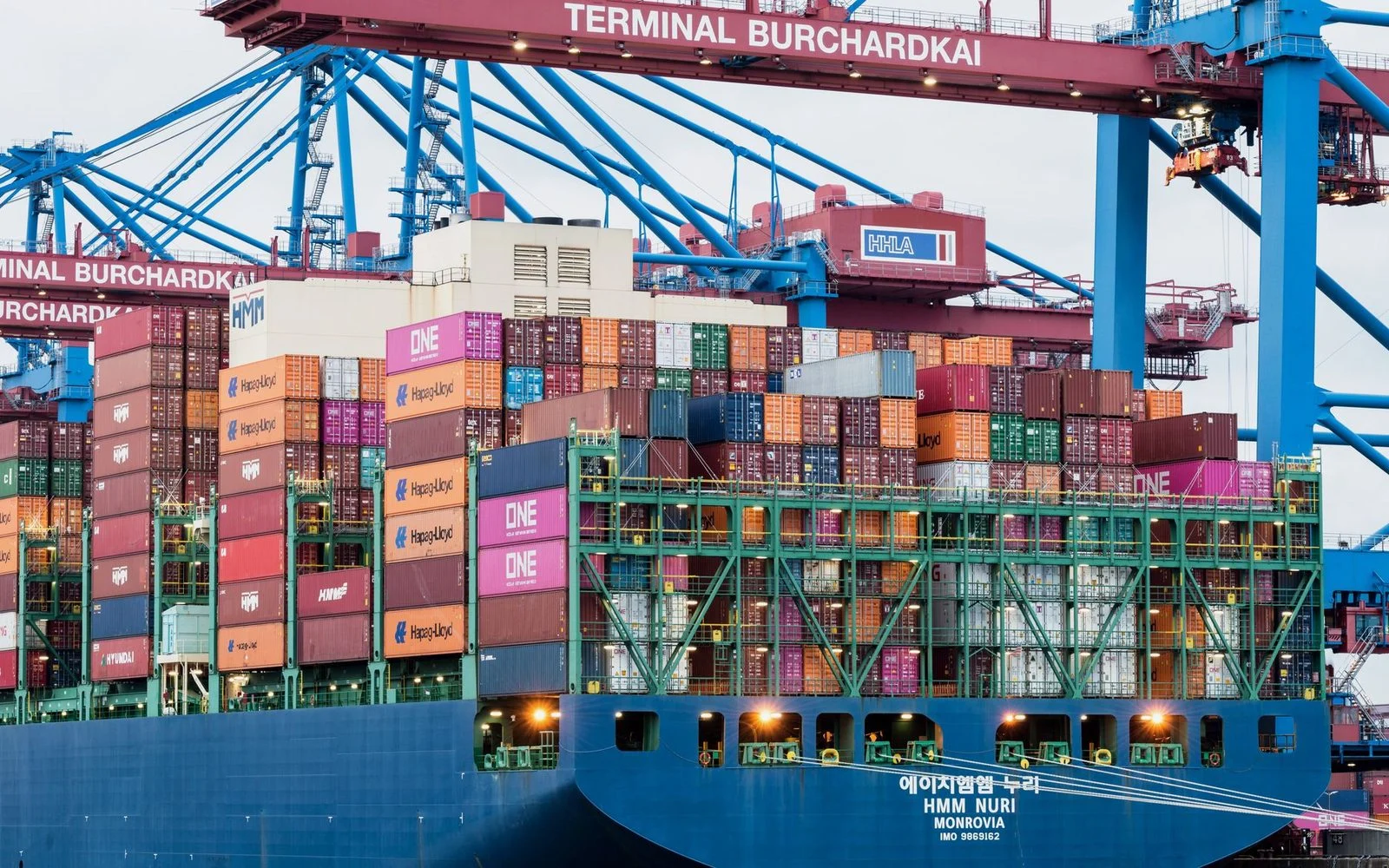
Goods moving through Port Tampa Bay bring delivery, inspection and payment questions into local contracts. These problems often start at the loading dock or warehouse door, not in a courtroom.
Timing matters at that stage. Under Fla. Stat. § 672.606, a buyer accepts goods when, after a reasonable chance to inspect them, it tells the seller the goods conform or that it will keep them despite nonconformity. Acceptance can also happen when the buyer fails to make an effective rejection after a reasonable chance to inspect, or does an act inconsistent with the seller’s ownership; but if that act is wrongful against the seller, it counts as acceptance only if the seller ratifies it. Track inspection dates from the day goods arrive.
Common Cross-Border Dispute Scenarios
Most cross-border disputes fall into a few categories. These are types of disagreement, not predictions about how any particular claim will turn out.
- Unpaid invoices. A foreign buyer withholds payment after goods were delivered or accepted.
- Nonconforming goods. Goods do not match the contract, or delivery is late, or inspection results are disputed.
- Distribution disputes. A distributor or sales agent is terminated, or the parties disagree about territory or commissions owed across borders.
- Freight and documentation. A dispute with a carrier, freight forwarder or intermediary over shipment handling, bills of lading or charges.
Accepting goods carries obligations. Under Fla. Stat. § 672.607, the buyer must pay the contract rate for any goods accepted. The buyer must also notify the seller of a breach within a reasonable time after it discovers, or should have discovered, the problem. Otherwise the buyer may be barred from any remedy. The buyer also carries the burden to prove any breach of goods it accepted. Delay in giving that notice is the risk to watch most closely.
Forums, Contract Clauses and What Shapes Your Case
The dispute clauses in your contract often decide where a case must go first. The Federal Arbitration Act provides that a written provision in any maritime transaction or a contract evidencing a transaction involving commerce to settle by arbitration a controversy thereafter arising out of such contract or transaction, or the refusal to perform the whole or any part thereof, or an agreement in writing to submit to arbitration an existing controversy arising out of such a contract, transaction, or refusal, shall be valid, irrevocable, and enforceable, save upon such grounds as exist at law or in equity for the revocation of any contract or as otherwise provided in chapter 4. Under Fla. Stat. § 682.02, a court decides whether an arbitration agreement exists.
Other clauses matter too. Under Fla. Stat. § 671.105, parties to a deal with a reasonable relation to Florida and another state or nation may agree which law governs. Whether any of these rules applies depends on the facts.
Under Fla. Stat. § 95.03, a contract clause that sets a shorter time to sue than the statute allows is void. Florida’s general limitation periods appear in Fla. Stat. § 95.11.
Before you call, gather these records:
- Signed contracts, amendments and side letters
- Purchase orders and invoices
- Bills of lading and delivery or inspection records
- Payment history and key emails or letters with the other party
How Ayala Law PA Handles Brandon Matters
Ayala Law PA represents Brandon businesses in Florida courts and arbitration, and its only office is at 1646 W Snow Ave in Tampa. Eduardo A. Maura is the lawyer responsible for this page.
The firm focuses on business litigation, commercial litigation, contract disputes, shareholder disputes, construction litigation, real estate litigation and international trade litigation. Our team supports the lawyer on each matter.
Some matters may be referred to another lawyer or firm, and this page says so. The right fit depends on the contract, the parties and the forum the clauses point to.
Take the Next Step on Your Brandon Dispute
If a foreign buyer has not paid, or a shipment was rejected, your notice and filing deadlines may already be running. Pull your contract and delivery records together now. Then call (305) 570-2208 or request a case evaluation so the firm can review the clauses that control your dispute.
Frequently Asked Questions
What is international trade litigation?
It is a lawsuit or arbitration over a sale, supply, distribution or payment contract that crosses a border.
Does a sale of goods need a signed contract?
Generally, a sale of goods priced at $500 or more needs a signed record, with exceptions under Fla. Stat. § 672.201.
Can a contract require arbitration?
According to federal arbitration law, a written provision in any maritime transaction or a contract evidencing a transaction involving commerce to settle by arbitration a controversy thereafter arising out of such contract or transaction, or the refusal to perform the whole or any part thereof, or an agreement in writing to submit to arbitration an existing controversy arising out of such a contract, transaction, or refusal, shall be valid, irrevocable, and enforceable, save upon such grounds as exist at law or in equity for the revocation of any contract or as otherwise provided in chapter 4.
Can a contract shorten the time to sue?
A clause that sets a shorter time to sue than Florida’s statute allows is void, under Fla. Stat. § 95.03.



