

When a business contract goes wrong, the other side may point to a limitation of liability clause, which is often the provision that restricts what you can recover.
It may use a dollar figure or a formula, and it may exclude certain types of loss. Whether a Florida court enforces it depends on how the deal was made, what the clause says, and the facts of the dispute.
What a Limitation of Liability Clause Does in a Business Contract
In a Florida business contract, a limitation of liability clause caps what one party can recover from the other when the deal goes wrong. It usually sits in the remedies or liability section, close to indemnity and warranty language. Those provisions work together, so read them together.
The cap can take several forms. It may be a fixed dollar amount, a figure tied to the fees or price paid, a waiver of certain damage types, or a mix of these.
The clause decides who carries a loss. The protected party keeps money it might otherwise owe. The other party may absorb a loss it expected to recover.
Many owners sign a purchase order or vendor form without reading the back page. That is where caps often hide, so check every document in the deal. Reading the clause early also gives you time to ask for changes while the deal is still open.
Not sure what your next step is?
Talk it through with our team — we can walk you through how a situation like yours is usually handled and what your options are.

Are Limitation of Liability Clauses Enforceable in Florida?
If a court finds, as a matter of law, that the contract or a clause was unconscionable when it was made, the court may refuse to enforce the contract, enforce the rest of it without that clause, or limit the clause so it doesn’t produce an unconscionable result. See § 672.302. See § 672.302.
The unfairness can show up in how the deal was made (procedural) and in how one-sided the terms are (substantive). In Basulto v. Hialeah Automotive, the Florida Supreme Court concluded that both the procedural and substantive aspects of unconscionability must be present, although not necessarily to the same degree, and that both should be evaluated interdependently rather than as independent elements. See Basulto v. Hialeah Automotive, an arbitration case that applied general Florida contract law.
In practice, a cap buried in a form and offered on a take-it-or-leave-it basis can draw closer review. A cap that two businesses negotiated line by line may be viewed differently. Each case turns on the contract language and the surrounding facts.
Direct Damages Versus Consequential Damages: What a Cap Usually Reaches
Direct damages are losses that flow naturally from the breach. Consequential damages are indirect losses tied to special circumstances.
Take a supplier who ships defective parts. The cost to replace those parts is usually a direct loss. Profit you lost on a customer order you couldn’t fill because of those parts is usually consequential.
A clause that excludes consequential damages is different from a clause that caps total damages. The first removes one category of loss. The second sets a ceiling on everything. The wording controls which one you have.
Before you argue about a cap, sort each claimed loss into one of these two groups. Many disputes get clearer once each loss is sorted this way.
Fees add another layer. Under Florida’s American Rule, each party generally pays its own attorneys’ fees unless a contract or statute says otherwise. See Price v. Tyler.
Common Types of Liability Caps in Florida Business Contracts
The most common caps tie liability to the contract value, to a fixed dollar amount, or to an exclusion of consequential damages.
- Contract-value cap: total liability is limited to the fees or price paid under the agreement.
- Fixed-dollar cap: a stated maximum, no matter how large the loss.
- Consequential-damages exclusion: often paired with a direct-damages cap.
- One-way cap: protects only one party, which shifts risk unevenly across the deal.
Check the timing language too. Some caps apply per claim, some per year, and some for the life of the contract. A single cap can cover much less than it first appears.
Also check whether the cap binds both sides. A one-way cap can look balanced on a quick read and still move most of the risk to one business.
What a Cap Generally Cannot Reach
A cap limits the amount recoverable under the contract’s stated terms. It does not automatically wipe out every other claim the parties might have.
Some claims sit outside the contract. In Florida, the economic loss rule is limited to products liability cases. That means a cap in a general commercial contract should not be assumed to bar every tort claim between the parties. See Tiara Condominium Ass’n v. Marsh & McLennan.
Unjust enrichment is another route, but it has limits. Where an express contract covers the same subject, claims arising from that relationship won’t support an unjust enrichment claim. See Williams v. Johnson.
Don’t assume a cap ends a fraud or negligence claim without checking how the clause is worded and what conduct is alleged. The wording and the conduct both matter.
Construction Contracts and Indemnity: Read the Cap With the Indemnity Clause
In a construction contract, a liability cap and an indemnity clause should be read together, not one at a time.
Contractors and subcontractors often sign agreements where one clause shifts a loss and another limits it.
Timing is a separate issue. For claims about the design or construction of an improvement to real property, Florida’s four-year period generally runs from the earliest of the certificate of occupancy, certificate of completion, or abandonment date. Fla. Stat. § 95.11 reads: “(3) WITHIN FOUR YEARS.— … (b) An action founded on the design, planning, or construction of an improvement to real property, with the time running from the date the authority having jurisdiction issues a temporary certificate of occupancy, a certificate of occupancy, or a certificate of completion, or the date of abandonment of construction if not completed, whichever date is earliest; except that, when the action involves a latent defect, the time runs from the time the defect is discovered or should have been discovered with the exercise of due diligence.” See Fla. Stat. § 95.11.
A cap can reduce the money at stake even when the deadline is still open. Check both before you decide what the contract allows.
Not sure what your next step is?
Talk it through with our team — we can walk you through how a situation like yours is usually handled and what your options are.
Reading the Clause: Conflicting Terms, Notice, and Governing Law
When a cap is unclear or conflicts with other terms, the dispute often turns on which terms became part of the deal.
When two businesses exchange their own forms, the question is whether the other side’s additional terms became part of the contract. Under Fla. Stat. § 672.207(2), between merchants such terms become part of the contract unless the offer expressly limits acceptance to its own terms, the terms materially alter it, or notice of objection has already been given or is given within a reasonable time after notice of them is received. Between merchants, those terms become part of the contract unless the offer expressly limits acceptance to its own terms, the terms materially alter the deal, or the other party objects in time. See § 672.207.
Notice matters too. Under § 672.607, a buyer who accepted goods must notify the seller of a breach within a reasonable time after discovering it, or after the point when the buyer should have discovered it, or be barred from any remedy.
If the deal crosses state lines or borders, the contract may name the governing law. Florida allows the parties to choose which law applies when the transaction bears a reasonable relation to Florida and another state or nation. See § 671.105.
Gather the full contract, amendments, purchase orders, change orders, invoices, and the emails about the loss before you evaluate any cap.
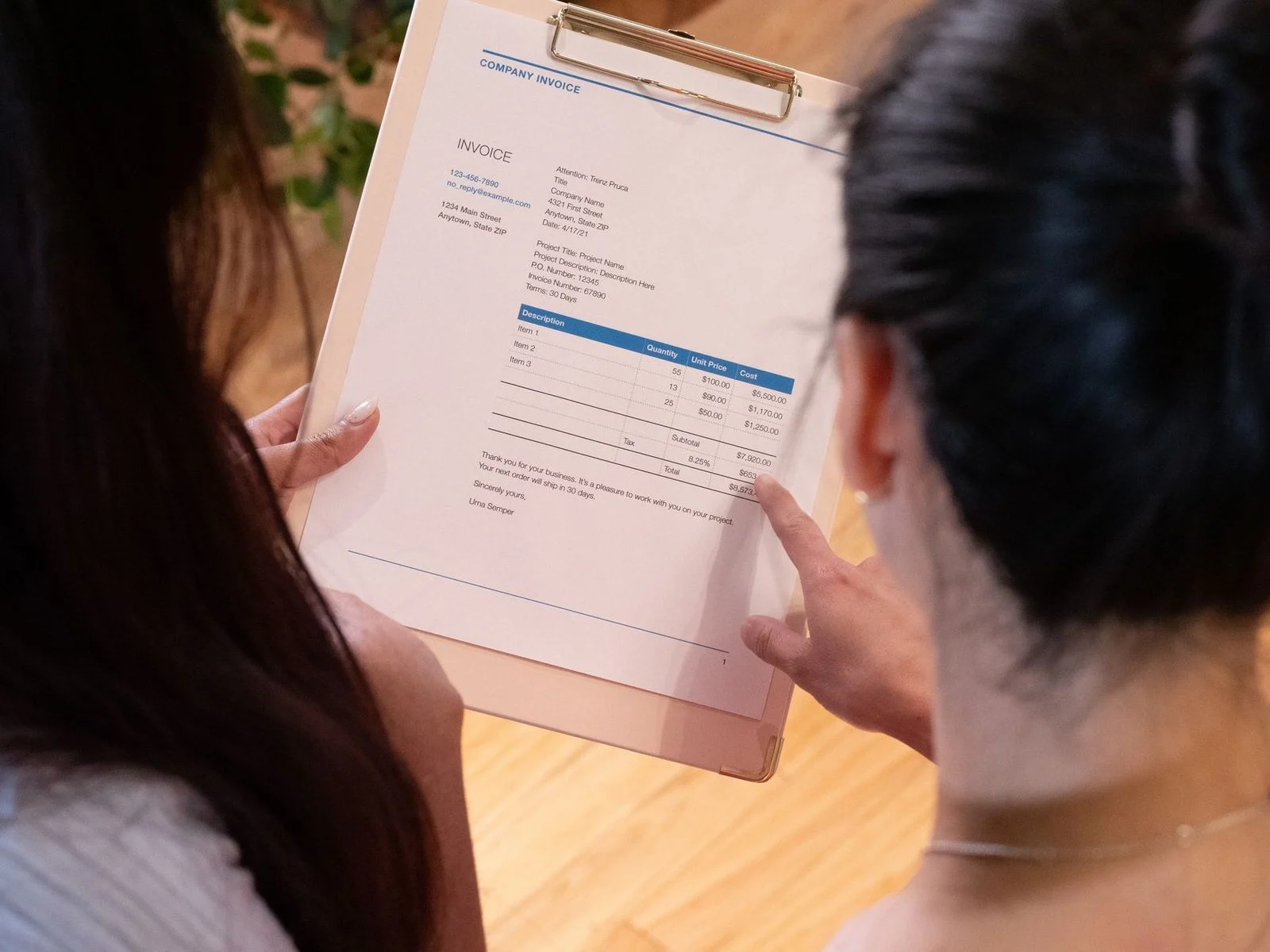
Talk Through Your Contract Before You Respond to the Cap
If another party or an insurer points to a liability cap to limit what they’ll pay, talk through the clause before you reply.
A written response sent before anyone reviews the cap can shape later arguments. Timing matters, and so does how the reply describes the loss.
A contract can’t cut your time to sue short. A provision that sets a period shorter than the statute of limitations is void. See § 95.03.
Frequently Asked Questions
Is a limitation of liability clause enforceable in Florida?
It can be. A court may refuse to enforce a clause that is unconscionable, meaning unfair in how it was made and what it says.
What is the difference between direct and consequential damages?
Direct damages flow naturally from the breach. Consequential damages are indirect losses, such as lost profit on another deal.
Can a Florida business contract cap every claim?
Not necessarily. A cap limits recovery under the contract’s terms, and some claims may fall outside the clause.
Eduardo A. Maura is the responsible lawyer for this page. Ayala Law PA’s office is in Tampa, Florida. The firm represents businesses in Tampa, Hillsborough County, and the wider Tampa Bay area.
If a liability cap is standing between you and a loss on a Florida contract, you don’t have to sort out the clause alone. Call Ayala Law PA at (305) 570-2208 or use the contact page to talk through the clause, the loss, and the deadlines involved. Case evaluations are fee-based services, and the firm discusses fees with you directly when you call.



