
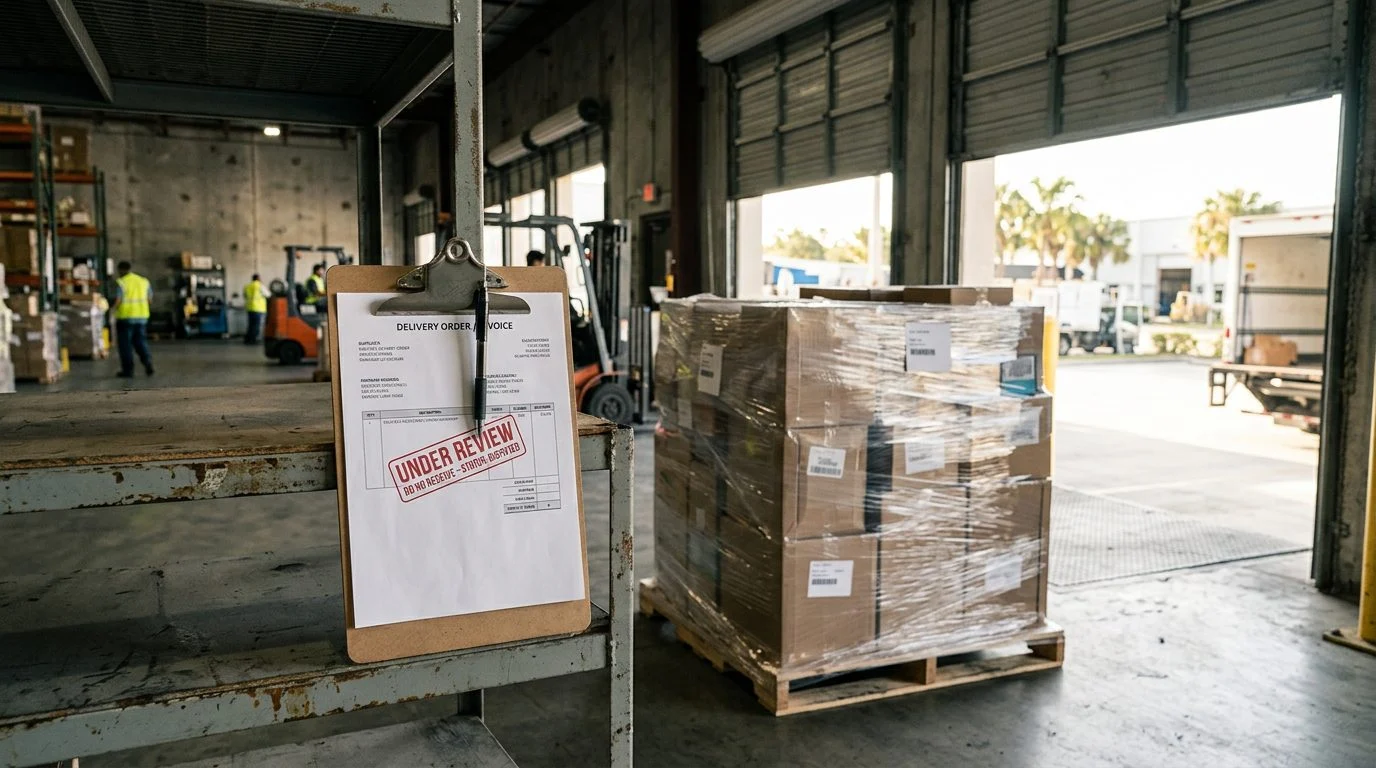
A commercial property misrepresentation claim arises when someone gives you a false material fact about a business property and you act on it to your harm. Florida law looks at what was said, whether it was false, whether the speaker knew it, and whether you relied on it. If you need a commercial property misrepresentation lawyer in Florida, start by understanding those elements. This page explains them in plain terms. Ayala Law PA focuses its practice on business litigation, including commercial real estate disputes in Florida courts and arbitration. Eduardo A. Maura is the responsible lawyer for this page.
What Commercial Property Misrepresentation Means Under Florida Law
Commercial property misrepresentation is a false statement or hidden fact about a business property that another party relied on in a deal. It can come up when someone buys, sells, leases or finances an office, warehouse, retail space or other commercial property.
Florida courts describe fraudulent inducement in four parts. Frutafino, S.A.S. v. Dole Chile quotes the Florida Supreme Court’s list from Butler v. Yusem. The claimant must show:
- A false statement about a material fact.
- The speaker knew the statement was false.
- The speaker meant the statement to get you to act.
- You were hurt because you acted on it.
A negligent misrepresentation claim works differently.
Statements that often come up in commercial deals include:
- Square footage and usable space
- Occupancy levels and rent rolls
- Zoning and permitted use
- Environmental conditions
- Structural or building code problems
- Lease terms and operating expense figures
- Pending government actions that affect the property
Not sure what your next step is?
Talk it through with our team — we can walk you through how a situation like yours is usually handled and what your options are.
What Our Commercial Property Litigation Covers
We handle disputes that grow out of commercial real estate deals in Florida. These disputes often involve a claim that a party made a false statement, hid a defect or broke a written promise about the property.
- Purchase and sale disputes. Claims before or after closing that tie to the purchase agreement or to statements about the property.
- Commercial lease disputes. Misstatements about tenant improvements, operating expenses, common-area charges or landlord duties.
- Disclosures and certificates. Claims based on seller disclosures, estoppel certificates or written warranties.
- Related business claims. Breach of contract, partner or shareholder conflicts over a property deal, and business fraud.
- Undoing the deal (rescission). Florida allows rescission for a unilateral mistake in limited circumstances, as DePrince v. Starboard Cruise Services explains. For a mutual mistake, the mistake must be mutual and must go to the essence of the contract, per Waterside at Boynton Homeowners’ Association.
Remedies may include damages, rescission or other relief the facts support. The contract language and the evidence shape the outcome.
Facts and Documents That Usually Matter
The written deal file usually decides these cases. Start gathering these items as soon as a dispute appears:
- The purchase agreement, letter of intent, lease, amendments and side letters.
- Emails, texts or listing materials that contain the disputed statement.
- Due diligence reports, surveys, zoning letters, rent rolls and financial statements the other side gave you.
- Records of the loss, such as repair invoices, lost rent, vacancy costs or financing costs.
- A timeline of when you learned the truth and what you did next.
Knowledge matters. Under Butler v. Yusem, justifiable reliance is not a required element of fraudulent misrepresentation. Under Butler v. Yusem, justifiable reliance is not a necessary element of fraudulent misrepresentation.
Timing matters too. Under Flaherty v. Flaherty, ratification occurs when a party entitled to rescind a voidable contract fails to do so after discovering the facts that warrant rescission. That is a general rule, not an automatic result, so your response after discovery needs early review.
How a Commercial Property Misrepresentation Matter Typically Proceeds
A matter usually moves from initial review to a demand, then to court or arbitration if the dispute does not resolve. The steps below show the typical path.
- Case evaluation. We review the deal documents and the facts you describe, then discuss whether a claim appears to fit.
- Deadline check. Florida limitations periods set how long you have to file. Under § 95.031, except as provided in subsection (2) and in s. 95.051 and elsewhere in these statutes, the time within which an action shall be begun under any statute of limitations runs from the time the cause of action accrues, and a cause of action accrues when the last element constituting the cause of action occurs.
- Demand and negotiation. We may send a written demand or open settlement talks with the other side or its counsel. Under § 45.061, a written offer of settlement may be served more than 60 days after service of a summons and complaint and not less than 60 days before trial (or 45 days for a counteroffer), and it remains open for 45 days unless withdrawn sooner by a writing served before acceptance; the section does not apply to causes of action that accrue after the effective date of the act. Fla. Stat. § 45.061 reads: “The offer shall remain open for 45 days unless withdrawn sooner by a writing served on the offeree prior to acceptance by the offeree,” but the section does not apply to causes of action that accrue after its effective date.
- Filing. If the claim does not resolve, we file in the right Florida court or arbitration forum. If a party moves to compel arbitration, the court must, on just terms, stay any judicial proceeding involving a claim alleged to be subject to arbitration until it makes a final decision on the motion, under § 682.03; if the court orders arbitration, it must stay any proceeding involving a claim subject to the arbitration, and it may limit that stay to a severable claim.
- Discovery and hearing. The case moves through discovery and motions, then to trial or an arbitration hearing.
Timelines vary by forum, deal complexity and how much discovery is needed. Each schedule is set case by case.
Why Work With Ayala Law PA on a Commercial Property Claim
Ayala Law PA focuses its practice on business litigation. That includes commercial litigation, contract disputes, shareholder disputes, construction litigation, real estate litigation and international trade litigation in Florida courts and arbitration.
- Responsible lawyer. Eduardo A. Maura is the responsible lawyer for this page. Other lawyers at the firm may also work on matters.
- Support staff. Our team of support staff helps organize case files and track deadlines.
- Office location. Our only office is at 1646 W Snow Ave in Tampa, Florida. Businesses in Tampa, Hillsborough County and the Tampa Bay area can contact our Tampa office to discuss a dispute.
- Business focus. We map the deal documents, the money at stake and the realistic paths to resolution before recommending a course of action.
Questions Property Owners Ask Before Filing
Can I still bring a claim after closing?
Possibly. Florida deadlines depend on the claim and on the accrual rules in § 95.031, which start the time period when a cause of action accrues, subject to the exceptions in that statute, so timing is reviewed early.
Do I have to prove the seller meant to deceive me?
For fraudulent misrepresentation, the speaker’s knowledge and intent are required.
Does an as-is clause end my claim?
Not automatically. How an as-is or integration clause applies depends on the contract wording and the statements made.
Which county is the right place to sue?
Florida venue law under § 47.011 generally requires that actions be brought in the county where the defendant resides, where the cause of action accrued, or where the property in litigation is located. This section shall not apply to actions against nonresidents.
Will my dispute go to court or arbitration?
That depends on the forum clause in your agreement. Under § 682.02, a written agreement to arbitrate is generally enforceable, and the court decides whether one exists.
Can a settlement offer affect my costs?
Yes, in some cases.
Not sure what your next step is?
Talk it through with our team — we can walk you through how a situation like yours is usually handled and what your options are.

Talk With Our Team About Your Property Dispute
Gather your deal file before you reach out. Bring these items to your case evaluation:
- Your purchase or lease agreement and any amendments
- The due diligence file and any reports you received
- The messages or documents that contain the disputed statement
- A short timeline of when you discovered the problem
When you’re ready, call Ayala Law PA at (305) 570-2208 or use the contact form to request a case evaluation.



