
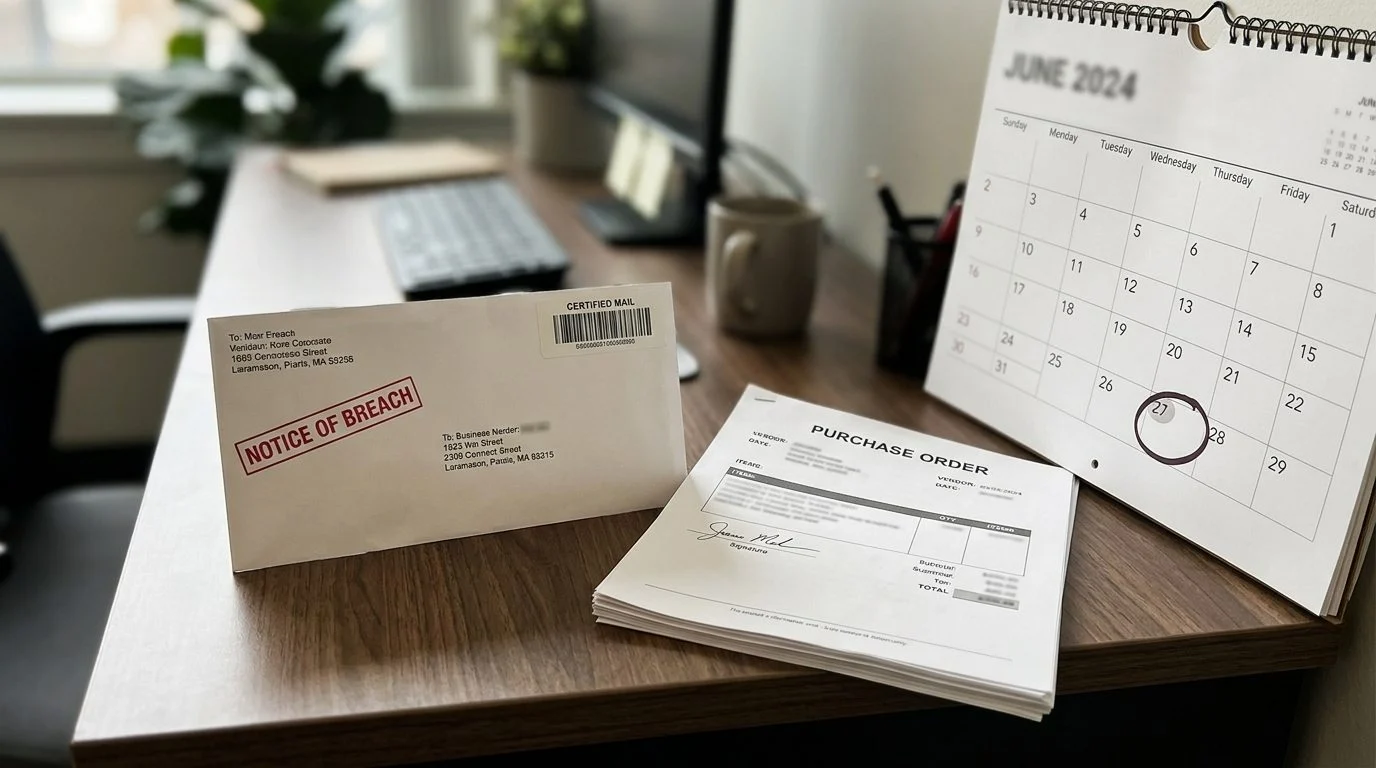
Under Fla. Stat. § 95.11, the time to bring an action founded on the design, planning, or construction of an improvement to real property generally runs from the earliest of the date a temporary certificate of occupancy, certificate of occupancy, or certificate of completion is issued, or the date construction is abandoned if not completed, and in any event the action must be commenced within 7 years after that date. Fla. Stat. § 95.11 reads: “(b) An action founded on the design, planning, or construction of an improvement to real property, with the time running from the date the authority having jurisdiction issues a temporary certificate of occupancy, a certificate of occupancy, or a certificate of completion, or the date of abandonment of construction if not completed, whichever date is earliest; except that, when the action involves a latent defect, the time runs from the time the defect is discovered or should have been discovered with the exercise of due diligence.” Construction claims follow different timing, and the start date can change the answer. This guide explains how long you have to sue a contractor for breach in Florida, in plain terms, so you can plan before time runs out.
The Short Answer: Florida’s General Deadlines for Contract Claims
Florida law sets deadlines for filing lawsuits, and the deadline depends on the type of claim, so it is worth checking timing early. A written contract generally gets five years. An oral contract generally gets four years.
The deadline is about starting a lawsuit. The case must be filed in court within the period. Talks and demand letters are not the same as filing, so track the filing date, not just your last conversation with the contractor.
You also cannot shorten the window by contract. Fla. Stat. § 95.03 makes a contract clause that sets a shorter time to sue void.
If you have been counting the days since a contractor walked off the job or went unpaid, we can talk through your timeline with you. Talk it through with our team — we can walk you through how a situation like yours is usually handled and what your options are.
Written Versus Oral Contracts: Why the Form Matters
The form of the deal affects which deadline applies, so the paperwork matters. A written contract is an agreement you can point to on paper. Examples include a signed proposal, a purchase agreement, or an invoice the other side accepted. An oral contract is a deal made by talking, with nothing signed.
Many construction projects mix the two. You might have a signed scope of work, then agree to extra work by phone. In that case, the question is which terms were actually agreed and how. The label on the document does not settle it alone. The content of the claim matters too.
Oral deals still need the basics. The Florida Supreme Court in St. Joe Corp. v. McIver held that an oral contract still needs an offer, an acceptance, consideration, and enough detail on the essential terms.
Change orders, texts, emails, and notes of phone calls can show what was agreed. Save them now, while the details are fresh.
When the Clock Starts Running
A claim generally starts running when its last element occurs. Florida law generally runs the limitations period from the time the cause of action accrues, which is when the last element constituting the cause of action occurs. In many contract disputes, the breach itself is the event that starts the clock.
Common examples include a missed completion date, defective work the contractor will not fix, a contractor who walks off the job, or a payment that never arrives. Sometimes a termination or a refusal to finish the work is the event that counts. The start date often depends on the facts, including what the contract says and when each side performed.
Write down the key dates now. List the signing date, the start date, each missed milestone, each payment, each written complaint about defects, and any termination. A dated timeline makes a deadline question much easier to answer later.
Construction Timing: Completion, Certificates, and the Outer Limit
For claims founded on the design, planning, or construction of an improvement to real property, the time generally runs from the date the authority having jurisdiction issues a temporary certificate of occupancy, a certificate of occupancy, or a certificate of completion, or the date of abandonment of construction if not completed, whichever date is earliest, and in any event the action must be commenced within 7 years after the date the authority having jurisdiction issues a temporary certificate of occupancy, a certificate of occupancy, or a certificate of completion, or the date of abandonment of construction if not completed, whichever date is earliest. For claims founded on the design, planning, or construction of an improvement to real property, the four-year period generally starts on the earliest of these dates: the issuance of a temporary certificate of occupancy, a certificate of occupancy, or a certificate of completion, or the date construction was abandoned if it was not completed. Latent defects are handled differently, and the time for those runs from when the defect is discovered or should have been discovered with due diligence. Those are a temporary certificate of occupancy, a certificate of occupancy, or a certificate of completion. If the work was never finished, the date of abandonment counts instead.
Hidden defects follow a different start. When a defect is latent, meaning not visible, the time runs from when it was discovered or should have been discovered with due diligence.
There is also an outer limit. In any event, the suit must be commenced within seven years after the certificate or abandonment event. That cap applies even if the defect was found later.
Under § 95.11(3)(b), correcting or repairing completed work performed under a duly issued building permit and certificate of occupancy or completion does not extend the deadline for filing an action over construction within the scope of that permit and certificate. For work done under a duly issued building permit and covered by a certificate, correcting or repairing completed work does not extend the period. For a multi-building project, each building counts as its own improvement.
These construction rules are separate from the general contract periods. Check each project against them.
What You Must Prove in a Breach Claim
Each part needs support, and that support comes from records.
Useful evidence includes the signed contract, specifications, plans, inspection reports, photos of defects, invoices, payment records, and correspondence. Specific records make it easier to show what was promised and what was actually done.
The amount depends on the records, such as repair bids, invoices, and the price of the replacement work.
Watch for one trap. When a written contract covers the same work, an unjust enrichment claim on that work may not succeed. Williams v. Johnson holds that an express contract covering the same subject matter bars that kind of claim.
How strong any claim is depends on the documents in that case. No particular result can be promised.
Other Rules That Can Change the Timeline
Arbitration, partial payments, and related counterclaims can each change how the clock runs. Check the contract for a dispute clause early.
Florida law makes an agreement in a record to arbitrate generally valid and enforceable, as Fla. Stat. § 682.02 provides. The limitations period is also paused while an arbitration over the same dispute is pending, under Fla. Stat. § 95.051.
A payment of part of the principal or interest on a written obligation also pauses the period, under the same section.
Construction lien matters often involve statutory procedures, and the details depend on the facts of each project and the documents involved. Treat a lien deadline as separate from a breach deadline.
Not sure what your next step is?
Talk it through with our team — we can walk you through how a situation like yours is usually handled and what your options are.
What to Gather Before You Contact a Lawyer
Start with the core documents. Gather the signed contract, change orders, proposals, invoices, payment receipts, permits, and inspection records. Keep copies, and store them somewhere safe.
Next, collect the communication record. Include emails, texts, letters, and notes of phone calls. Add the date and the names of the people involved.
Then build the timeline. Include the signing date, start date, milestones, payments, defect reports, any termination or abandonment, and any demand you sent.
If money moved in either direction, list each amount and date. Payment disputes have their own facts, and clear numbers help organize them.
Bring these to your first conversation. A complete file helps the timing get checked quickly.
Talk with Ayala Law PA Early About Your Deadline
If a contractor walked off the job, left defects unrepaired, or went unpaid, the filing date may be closer than it looks. Ayala Law PA focuses on business litigation, commercial litigation, contract disputes, shareholder disputes, construction litigation, real estate litigation, and international trade litigation in Florida courts and arbitration.
The firm serves Tampa, Hillsborough County, Brandon, Riverview, Plant City, Temple Terrace, and the Tampa Bay area. Eduardo A. Maura is the lawyer responsible for this page.
Fee terms are discussed directly with the firm. A matter may be referred to another lawyer or firm if that is appropriate.
How long do I have to sue a contractor in Florida?
For most contract claims, the general periods are five years on a written contract and four years on an oral one. Construction claims can follow different timing.
Does arbitration stop the deadline?
Florida law pauses the limitations period while an arbitration over the same dispute is pending.
Can a contract shorten the time to sue?
No. Florida law makes a contract clause that sets a shorter period to sue void.
If you are counting the days since a contractor walked off the job or went unpaid, call (305) 570-2208 or reach out through our contact page. We can talk through your timeline with you.



