
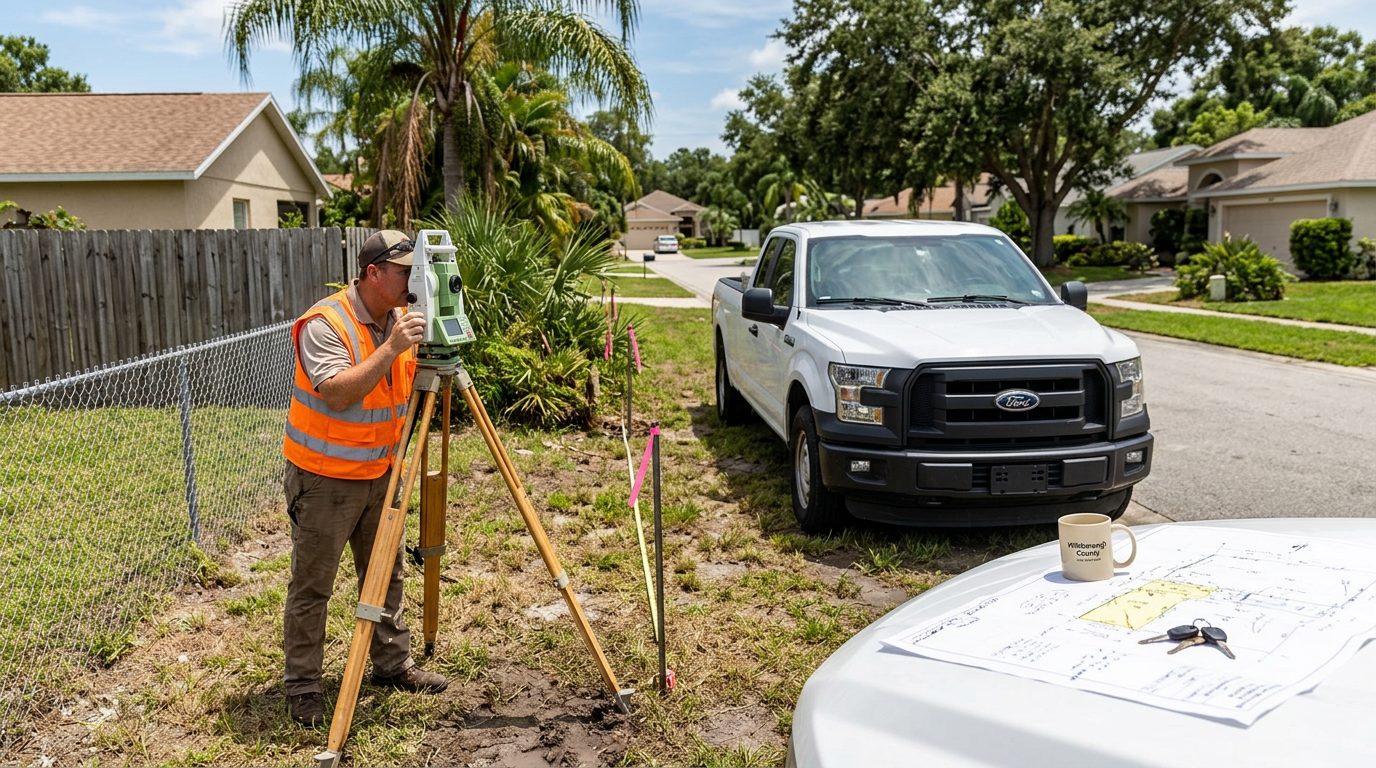
You found a notice on a Hillsborough County property and want to know who filed it. To find out, search the official records kept by the Hillsborough County Clerk of Court and Comptroller, then check the case on the court docket.
That two-step search tells you who recorded the notice and whether the lawsuit behind it is still active. It does not tell you who is right in the dispute. Here is how to do each step, and what to watch for.
What a Lis Pendens Is and Why It Shows Up in Public Records
A lis pendens is a notice that a lawsuit affecting a specific piece of property is pending. It is recorded in the public records of the county where the property sits.
Under Florida’s lis pendens statute, a lawsuit operates as a lis pendens on the property only if a notice is recorded in the official records of that county and has not expired, been withdrawn or been discharged. A suit for specific performance, or one not based on a duly recorded instrument, has no effect on title or on any lien except as between the parties, unless a notice has been recorded and remains in effect. The notice must also not have expired, been withdrawn or been discharged.
That recording is what puts the world on notice. A buyer, lender or title company that searches the property will usually find it. This is why a notice can surface during a sale or refinance, even when the owner never got a letter about the case.
A recorded notice tells you a case exists and touches the property. It does not decide the case or prove who owes money.
If you found a notice like this on property you own, are buying, or are handling for a family member, you don't have to sort it out alone. Call (813) 414-5715 to talk through what it means for your situation. Talk it through with our team — we can walk you through how a situation like yours is usually handled and what your options are.
Where to Search: The Hillsborough County Clerk’s Official Records
The Hillsborough County Clerk of Court and Comptroller keeps the official records for the county. Recorded documents, including lis pendens notices, are filed there.
Start with the property address, the owner’s name, or the parcel number. These are the search points most people use first. If you don’t get a hit, try the owner’s name in a different order, a middle initial, or a business name.
Check the prior owner’s name too. A case may have been filed before the property changed hands, and the notice may still be tied to the old owner.
Write down the instrument number and the recording date. You’ll need both to find the document again and to track it over time.
The clerk publishes a fee schedule for copies and related services. Check the Hillsborough clerk fee schedule before you order certified copies.
How to Read the Recorded Lis Pendens Document
The notice names the party who filed the lawsuit. That party is usually the plaintiff, and the notice often lists the property owner as the defendant.
Look for three key items. The notice should show the court, the case number, and the date the action began or the clerk’s receipt date. Florida’s statute requires these details.
Next, check the legal description and parcel information. Confirm that the description matches your property before you assume the notice covers it. A parcel number that is off by one digit can mean the notice points to a different lot.
Note the recording date. That date starts the clock on how long the notice stays effective, which matters later.
Confirming the Underlying Case in the Hillsborough County Court Records
Use the case number to find the civil case in the Thirteenth Judicial Circuit, which covers Hillsborough County. The docket shows what the case is about and where it stands.
Read the case type and the claims listed. A notice tied to a foreclosure, a contract enforcement action, a construction lien foreclosure, or a quiet title claim each tells you something different about what the case is seeking.
Check the status. Is the case still open, dismissed, or resolved by a final judgment? A notice attached to a closed case may no longer be effective.
Confirm the party names match the people or companies you’re researching. Businesses often use similar names, and a mismatch can send you chasing the wrong case.
Who Usually Files a Lis Pendens and Why
Parties who file a lis pendens are usually plaintiffs in lawsuits that affect title to property or the right to possess it. Common examples include foreclosures, construction lien disputes, and disputes over contracts tied to real estate.
In business settings, the notice often comes from a deal that fell apart. A contractor or subcontractor may have a dispute over payment secured by a construction lien. Co-owners of commercial land may disagree about who controls the property.
Florida’s construction lien rules in Chapter 713 govern many of these lien claims. A lien dispute can support a notice on a property that a contractor’s work touched.
Keep in mind that a recorded notice does not show who did something wrong. It shows only that a party asked a court to act on the property.
Running a Title Search and Tracking the Notice Over Time
A title search lists recorded documents in the property’s chain of title. A title company or closing attorney usually runs one before a sale or loan closes.
Under Florida’s construction lien statute, a claim of lien may remain valid for one year from the date of recording unless the owner shortens that period or legal proceedings are commenced to foreclose or discharge the lien. Separately from the lien’s own one-year period, a notice of lis pendens recorded in the lawsuit has its own deadline under Fla. Stat. § 48.23(2): it is not effectual for any purpose beyond 1 year from the commencement of the action and will expire at that time, unless the pending pleading discloses that the relief sought is founded on a duly recorded instrument or on a lien claimed under part I of chapter 713 against the property, except when the court extends the time of expiration on reasonable notice and for good cause.
The expiration date matters because an extended or still-active notice can still hold up a sale or refinance. Check whether a later order extended the notice.
Track the instrument number, the recording date, and any later filings in the same case. Those records show the notice’s current status, so you can verify it yourself.
Because of that window, a buyer or lender may act quickly once a notice is found.
Disputes like these are often heard in Florida circuit court, and how a case moves forward depends on its specific facts.
Not sure what your next step is?
Talk it through with our team — we can walk you through how a situation like yours is usually handled and what your options are.
When You Have Found a Lis Pendens and Need to Talk Through Next Steps
If you found a notice you didn’t expect, the situation can feel urgent. You may be handling a family member’s property, reviewing a pending sale, or responding to a dispute you didn’t start.
Ayala Law PA handles business litigation, commercial litigation, contract disputes, shareholder disputes, construction litigation, real estate litigation, and international trade litigation. The firm serves Hillsborough County clients from its Tampa office at 1646 W Snow Ave, Tampa, FL 33606. Eduardo A. Maura is the responsible lawyer for this page.
The firm does not offer case evaluations at no charge. Fees, including any charge for an initial evaluation, are explained before any work begins.
Your matter may be referred to another lawyer or firm where appropriate.
Common Questions
Do lis pendens notices expire in Florida?
Generally, yes. Florida’s statute says a notice is generally effective for one year from the start of the action, unless an exception applies.
Can I find a lis pendens without a case number?
Yes. Search the Clerk’s official records by property address, owner name, or parcel number. The notice shows either the date the action was instituted, the clerk’s electronic receipt date, or the case number, so use whichever appears on the notice to check the docket.
Does a lis pendens mean foreclosure?
Not always. A notice can be filed in many kinds of cases, so read the case type on the docket before drawing conclusions.



