
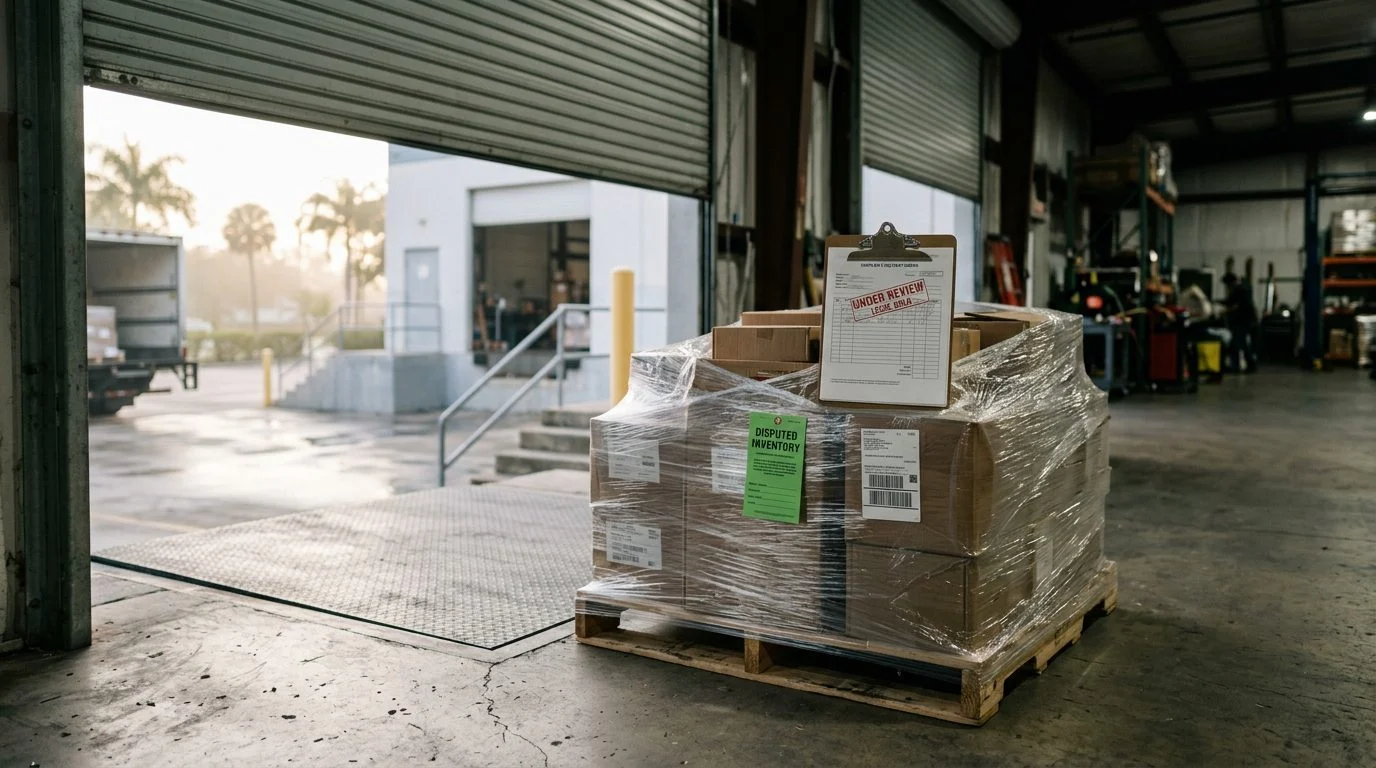
A right of first refusal lawsuit asks a Florida court to enforce a clause that required an owner to offer property to a named party before selling to someone else. If that offer was skipped or handled wrong, the holder may have a breach of contract claim. This page explains how these disputes work, which court tools may apply, and which deadlines to check early.
What a Right of First Refusal Is and Who It Affects
A right of first refusal is a contract right that lets the holder buy property on the same terms as an outside offer. The owner must give the holder a chance to match before selling to the buyer.
These rights show up in several places:
- Commercial leases, where a tenant may get the chance to buy the building.
- LLC operating agreements. Florida law says the operating agreement governs relations among members and between members and the company.
- Shareholder agreements. A shareholder agreement that complies with the statute is effective among the shareholders and the corporation.
- Partnership agreements. Relations among partners are governed by the partnership agreement first.
Tenants, co-owners, partners, members and owners all need to understand this right. Owners should read the clause before listing property, not after an offer arrives.
Two similar terms work differently. A right of first offer usually requires the owner to offer the property to the holder before marketing it. An option to purchase lets the holder decide to buy at a set price. Each one has its own steps, so the exact wording matters.
Florida law generally requires a written instrument to create or transfer a property interest lasting more than one year.
If a commercial property sale is moving toward closing and you think a right of first refusal applies, reach out to our team so we can review your agreement and dates with you. Talk it through with our team — we can walk you through how a situation like yours is usually handled and what your options are.
Common Disputes That Lead to a Challenged Sale
Most challenged sales involve one of a few problems. Knowing these patterns helps you spot a claim early.
- No notice. The seller signs with a third party and never tells the holder.
- Mismatched terms. The holder gets notice at one price, but the buyer’s deal has different financing, a different price or added conditions.
- Short or missed windows. The response period in the agreement is too short, or the holder misses a deadline.
- Restructured deals. The sale moves into a transfer of company interests or a bundle of properties to avoid the clause.
- Waiver or amendment questions. The seller claims the holder gave up the right, or that the agreement changed.
These claims usually fall under contract law. A breach of contract claim seeks damages. A claim for specific performance asks the court to order the property transferred under the right. A claim based only on unjust enrichment may fail when a written contract covers the same subject. Williams v. Johnson opinion
What a Florida Court Looks At and Which Court Tools May Apply
A Florida court starts with the written agreement. It then asks whether notice was required and given, whether the holder had a fair chance to match, and whether the sale followed the contract.
Several court tools may apply:
- Temporary injunction. This asks the court to pause a closing while the case is pending. The party must make its showing to the judge, and no ruling is promised.
- Notice of lis pendens. This is a recorded notice that a lawsuit affects title to the property. It warns future buyers and lenders about the claim.
- Damages or specific performance. The remedy may be money, or an order to transfer the property to the holder.
How a Right of First Refusal Lawsuit Typically Proceeds
A typical case moves from document review to a demand, a filing, discovery and resolution. Each step can change the timing.
- Review. Collect the agreement, amendments, notices, the purchase contract and title records. List every deadline in those papers.
- Demand. Send a written demand or respond to the seller’s notice in a way that protects the holder’s rights.
- Filing. Fla. Stat. § 682.02 The court shall decide whether an agreement to arbitrate exists or a controversy is subject to an agreement to arbitrate.
- Discovery. Both sides exchange documents and communications. These may include messages with the seller, broker and title company.
- Resolution. The case ends in a settlement, a ruling on a motion, or trial.
Timelines vary with the court’s schedule and the case’s complexity, so no timeline can be promised.

Deadlines and Title Issues to Check Early
Deadlines vary by claim type, so check them as soon as you learn of a sale. Florida sets different periods for different kinds of claims.
- Actions on a legal or equitable claim on a contract founded on a written instrument: must be commenced within five years under Fla. Stat. § 95.11(2)(b), except for an action to enforce a claim against a payment bond, which shall be governed by the applicable provisions of paragraph (6)(e), s. 255.05(10), s. 337.18(1), or s. 713.23(1)(e), and except for an action for a deficiency judgment governed by paragraph (6)(g).
- Oral contracts not founded on a writing: four years.
- Recovering possession of real property: Fla. Stat. § 95.11 does not set the filing period for this type of action, because the periods it lists apply to actions other than for recovery of real property.
Review title early. Look for recorded liens, pending judgments and any lis pendens already on the property. Construction-related claims can also touch a sale.
Why Work With Ayala Law PA on Commercial Property Disputes
Ayala Law PA focuses on business and commercial disputes in Florida courts and arbitration. The firm’s work includes:
- Business litigation and commercial litigation
- Contract disputes
- Shareholder and partnership disputes
- Construction litigation
- Real estate litigation
- International trade litigation
Ayala Law PA has a single office, located at 1646 W Snow Ave, Tampa. We serve businesses in Tampa, Hillsborough County, Brandon, Riverview, Plant City, Temple Terrace and the wider Tampa Bay area, and our office is located at 1646 W Snow Ave in Tampa. We maintain our office in Tampa.
Eduardo A. Maura is the responsible lawyer for this page. Some matters may be referred to another lawyer or firm. If that applies to your matter, we will tell you.
Not sure what your next step is?
Talk it through with our team — we can walk you through how a situation like yours is usually handled and what your options are.
Frequently Asked Questions About Pausing a Commercial Property Sale
Can a sale be paused before closing?
A court may consider a temporary injunction or a notice of lis pendens, under its own standards. No ruling is promised.
What if the seller never gave notice?
Missing notice is a common basis for a challenge. Its effect depends on the agreement’s exact terms.
Does a right of first refusal in a lease bind a new owner?
The answer turns on the lease and whether it was recorded or disclosed, so the documents need review.
Can I recover money instead of the property?
A court may award damages or order specific performance, depending on the claim.
Does the firm handle Tampa matters?
Yes. Ayala Law PA represents businesses throughout Tampa Bay from its office at 1646 W Snow Ave, Tampa; the firm has its office in Tampa. We do not have a Tampa office.
Talk With Our Team About Your Property and the Pending Sale
If a sale is moving toward closing and you think a right of first refusal applies, bring your team’s questions to us. Bring the agreement, any notices you sent or received, and the closing date. We will review the documents and timing with you so you understand your options under Florida law. Call (305) 570-2208 or request a case evaluation through our contact page.



