

If your Tampa business just lost a commercial lease or deed lawsuit, the next steps start with the court’s dates. A final judgment can start short clocks for asking a court to reconsider and for filing an appeal. It can also lead to collection steps and liens on property tied to the case.
Below is a plain-language map of what usually follows in Florida courts, from deadlines to the records you should keep.
What a Loss in a Commercial Lease or Deed Case Means for Your Tampa Business
A final judgment is the court’s decision on who wins the lease or deed dispute. It ends the main fight in the trial court and starts the steps that follow. Interim rulings, such as an order on a single motion, usually don’t carry the same weight. Confirming which order is final is a sensible first step before acting on any court decision.
The steps in this guide apply to most commercial lease and deed cases in Florida courts. The exact path depends on the facts of your case, the court that heard it, and what the judgment says.
Ayala Law PA focuses on business litigation, commercial litigation, contract disputes, and real estate litigation. Eduardo A. Maura is the responsible lawyer for this page. The page is produced for the firm’s Tampa office at 1646 W Snow Ave, Tampa, FL 33606, which serves Tampa, Hillsborough County and the Tampa Bay area.
Not sure what your next step is?
Talk it through with our team — we can walk you through how a situation like yours is usually handled and what your options are.
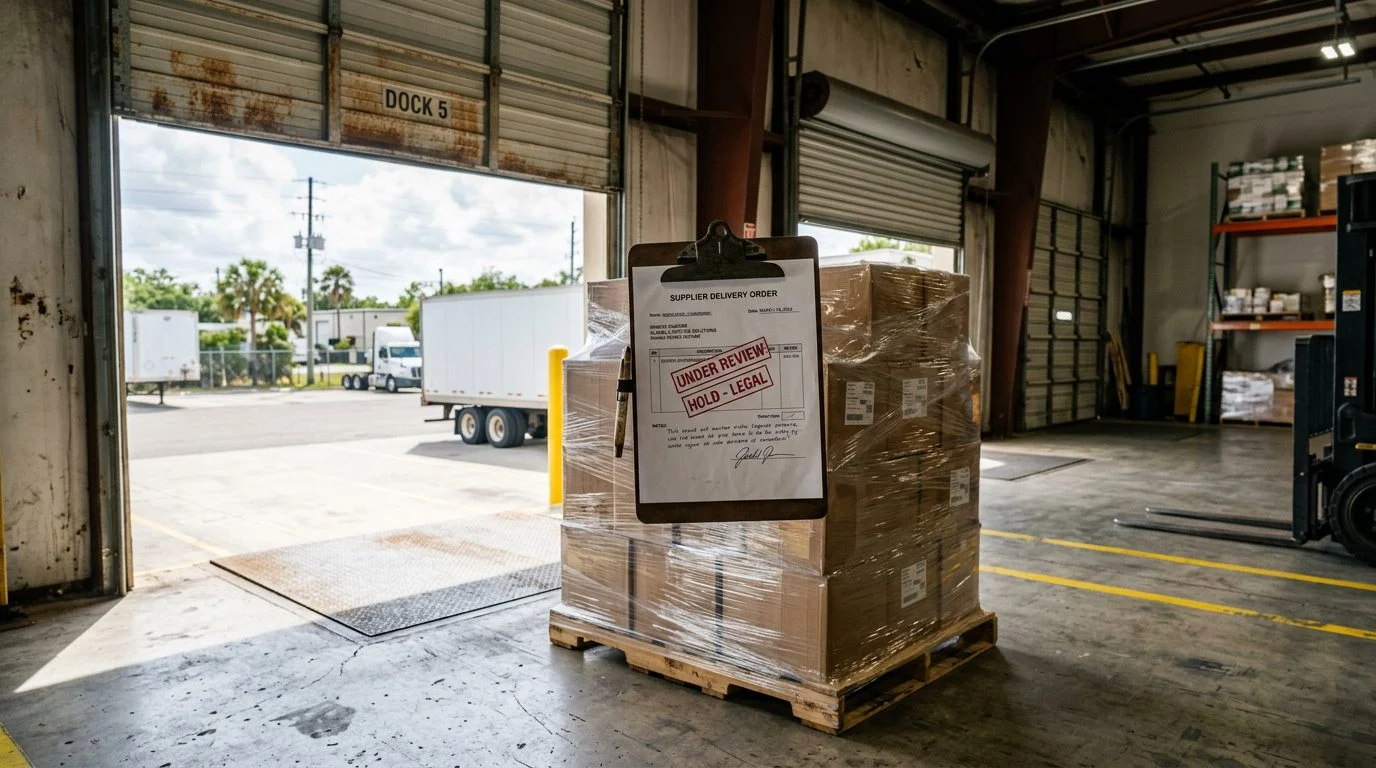
Check the Deadlines First: Rehearing and Appeal Clocks
The first deadlines after a judgment are short, and missing one can end your option to challenge it. Florida’s court rules set these clocks for asking the trial court to reconsider and for filing an appeal. The Florida Rules of Civil Procedure govern how civil cases move through Florida trial courts, including motions after a judgment.
Write down every date on the order the day you receive it. Count from the dates printed on the court’s papers, not from the day someone first read the ruling. Put each deadline on a shared calendar with two reminders.
A common mistake is waiting for a settlement letter from the other side before checking the calendar. Talks can feel like progress, but they don’t replace the dates on the order. Pull the court’s docket and confirm each date yourself.
Options to Appeal and Pause Enforcement of the Judgment
An appeal asks a higher court to review legal errors in the judgment. It is not a new trial where witnesses testify again. The appeal court looks at the record the trial court built, so the record matters.
Questions about pausing enforcement of a judgment depend on the specific facts of the case and the court involved. Confirm those requirements with a lawyer before you count on a pause.
Weigh the trade-offs carefully. An appeal takes time and costs money, and the balance may stay unpaid while it runs. Your business may decide to pay, negotiate a payment plan, or appeal. Each path has its own costs and risks. Ayala Law PA can talk through these choices with you, but no one can promise how an appeal will turn out.
Enforcing or Defending Against Enforcement of a Commercial Judgment
A winning party can collect a money judgment through court process. A judgment can also become a lien on real property. Under Fla. Stat. 55.10, a judgment becomes a lien on real property in a county when a certified copy is recorded in that county’s official records or judgment lien record, whichever is maintained at the time of recording. Fla. Stat. § 55.10 reads: “(1) A judgment, order, or decree becomes a lien on real property in any county when a certified copy of it is recorded in the official records or judgment lien record of the county, whichever is maintained at the time of recordation, provided that the judgment, order, or decree contains the address of the person who has a lien as a result of such judgment, order, or decree or a separate affidavit is recorded simultaneously with the judgment, order, or decree stating the address of the person who has a lien as a result of such judgment, order, or decree.” Fla. Stat. § 55.10 reads: “A judgment, order, or decree does not become a lien on real property unless the address of the person who has a lien as a result of such judgment, order, or decree is contained in the judgment, order, or decree or an affidavit with such address is simultaneously recorded with the judgment, order, or decree.” The judgment must list the lienholder’s address, or an affidavit with that address must be recorded at the same time.
The creditor can extend it for 10 more years by rerecording a certified copy before it expires and, at the same time, recording an affidavit with the creditor’s current address; the lien is not extended unless that affidavit is recorded simultaneously. A lien can also be moved off the property by depositing money or filing a surety bond with the clerk.
Florida law also makes certain property available for collection. Under Fla. Stat. 56.061, lands, goods, and stock in corporations are subject to levy and sale under execution. For a business, that can reach company assets as well as real estate.
Interest keeps running. Under Fla. Stat. 55.03, a money judgment states its interest rate on its face, and that rate accrues until the judgment is paid. The rate is generally adjusted annually on January 1, except for certain clerk-entered judgments under ss. 55.141, 61.14, 938.29, and 938.30, which are not adjusted annually. A written contract’s own interest rate is not changed by this rule.
Time limits matter too. Under Fla. Stat. 95.11, an action on a judgment or decree of a court of record in this state must be commenced within twenty years.
If you are the one facing collection, check the amount, the interest rate, the lien, and the stay status. Confirm that every payment is credited. Put any settlement of the balance in writing.
Clearing the Property Record After a Lease or Deed Loss
A recorded lis pendens can cloud a property’s title while a lawsuit is pending. A lis pendens is a notice, recorded in county records, that a case involves the property. Under Fla. Stat. 48.23, the notice works only when recorded in the official records of the county where the property sits.
That notice generally expires one year after the case begins, unless the relief sought is disclosed by the pending pleading to be founded on a duly recorded instrument or on a lien claimed under part I of chapter 713 against the property involved. The court can extend it for good cause on reasonable notice. The notice can also be withdrawn or discharged. Once the case ends, check the county records and confirm the notice no longer shows as active.
While a valid notice is recorded, a person holding an unrecorded interest or lien may move to intervene within 30 days after the recording of the notice, and the recording constitutes a bar to enforcement against the property unless the court ultimately grants that motion, except for the interest of persons in possession or easements of use. Read that rule closely if your property has other claims on it.
Questions about how a court decision affects property records are fact-specific, and a lawyer can review them with you. In some deed disputes, a separate court action may be needed to correct the title. Ask about that before you assume the judgment alone fixes the record.
What to Preserve Now: Records and Communications to Keep
Keep every document that shows the lease or deed terms and what happened under them. Each later step, from an appeal to a lien dispute, leans on these records.
Start with the signed lease or deed, amendments, rent ledgers, proof of payment, and any notices sent or received. Add surveys, photos, and dated site notes if the property line or its use was in dispute.
Next, gather the case file: the complaint, answer, orders, transcripts, exhibits, and settlement letters. Keep emails, texts, and letters with the landlord, tenant, title company, or other parties. Note the date and sender of each message.
Finally, track money. Save receipts for court costs, bond premiums, and any payments made under the judgment. Under Price v. Tyler, each party generally pays its own attorney’s fees unless a contract or statute provides otherwise. Read the lease for a fee clause before you assume a fee award.
Not sure what your next step is?
Talk it through with our team — we can walk you through how a situation like yours is usually handled and what your options are.

Talk With Ayala Law PA About Your Tampa Commercial Property Judgment
If your business has just lost a lease or deed case and must decide whether to appeal, pay, or respond to enforcement, Ayala Law PA can help you review the judgment and the dates that apply. Call (813) 414-5715 or use the case evaluation form to start the conversation.
Fees are discussed directly with the firm. A matter may be referred to another lawyer or firm, and the firm will tell you if that applies. For more background, read the real estate litigation overview and the commercial lease dispute guide for Tampa.
Frequently Asked Questions
Does filing an appeal stop enforcement in Florida?
Not automatically.



