
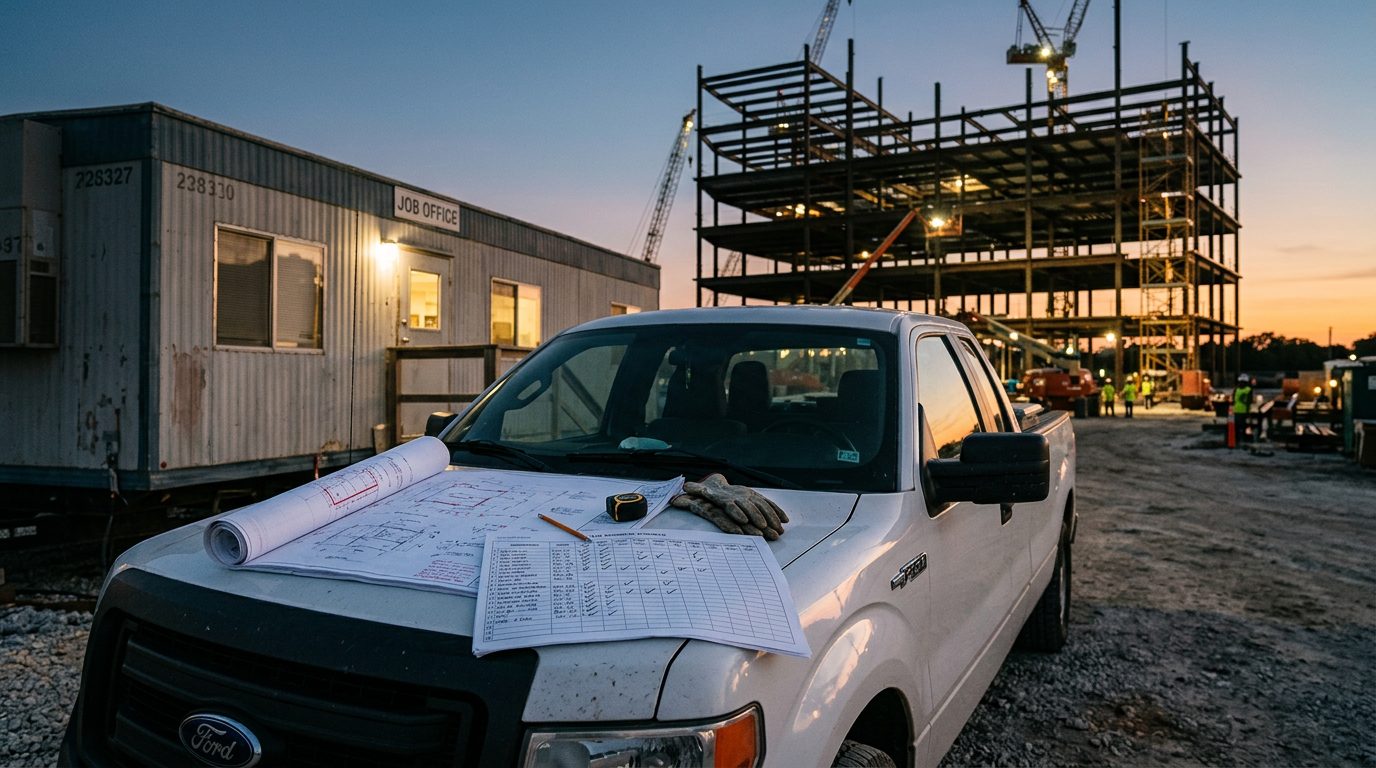
A contractor affidavit is a sworn statement that a contractor signs about the money and bills on a construction project. It lists who has been paid, who is still owed and what work is done. Owners, lenders and title companies often ask for one before they release a payment or close on a property. This guide explains what the document is, where it shows up on Florida projects, and what can go wrong when it isn’t accurate.
What a contractor affidavit is
A contractor affidavit is a written statement made under oath. Most are notarized, so the contractor signs in front of a notary public. The signer swears that the facts in the document are true.
That oath is why the document matters. Owners, lenders and title companies rely on it. They may release money or close a sale because the contractor has said the bills are paid. Construction liens and payment protections on building projects can come up in construction litigation, and the specific facts of each project shape how those issues play out. This page refers to Chapter 713 only for that framework.
The affidavit is a different document from a lien waiver, though both often come up in the same transaction. The affidavit reports the status of the whole project. Both should match the same invoices and payment records.
If you hold a contractor affidavit you don't fully understand, or an unpaid bill on a job you didn't expect to dispute, you don't have to sort it out alone. Talk it through with our team — we can walk you through how a situation like yours is usually handled and what your options are.

Where contractor affidavits come up on Florida projects
Contractor affidavits usually appear in two places: during progress payments and at final payment or closing. Whether one is required depends on the facts of the project, the contract and the parties’ agreements.
During construction, an owner or lender may ask for an affidavit with each draw request. The request confirms that earlier payments reached subcontractors and suppliers before the next payment goes out. Lenders use this check to protect money they have advanced.
At the end of a job, an affidavit often comes with the final payment. An owner or title company may want a sworn statement that no unpaid bills remain that could support a lien. Buyers and lenders at closing sometimes ask for the same thing.
Each party has its own reason. Owners guard against liens, lenders protect their collateral, and general contractors track the subcontract chain beneath them.
What a contractor affidavit usually states
A typical affidavit identifies the project, the property and the parties. It then lists each subcontractor and supplier that furnished labor or materials. For each one, it states the amount paid and any amount still owed.
It also describes the work completed and the payments received under the main contract. The document closes with the contractor’s signature, a notary block and a date.
Every line depends on the records behind it. Before signing, compare each name and figure with invoices, lien waivers, bank records and the signed contract. Ask whether the list also covers lower-tier subcontractors. A name left off the list is an easy error to miss, and it can cause trouble later.
Contractor affidavits and the disputes that follow
An inaccurate affidavit can lead to a lien claim, a payment dispute or allegations of construction contract fraud. Which path applies depends on who was paid, who wasn’t, and what the signer knew.
Unpaid subcontractors and suppliers may pursue lien rights and lien foreclosure in Florida courts. The property itself can become part of that dispute.
Timing is the next issue. Under Fla. Stat. § 95.11, a lawsuit over the design or construction of an improvement to real property must be commenced within four years. The four years run from the earliest of the following: the date the authority having jurisdiction issues a temporary certificate of occupancy, a certificate of occupancy, or a certificate of completion, or the date construction is abandoned if it was never completed. Those dates include when a temporary certificate of occupancy, a certificate of occupancy or a certificate of completion issues, or when construction is abandoned. For a latent defect, the clock starts when the defect is discovered or should have been discovered with due diligence. Even then, the 7-year outer limit applies: the action must be commenced within 7 years after the certificate or abandonment date, whichever is earliest. Counterclaims, cross-claims, and third-party claims arising from the same conduct, transaction, or occurrence may still be commenced up to 1 year after the pleading they relate to is served, even if they would otherwise be time barred.
Fraud claims follow a different clock. Under Fla. Stat. § 95.031, the general rule is that the limitations period starts when the cause of action accrues, which is when the last element constituting the cause of action occurs. Fraud claims follow a different rule under § 95.031(2)(a): the period runs from the time the facts giving rise to the claim were discovered or should have been discovered with the exercise of due diligence. The lawsuit must be filed within 12 years after the fraud was committed, even if the fraud was discovered later.
Some mistakes can be corrected in court. Under Tobin v. Michigan Mutual Insurance Co., a court of equity can reform a written instrument when a mutual mistake means it does not reflect the parties’ true agreement.
Fees can also come into play.
Steps to take when you have been asked to sign one
Start by reading the whole document. List every subcontractor, supplier and amount it names. Then gather the invoices, lien waivers, payment records and the signed contract.
Compare the two sets line by line. Mark anything that doesn’t match, including names you don’t recognize. Ask the person who requested the affidavit, in writing, what it covers.
Ask for corrections before you sign. The document is sworn, so a figure you can’t verify is a figure you shouldn’t sign as true.
Timing matters once a dispute starts, because deadlines under § 95.11 run from specific dates. Whether any claim has merit depends on the facts of the project.
What is a contractor affidavit?
It is a sworn statement by a contractor about payments and bills on a construction project. It is often used in progress draws and at final payment or closing.
Can a contractor affidavit be corrected after it is signed?
A court can reform a written document when a mutual mistake means it doesn’t match the parties’ true agreement. Each case depends on its own facts.
How long do I have to sue over a construction payment dispute?
It depends on the type of claim. Florida’s § 95.11 sets different start dates for construction claims, payment bond claims and latent defects.

Talk with Ayala Law PA about your project
Ayala Law PA focuses on business litigation, including commercial, contract, shareholder, construction and real estate disputes. Its construction litigation covers contractor and subcontractor disputes, lien foreclosure and construction contract fraud. Eduardo A. Maura is the responsible lawyer for this page. The firm’s office is at 1646 W Snow Ave, Tampa, and it serves businesses in Tampa, Hillsborough County and the Tampa Bay area from that office.
Consultations with the firm carry a fee, which the firm explains when you make contact.
If you hold a contractor affidavit you don’t fully understand, or an unpaid bill on a job you didn’t expect to dispute, you don’t have to sort it out alone. Call Ayala Law PA at (305) 570-2208 or request a case evaluation.



