

Short Answer: Yes, a Landlord Can Sue a Business Tenant for Breaking a Commercial Lease
Yes. In Florida, a landlord can sue a business tenant that leaves before the lease ends or stops paying rent. The lease wording and the facts of the case decide how far the claim goes. Section 83.001 of the Florida Statutes provides that this part applies to nonresidential tenancies and all tenancies not governed by part II of this chapter.
A lawsuit is only one option. Many landlords start with a default notice or a written demand for payment. That notice often lists what is owed and what the tenant must do to fix the problem. Read it closely before you respond, because its deadlines can matter.
This page explains the claims a landlord can bring, the lease clauses that change the amount at stake, and the steps a business should take before answering a demand.
If your business is weighing an early exit from a leased space or just received a rent demand, we can talk through the lease with you. Talk it through with our team — we can walk you through how a situation like yours is usually handled and what your options are.
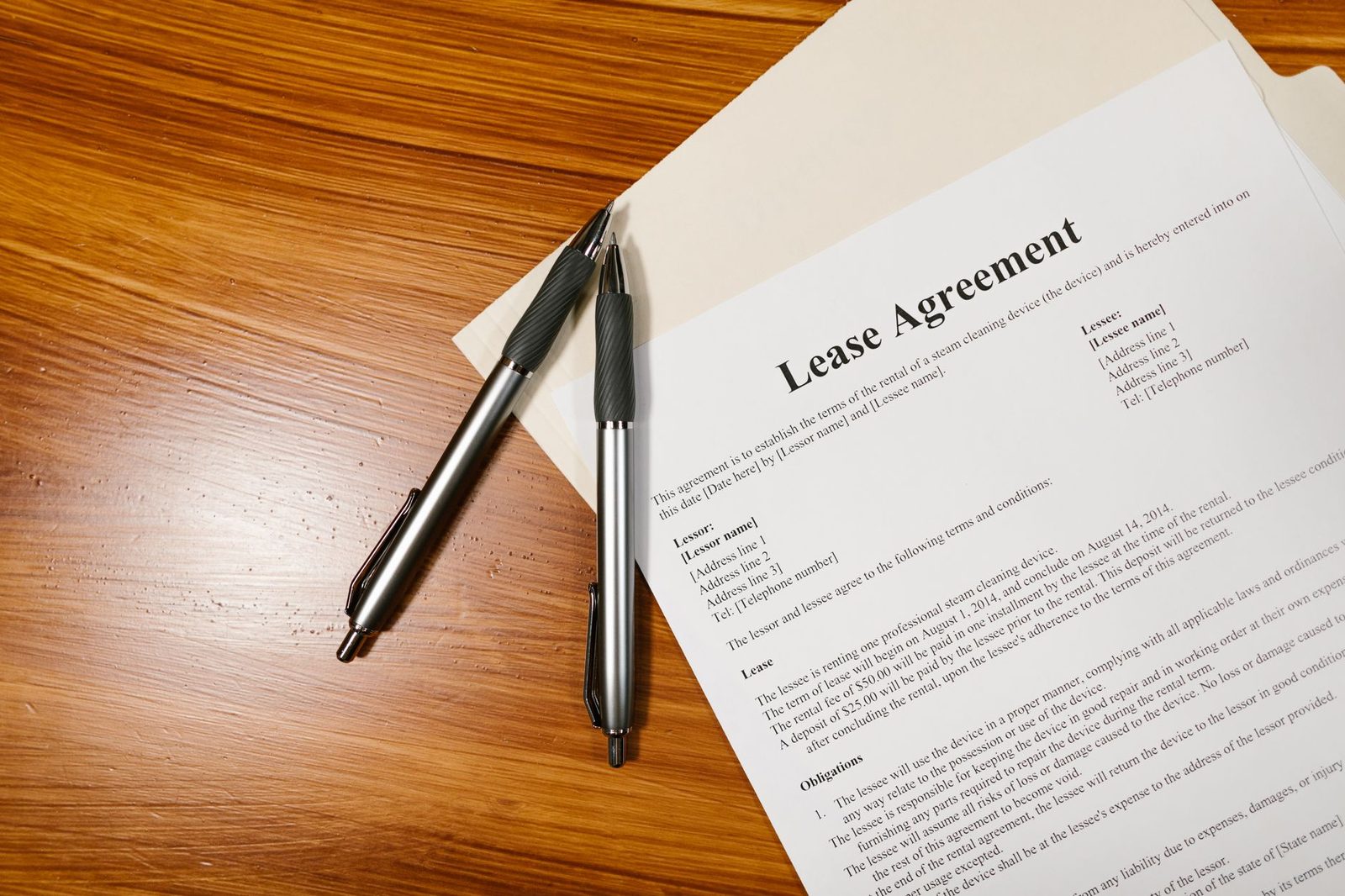
What a Florida Landlord Can Claim After a Business Tenant Leaves Early
A landlord’s first claim is usually for money that was already due. That can include base rent, operating expenses, and late fees, if the lease allows late fees. Compare each line of the demand against the lease. Charges the lease does not support are worth questioning.
Rent for the rest of the lease term is often the largest item. The lease terms and the court decide how that math works.
Landlords may also seek other costs tied to the breach. Examples include unpaid utility bills or repairs that the lease puts on the tenant.
Attorney fees are a separate issue. Under Fla. Stat. § 57.105, if a contract allows fees to a party that must enforce it, the court may also allow reasonable fees to the other party when that party prevails. A fee clause can help the tenant as well as the landlord.
Holding over is a different situation. When a tenant refuses to leave at the end of the lease, Florida law lets the landlord demand double the monthly rent (Fla. Stat. § 83.06). Rent contracts also bear interest from the time rent becomes due, under the same section.
How Acceleration Clauses Change the Amount at Stake
An acceleration clause makes the remaining rent due all at once after a default. Without one, a landlord may have to sue month by month. With one, the landlord may claim the full balance in a single demand. That can raise the total far above the rent already past due.
Read the clause together with the default and notice sections. Many leases require written notice and a cure period before the clause can apply. If the landlord skipped those steps, the demand may be premature. Check the dates against the notice.
The clause may sit in the default section rather than the rent section, so review the whole lease. A court reviews whether the clause is enforceable and how it fits the lease in front of it. Because the outcome turns on the wording, a line-by-line review matters.
How Re-Renting the Space Affects the Amount
Once a tenant leaves, the landlord controls the empty space. The lease often says what the landlord must do about re-renting it, so read that clause first. It shapes how the landlord’s loss is calculated.
When a new tenant signs, that tenant’s rent can reduce what the old tenant owes. Marketing costs, broker fees, and rent concessions for the new tenant can also change the net figure. Ask the landlord for the re-leasing records and a clear accounting of each credit and cost.
A new lease with a different length, square footage, or rent rate changes the math. Compare the terms carefully before accepting a total. A demand that ignores a new tenant’s rent may be overstated, and a demand that leaves out a credit may be incomplete.
Lease Terms That Shape a Business Tenant’s Exposure
Lease structure decides who pays operating costs. In a gross lease, base rent covers most of them. In a net lease, the tenant pays some or all taxes, insurance, and maintenance on top of base rent. A modified gross lease falls somewhere in between. These differences change the amounts a landlord can add to a claim.
Early termination rights, notice periods, and cure periods also matter. A tenant with a termination option must follow its notice steps closely. A missed deadline can leave the tenant responsible for rent.
Security deposits, personal obligations, and liquidated damages clauses change the exposure too. A deposit may be applied to the balance. A liquidated damages clause sets a pre-agreed amount for certain breaches.
Owners of an LLC tenant need to know one rule. Under Fla. Stat. § 605.0304, a member or manager is not personally liable for company debts solely by reason of that role. A personal obligation the owner signed is a separate question, and the signed document controls it.
Assignment and sublease terms matter as well. Transferring the space or subletting it without the landlord’s consent can count as a default, even when rent is current. A lease also cannot cut the time to sue below the statute of limitations. Under Fla. Stat. § 95.03, a contract provision that sets a shorter time to sue is void.
Lawful Ways a Commercial Lease Can End Early
A tenant can leave early without liability when the lease gives a valid termination right and the tenant uses it correctly. These rights usually come with notice steps, dates, or fees. Following each step matters as much as having the right.
If the landlord fails to meet a key lease promise, the tenant may have a claim of its own. The lease’s notice and cure requirements still apply, so the tenant should give the written notice the lease calls for.
Casualty and condemnation clauses may allow termination after major damage to the building or a government taking of the property. Check whether the clause fits the actual event and what steps it requires.
Withholding rent is risky. The lease and the notice history decide whether that right applies. Review both before you hold back a payment, because a wrong move can add to the claim.
Not sure what your next step is?
Talk it through with our team — we can walk you through how a situation like yours is usually handled and what your options are.
What Breaking a Commercial Lease Can Cost in Practice
No single figure fits every lease. The total turns on the remaining rent, the damages and acceleration terms, the landlord’s re-leasing efforts, and any fee clause. Each factor can move the number up or down.
A typical demand has several parts. It may include overdue rent and charges, future rent if the landlord accelerates or claims it, attorney’s fees if the lease or a statute allows them, and court costs. Each line should match a term in the lease or a rule of law.
Interest is another piece. Under Fla. Stat. § 83.06, rent contracts bear interest from when rent becomes due. Judgment interest follows a separate rule. Under Fla. Stat. § 55.03, the Chief Financial Officer sets the judgment rate each quarter. That statute does not change a rate set by written contract.
Sales tax can also change a demand. A demand that adds sales tax on commercial rent to later months may be wrong.
Steps to Take Before Responding to a Landlord’s Demand
Start by gathering the full lease, all amendments, default notices, the rent ledger, and every letter or email with the landlord. Most of the answer sits in these papers.
Next, check whether the landlord sent a proper written notice of default and whether the cure period has run. A landlord that skipped the notice step can weaken its own claim. Our guide on written notice before breach claims covers that step in more detail.
Then consider where a dispute would be heard. Under Fla. Stat. § 47.011, actions must be brought in the county where the defendant resides, where the cause of action accrued, or where the property in litigation is located. If the lease has an arbitration clause, Fla. Stat. § 682.02 says a written agreement to arbitrate is valid and enforceable, except on grounds that exist to revoke any contract.
Mediation works differently for landlord disputes. Under Fla. Stat. § 44.102, a landlord and tenant dispute without a personal injury claim is excluded from mandatory referral. A court may still order mediation on its own.
For the wider contract dispute framework, see the Florida contract disputes guide.
Common Questions
Can a landlord sue a business tenant for breaking a commercial lease in Florida?
Yes. A landlord can sue over unpaid rent and other lease breaches, and the lease wording shapes the claim.
Does a landlord lawsuit have to go to mediation first?
Not always. Florida law excludes landlord and tenant disputes without a personal injury claim from mandatory mediation referral.
Is an LLC owner personally liable for the company’s lease debt?
Florida law says a member or manager is not personally liable for company debts solely because of that role. A personal obligation the owner signed is a separate question.
Talk With Ayala Law PA in Tampa About Your Lease
If your company is weighing an early exit from a leased space, or a rent demand just arrived, you don’t have to sort out the lease alone. Call (305) 570-2208 or reach out through our contact page to describe the lease and the dispute.
Ayala Law PA focuses on business litigation, including commercial litigation, contract disputes, and real estate litigation in Florida courts and arbitration. Fees for a case evaluation are explained during the call, before you decide whether to move forward.
Ayala Law PA works with businesses in Tampa, Hillsborough County, Brandon, Riverview, Plant City, Temple Terrace, and the wider Tampa Bay area, serving them from its only office in Tampa.



