

A notice and cure clause in a Florida business contract requires one party to give written notice of a breach. It then gives the other side a set time to fix the problem before the first party can end the deal or sue. The clause comes from the parties’ own agreement, so its exact wording decides what each side must do.
Owners in Tampa, Hillsborough County, Brandon, Riverview, Plant City and Temple Terrace often see this clause in vendor, subcontract and lease agreements. This page explains how it works and where it can change a dispute. It is general information, not legal advice.
What a Notice and Cure Clause Says
A notice and cure clause has three working parts: a trigger, a notice, and a cure period. The trigger is the event that counts as a breach, such as a missed payment, late delivery or defective work. The notice is the written message that names the problem and the required fix. The cure period is the number of days the other party has to correct it.
Read each part closely. The notice section often states who must receive the notice, how it must be delivered, and where. For a Florida limited liability company, the contract’s notice clause determines where a breach notice must be sent, while Fla. Stat. § 605.0117 governs service of process and other notices that the law requires or permits, chiefly through the registered agent. Use the address the contract names, and keep proof of delivery.
Not sure what your next step is?
Talk it through with our team — we can walk you through how a situation like yours is usually handled and what your options are.
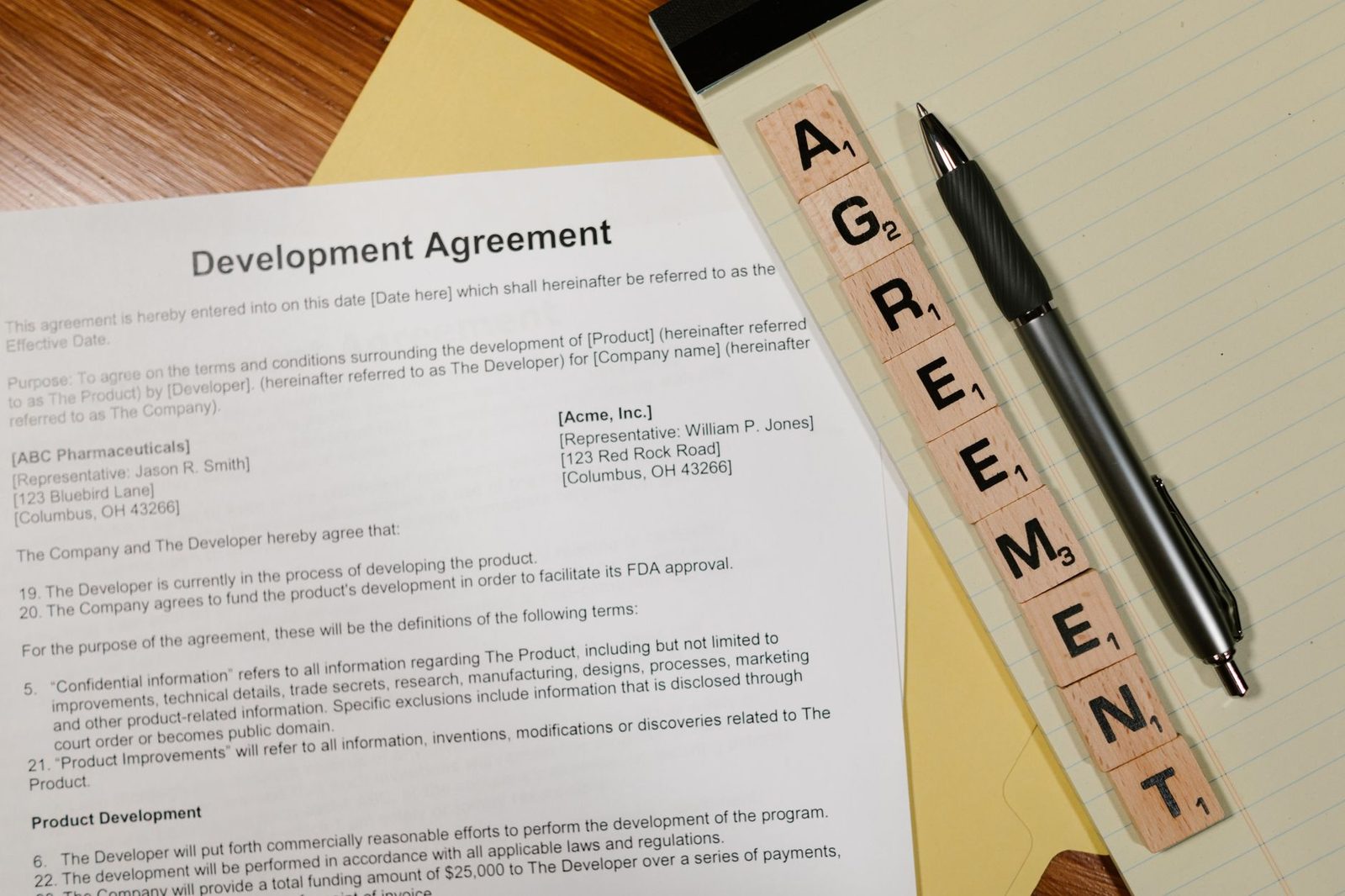
How the Clause Relates to Material Breach in Florida
Whether a particular breach is material or non-material is decided by Florida courts based on the facts and the contract language.
A cure clause can give the breaching party a chance to fix a problem, even one that seems serious. That is why many owners treat the cure window as the key step. Read the clause to see which breaches it covers. Some clauses apply only to payment defaults. Others cover performance failures too. Some carve out breaches such as fraud or repeated defaults, so you may have no cure right for those. Check each carve-out before you rely on the clause.
How the Clause Affects Termination
Usually, the party that wants to end the contract must send written notice, wait out the cure period, and then terminate only if the problem remains. Skipping or botching any step can make the termination challenged as wrongful. That can turn the party ending the deal into the one in breach.
Practical details matter. The notice should identify the breach, state what must be done, and name the deadline. Send it the way the contract requires. Keep the signed copy, the delivery receipt and any tracking record.
Timing matters too. A cure period may run a set number of days from receipt of notice, a number of business days, or until a fixed calendar date. Those are different deadlines, and counting the wrong way can cost you the right to terminate.
For sales of goods, Florida’s commercial code adds its own rule. A buyer that has accepted goods must notify the seller of a breach within a reasonable time after discovering it. Otherwise, the buyer can be barred from that remedy (Fla. Stat. § 672.607).
How the Clause Affects a Lawsuit
A cure clause can work as a step that must come before a lawsuit. Filing too early can give the other side a strong defense, even when the underlying claim has merit.
Expect the other side to argue it fixed the breach inside the window. Courts look at what was actually done, not just what was promised. Disputes over whether the notice was proper or the cure was adequate often turn on documents. Emails, invoices, photos and delivery records can decide these questions, so keep them organized from the start.
Two other rules can shape the fight. First, a contract cannot shorten the time to sue below what the statute allows. Any such term is void (Fla. Stat. § 95.03). Second, if a contract allows attorney’s fees to a party that must enforce it, a court may also allow reasonable fees to the other party when it prevails (Fla. Stat. § 57.105). If the contract requires arbitration, a court may order the parties to arbitrate and may not refuse only because the claim lacks merit (Fla. Stat. § 682.03).
The result of any dispute depends on the contract language and the facts. No clause alone can predict how a case will end.
Common Variations Readers See in Florida Contracts
Most cure clauses follow a few patterns, and small wording changes can shift the outcome. A common sample reads like “seven days after written notice to cure.” That short window often fits payment defaults. Longer periods suit complex work that takes weeks to fix. Some contracts count business days instead of calendar days, which stretches the window.
Other clauses give no cure right for certain breaches. Some let termination take effect automatically if the breach is not fixed. Read those terms closely, because they can end the deal faster than you expect.
Readers often search for a 24-hour cancellation right. Do not assume a 24-hour window applies to a business contract. Check the contract’s own cancellation and termination terms instead.
Florida Notice Terms That Are Often Confused with a Cure Clause
A cure clause comes from your contract, while some Florida notices come from statute. Mixing them up can cost you a right you did not know you had.
A contractual right to cure arises only when the contract provides one, but Florida statutes can create separate notice or cure rights in certain situations, such as a seller’s right to cure nonconforming goods under section 672.508, Florida Statutes, and the notice-and-opportunity-to-repair process for construction defect claims under Chapter 558, Florida Statutes.
If your dispute involves a construction project, ask whether a statutory notice applies in addition to the contract’s terms. Florida construction licensing records can also help you confirm who you are dealing with.
Not sure what your next step is?
Talk it through with our team — we can walk you through how a situation like yours is usually handled and what your options are.
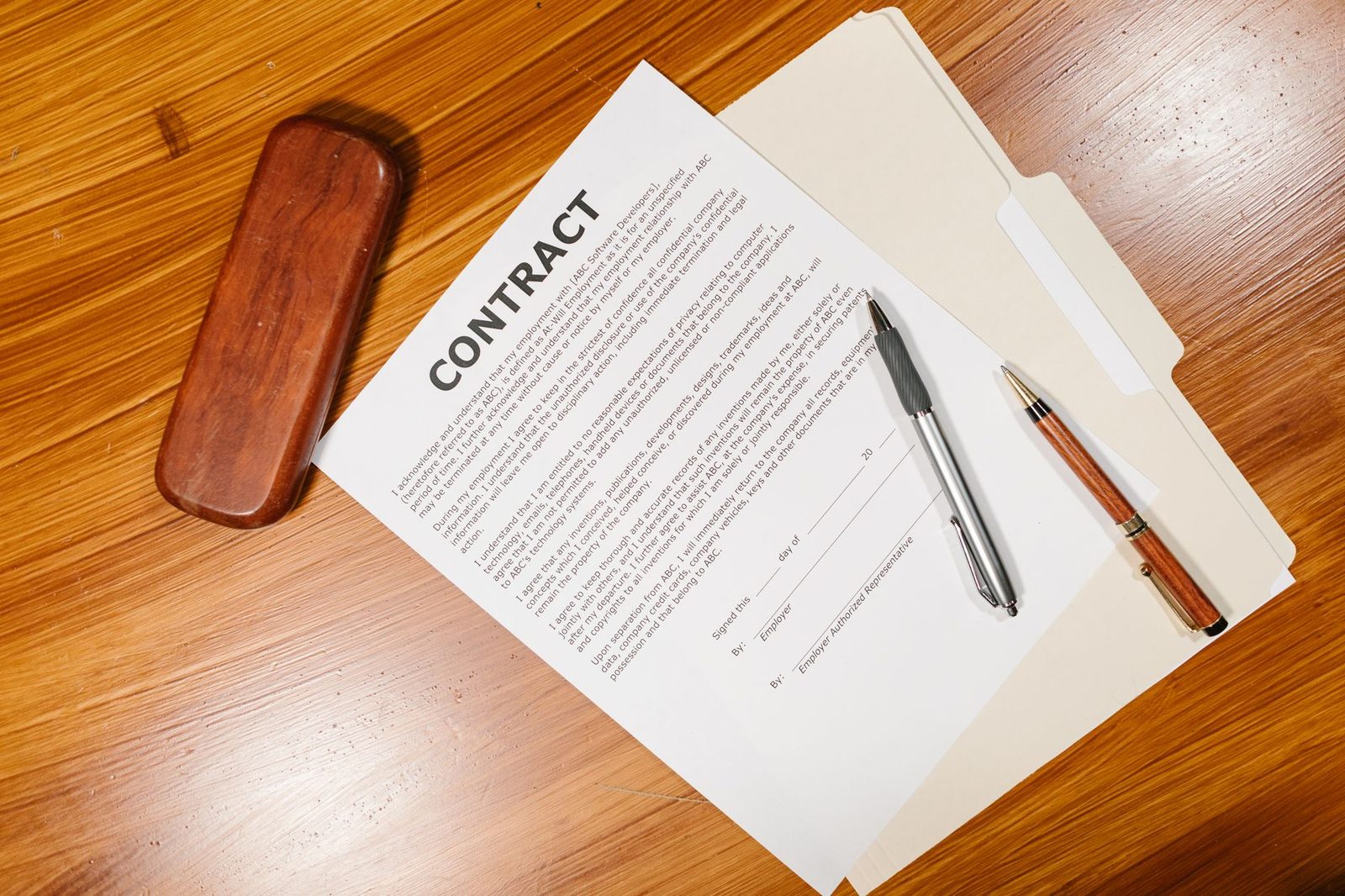
Reviewing a Notice and Cure Clause in a Florida Business Contract
Before you send or answer a breach notice, check five things. Look at the trigger, the recipient and address, the delivery method, the cure period and its start date, and any carve-outs. Missing one can undo an otherwise valid termination.
Keep every notice, every response and every proof of delivery in one file. Date each step. If the other side claims it never received something, your records answer the question.
Deadlines in these disputes can run quickly. If you have received a breach notice or are about to send one, speak with a lawyer promptly rather than waiting for the cure period to end.
Frequently Asked Questions
What is a notice and cure clause in a Florida business contract?
It is a contract term that requires written notice of a breach and a set time to fix the problem. The other party must have that chance before the first party can terminate or sue.
Does a notice of breach have to be in writing?
Most clauses require it. The contract sets the required form and delivery method.
Can a contract shorten the time to file a lawsuit in Florida?
No. A contract term that sets a shorter time to sue than the statute allows is void.
Is a Notice to Owner the same as a cure notice?
No. A Notice to Owner comes from Florida’s construction lien law. A cure notice comes from the contract.
If you’ve received a breach notice under a Florida contract, or you’re weighing whether to send one, contact Ayala Law PA at (305) 570-2208 to talk through your agreement. Clients in Tampa, Hillsborough County, Brandon, Riverview, Plant City and Temple Terrace are served from the firm’s only office, located at 1646 W Snow Ave in Tampa, Florida. Eduardo A. Maura is the responsible lawyer for this page.



