
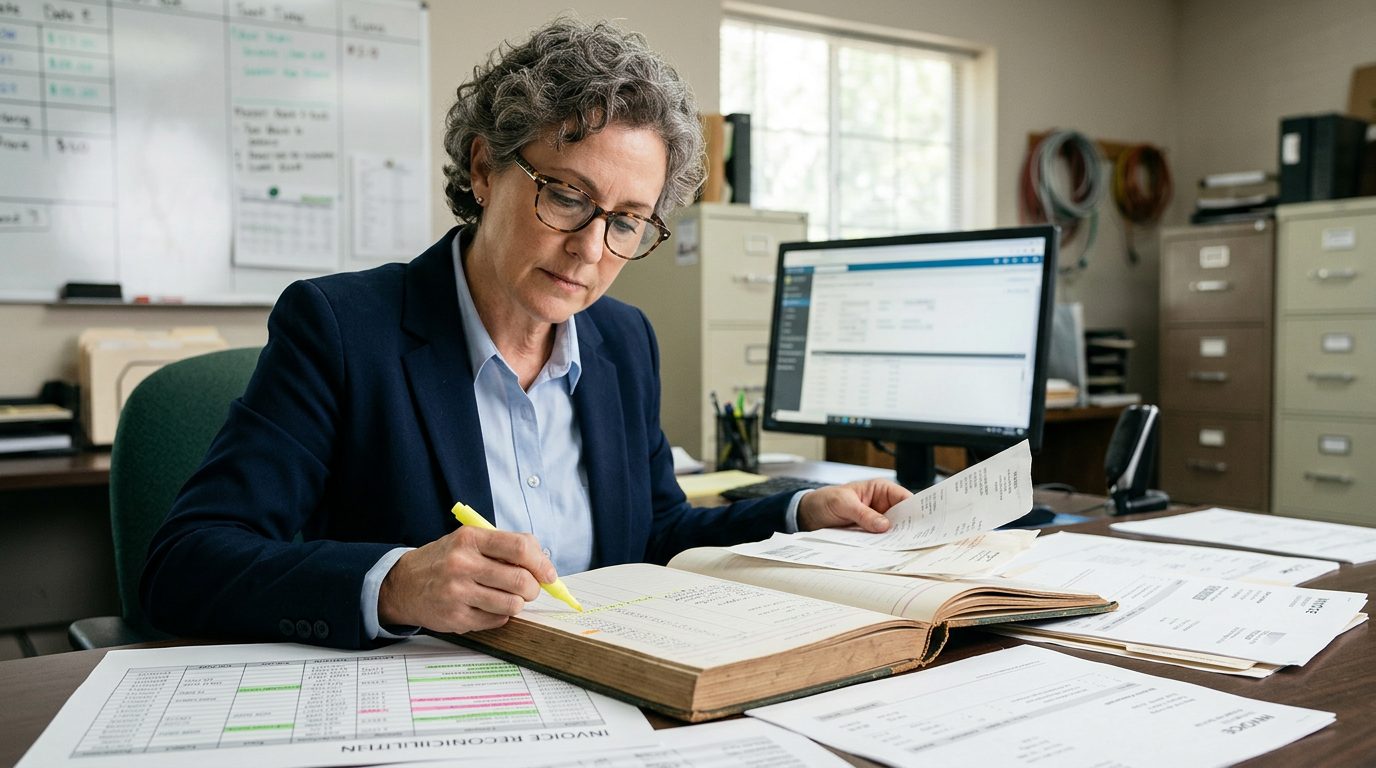
A payment bond claim lets an unpaid subcontractor or sub-subcontractor pursue payment through the bond on a Florida public construction project. Florida’s time limits are strict, so acting early matters. This page explains how these claims work, which dates to watch, and how Ayala Law PA can help you decide your next step.
What Is a Payment Bond Claim on a Florida Public Project?
A payment bond claim is a claim to collect unpaid labor, services, or materials from the payment bond on a public job. A surety company issues the bond and stands behind the contractor’s bond obligations. Florida’s limitations statute sets its own timing rules for claims against a payment bond.
Florida law addresses the time limits for these actions in § 95.11, Florida Statutes. Private projects work differently. If you’re unsure whether your job is public or private, check the project records before you act.
If an unpaid balance on a public job has your business stuck, our team can review your bond, invoices, and notices with you so you know where your claim stands. Talk it through with our team — we can walk you through how a situation like yours is usually handled and what your options are.
Who This Page Is For
This page is for businesses owed money on a Florida public construction project. It’s most useful if you are:
- A subcontractor or sub-subcontractor who finished work and has not been paid.
- A business owner who received a demand, a nonpayment notice, or a dispute letter and needs to know where things stand.
- A company holding invoices, delivery tickets, change orders, or a written subcontract that you want reviewed.
- A business in Tampa, Hillsborough County, Brandon, Riverview, Plant City, Temple Terrace, or elsewhere in the Tampa Bay area weighing a claim now.
Early action helps. Gathering your records now makes it easier to check your dates later.
What Ayala Law PA Handles in Bond and Construction Disputes
Ayala Law PA handles construction litigation, including contractor and subcontractor disputes and lien foreclosure. For a payment bond claim, the work typically includes:
- Reviewing your subcontract or purchase order, the prime contract, and project records.
- Mapping the dates that control each step.
- Presenting your claim to the contractor and surety and tracking their responses.
- Filing suit when a claim cannot be resolved.
- Handling related contract disputes in Florida courts and arbitration.
Arbitration can matter here. A written agreement to arbitrate is generally valid and enforceable, and a court decides whether that agreement exists.
The firm’s practice areas include business litigation, commercial litigation, contract disputes, shareholder disputes, construction litigation, real estate litigation, and international trade litigation. Fees are discussed before any engagement, and we explain any costs you may owe, such as filing or service fees.
How a Payment Bond Claim Works: Steps and Timing
Most claims follow five steps: gather records, confirm dates, send written notice, pursue payment, and file suit if needed. Each step builds on the one before it, so missing records or dates can slow the whole claim.
- Gather your records. Pull the subcontract or purchase order, invoices, delivery tickets, change orders, pay applications, and every written notice you sent or received.
- Confirm your dates. Under § 95.031, Florida Statutes, a cause of action accrues when its last element occurs. For payment bond actions, § 95.11 runs the time from the last furnishing of labor, services, or materials, or from the contractor’s last furnishing if it is the bond principal on the same project, whichever is later. For public construction projects in Florida, section 255.05, Florida Statutes, contains notice and suit deadlines specific to payment bond claims, and those deadlines can differ depending on whether the claimant contracted directly with the contractor, so a sub-subcontractor should read section 255.05 alongside section 95.11 and confirm which time limits apply to its claim before any of them run.
- Send written notice and demand. Put the amount owed, the work covered, and your dates in writing to the contractor and the surety.
- Allow time for a response. Negotiation may resolve the balance. If it doesn’t, the claim may move toward a lawsuit.
Why Work With Ayala Law PA on Your Claim
Ayala Law PA focuses on business litigation, contract disputes, and construction litigation in Florida courts and arbitration. Eduardo A. Maura is the lawyer responsible for this page.
- Office location: The firm’s only office is at 1646 W Snow Ave, Tampa, Florida. Tampa and Hillsborough County businesses are served from the firm’s Tampa office. The firm does not have a Tampa office.
- Support staff: Our team handles intake, document organization, and deadline tracking, so your records stay in one place.
- Referrals: Some matters may be referred to another lawyer or firm.
Common Questions About Payment Bond Claims
How long do I have to file a payment bond claim?
It depends on your project dates and the facts of your claim. Florida’s timing rules for these actions are in § 95.11, so check your dates against that statute right away.
Does the clock start when the project ends?
Not automatically. Under § 95.11, the time runs from the last furnishing of labor, services, or materials.
Is a payment bond claim the same as a construction lien?
A bond claim is made against the surety’s bond on a public project.
Can a dispute go to arbitration instead of court?
Sometimes. Under § 682.02, a written arbitration agreement is generally enforceable, and the court decides whether one exists.
Not sure what your next step is?
Talk it through with our team — we can walk you through how a situation like yours is usually handled and what your options are.
Next Steps: Talk With Ayala Law PA About Your Claim
If unpaid work on a public job has your business stuck, the next step is to gather your records and contact us. Because your dates matter, reviewing them sooner gives you more room to act.
Bring your subcontract or purchase order, invoices, delivery tickets, and any notices. Call (305) 570-2208 or send a request through our contact form for a case evaluation. Our team will review your records with you and explain the options for your claim.



