
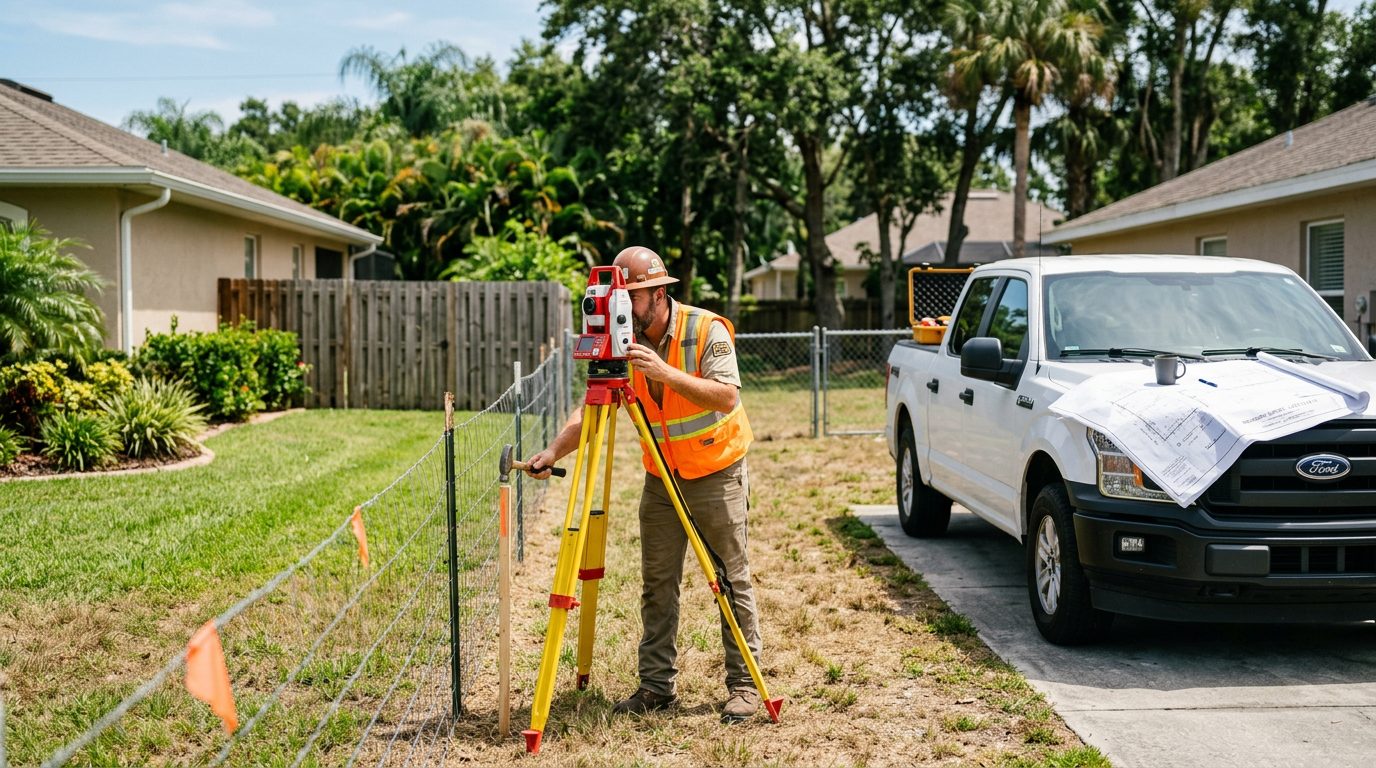
A property dispute is a disagreement over who owns, controls, uses or can transfer real estate or an interest in it. In Florida, common examples include neighbor fights over fence lines, disputes over driveways and access routes, title problems in a deed, trouble with a real estate sale, and construction liens on a building.
If you’re reading this, you may be dealing with one of these situations for yourself, a family member or a company. This page covers the main categories and the Florida rules that often shape them. Ayala Law PA focuses on business litigation, including real estate and construction disputes.
What a Property Dispute Is and Who Gets Involved
A property dispute is a disagreement about rights to land, a building or an interest in either. The people involved are often owners and co-owners, neighbors, buyers and sellers, developers, contractors, lenders and business entities such as LLCs and partnerships.
Most property disputes are civil disputes. They’re usually handled through negotiation, a written demand letter, mediation, arbitration if the parties agreed to it, or a lawsuit. Which path fits depends on the facts.
One dispute often has two sides. A question about who owns a strip of land can sit next to a contract question about whether a seller kept a promise. Courts can hear both claims in the same case.
If a fence, driveway, deed or lien notice has put your property in question, you don't have to sort it out alone; reach out to Ayala Law PA to talk through your facts. Talk it through with our team — we can walk you through how a situation like yours is usually handled and what your options are.
Boundary and Encroachment Disputes
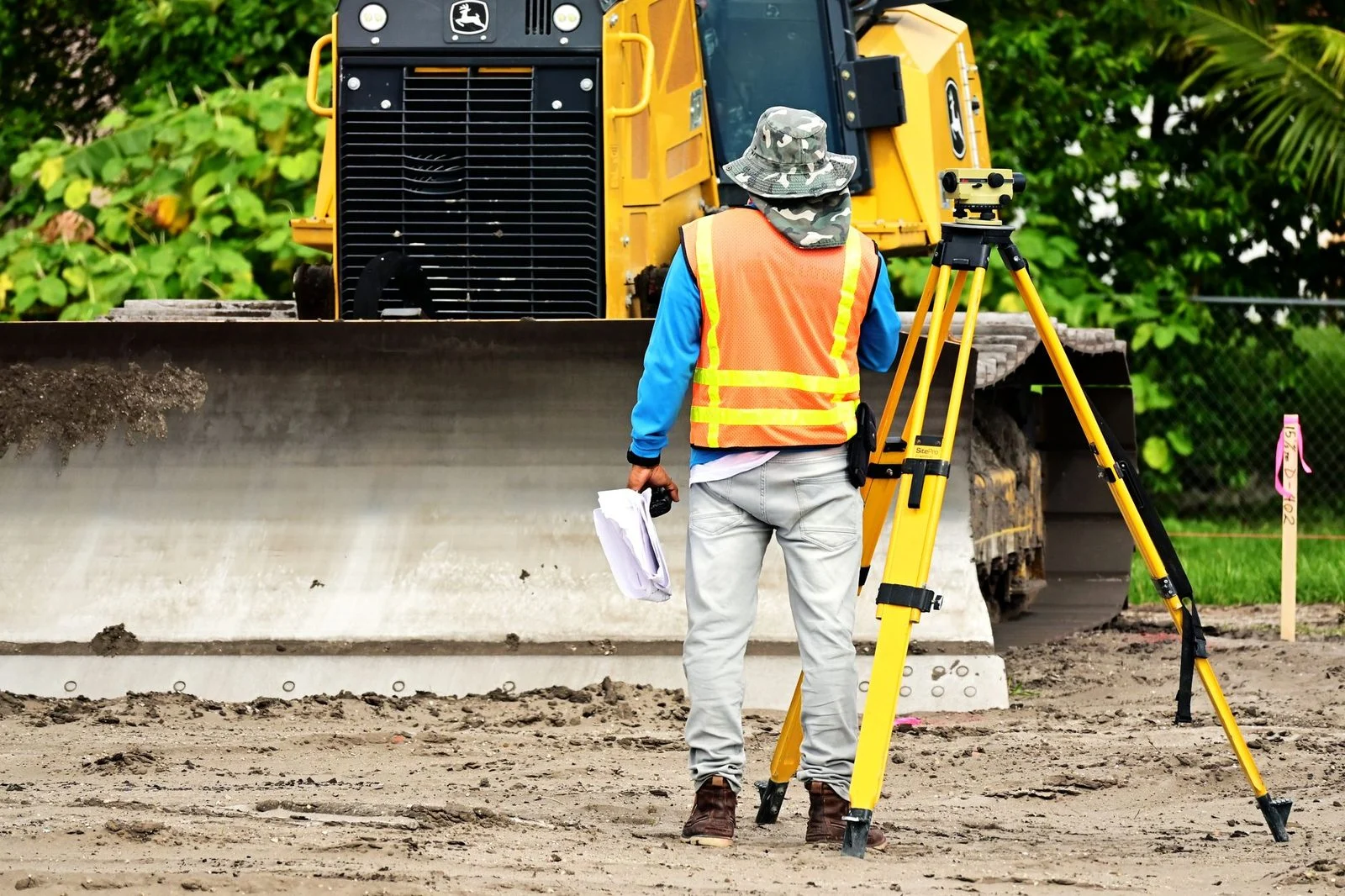
A boundary dispute is a disagreement about where one property ends and the next begins. An encroachment happens when a fence, wall, driveway or other structure crosses that line.
Common examples include a fence built a few feet onto a neighbor’s lot, a garage or driveway that extends past the recorded line, or a shed or landscaping that crosses onto the next parcel.
The recorded legal description, plat and survey usually show where a line sits. An old or inaccurate survey can start a fight before anyone moves a fence.
Disputes often surface when a neighbor orders a new survey, when an owner refinances or sells, or when a new owner questions a fence that has stood for years. Written agreements between owners, such as a note about moving a fence, can matter as evidence. Waiting can be costly, because Florida sets time limits on land claims.
Easement and Access Disputes
An easement dispute is a disagreement over who may cross or use part of someone else’s land, and for what purpose. Examples include a shared driveway used beyond what the owners agreed, a blocked right-of-way, a drainage easement blocked by new construction, or a landlocked parcel with no clear route to a road.
Easements can come from different sources. An express easement is written into a deed or recorded document. Other easements can arise from long-standing use, and those claims are often harder to prove. Courts often look at the recorded papers and at how the land was actually used.
Disputes often grow when the owner of the land that carries the easement changes. They also grow when a business expansion adds heavy truck traffic across a shared route. A use that seemed minor for years can suddenly become the center of a case.
Title, Ownership and Quiet Title Disputes
A title dispute asks who legally holds ownership of a parcel. Examples include a deed with a wrong legal description, a missing signature, an unrecorded transfer, two people claiming the same parcel, or a former partner or heir claiming an interest.
Florida generally requires transfers of real estate interests to be in a signed writing. Leases of real property are excepted from the witness requirement.
Some errors are honest mistakes. In the Waterside at Boynton decision, the court described a mutual mistake as one where the parties agree to one thing, but a scrivener’s error or inadvertence makes the written document say something different.
Adverse possession claims need more than time. Under § 95.12, no action to recover real property may be maintained unless the person seeking recovery, or the person’s ancestor, predecessor, or grantor, was seized or possessed of the property within 7 years before the action began. A quiet title action asks a court to settle competing claims to a property.
Real Estate Contract and Sale Disputes
Most sale disputes turn on what the signed contract says. Examples include a closing that fell apart, a fight over earnest money, a seller’s disclosure that proved wrong, an unpaid repair credit, or a contingency that was never met.
Commercial examples include a dispute over an option to buy, a joint venture or partnership that owns real estate, or co-owners who disagree about selling or refinancing. Contract deadlines and any fee clause often shape which options are open.
Oral deals create their own problems. In St. Joe Corp. v. McIver, the Florida Supreme Court said an oral contract still needs offer, acceptance, consideration and enough detail on essential terms. In DK Arena, Inc. v. EB Acquisitions I, LLC, the court held that promissory estoppel can’t be used to get around the Statute of Frauds.
Contract terms also have limits. Under § 95.03, a contract clause that sets a shorter time to sue than the statute of limitations is void.
When a written contract covers the same deal, a side claim often fails. In Williams v. Johnson, the court said claims arising from an express contract covering the same subject matter will not support a claim for unjust enrichment.
Construction-Related Property Disputes
Construction disputes on property often start with money. Examples include a contractor or subcontractor who isn’t paid for work on a building, a fight over whether the work was finished or done properly, or an owner who gets a lien notice after a payment disagreement.
Lien matters often depend on the specific facts of each project and the paperwork involved. Lien foreclosure is a court action to enforce a lien against the property.
Time limits matter here too. Under § 95.11, an action founded on the design, planning or construction of an improvement to real property falls in the four-year category. The period generally runs from the earliest of a temporary certificate of occupancy, a certificate of occupancy, a certificate of completion, or abandonment of unfinished construction. For a latent defect, the clock starts when the defect was or should have been discovered with due diligence. The statute also sets a seven-year outer limit.
Not sure what your next step is?
Talk it through with our team — we can walk you through how a situation like yours is usually handled and what your options are.
How Property Disputes Are Commonly Resolved and Next Steps
Property disputes are usually resolved through negotiation, mediation, arbitration or a lawsuit. Florida law shapes each path.
Mediation. Under § 44.102, a court must, on one party’s request, refer a filed civil action for monetary damages to mediation. Fla. Stat. § 44.102 provides that a court, under rules adopted by the Supreme Court, must, upon request of one party, refer to mediation any filed civil action for monetary damages, provided the requesting party is willing and able to pay the costs of the mediation or the costs can be equitably divided between the parties, unless an statutory exception applies. Under Fla. Stat. § 44.102, some actions are excluded from mandatory mediation referral, such as an action filed for the purpose of collecting a debt.
Arbitration. Under § 682.02, an arbitration agreement in a record is generally valid and enforceable. Fla. Stat. § 682.02 provides that an agreement contained in a record to submit to arbitration any existing or subsequent controversy arising between the parties to the agreement is valid, enforceable, and irrevocable except upon a ground that exists at law or in equity for the revocation of a contract. Under § 682.03, a court that finds an enforceable agreement orders arbitration, and it may not refuse because the claim lacks merit.
Under § 47.011, actions must be brought in the county where the defendant resides, where the cause of action accrued, or where the property is located, but this rule does not apply to actions against nonresidents.
Ayala Law PA focuses on business litigation, including real estate and construction disputes, for businesses and property owners in Hillsborough County and the Tampa Bay area. The firm’s office is at 1646 W Snow Ave, Tampa, Florida. Responsible lawyer: Eduardo A. Maura. Fees for case evaluations are discussed when you contact the firm.
If a fence, driveway, deed or lien notice has put your property at risk, you don’t have to sort it out alone. Reach out to Ayala Law PA by calling (305) 570-2208 or through the contact page to talk through your facts.
Frequently asked questions
The case must be filed in a county allowed under Florida’s venue rule.



