
What does it mean when property is in litigation? It means a lawsuit is pending that involves the land or the rights tied to it. A court may decide who owns the property, who can use it, what it is worth, or what must happen to it.
Being in litigation describes where a dispute stands. It does not mean anyone has been found at fault. This guide explains what that status means for owners, buyers, sellers, and business owners in Hillsborough County and the Tampa Bay area.
What does “property in litigation” mean in simple terms?
Property in litigation is real estate that is part of a pending lawsuit. The land may be the main issue, or it may be caught in a larger fight.
The property does not have to be the target of the suit. A dispute between business partners, a contractor and an owner, or two neighbors can still reach the land. The case attaches to the property because the claim depends on it.
The phrase describes a status, not a finding. It tells you a dispute is in court. It does not tell you who is right or predict how the case will end.
If a lawsuit now touches a property you own, plan to buy, or manage, you don't have to work through the notices and deadlines alone. Our team can review your situation with you. Talk it through with our team — we can walk you through how a situation like yours is usually handled and what your options are.

How does a lawsuit affect ownership, title, and the right to use the property?
A lawsuit can cloud title. That means the record of ownership stays uncertain until the case is resolved. Anyone reviewing the property sees an open question.
The owner often keeps the property while the case is pending. But the owner may face limits on selling, refinancing, or changing how the property is used. The court’s orders control what happens next. An order may restrict use, require a sale, or award possession to one side.
Can you sell property that is in litigation?
Sometimes, yes. A pending case makes a sale harder, though. Buyers and title companies review the claim before closing, and a title issue can stall the deal. Any transfer must still follow formal rules. Florida law generally requires that an estate or interest in real property, or a term of more than 1 year, be created or transferred by a written instrument signed in the presence of two subscribing witnesses. The statute excepts wills and transfers by operation of law, and it does not require subscribing witnesses for a lease of real property. Fla. Stat. § 689.01 sets out these requirements. Leases are an exception to the witness requirement only: no subscribing witnesses are required for a lease of real property.
How does a lis pendens notice show a case in the public records?
A lis pendens is a notice recorded in the public records that a lawsuit is pending over a property. It tells the public that a claim against the land exists.
The notice is recorded with the county clerk. In Hillsborough County, that means the Clerk of Court’s official records. Buyers, lenders, and title companies look there first. The notice warns them that they take the property subject to the outcome of the case.
A notice is a signal, not the full story. It shows a case exists. To learn what the dispute is about, you need to read the complaint and the court docket.
A recorded judgment works differently. Under Fla. Stat. § 55.10, a judgment becomes a lien on real property in a county once a certified copy is recorded there, with the lienholder’s address. Fla. Stat. § 55.10 provides that a judgment, order, or decree becomes a lien on real property in a county once a certified copy is recorded in that county’s official records or judgment lien record (whichever is maintained at the time of recordation), but only if the judgment, order, or decree contains the address of the person holding the lien or an affidavit stating that address is recorded at the same time; when the certified copy is first recorded on or after July 1, 1994, the judgment, order, or decree is a lien in that county for an initial period of 10 years from the date of the recording.
Which common disputes put real estate into litigation?
The most common disputes involve boundaries, title, construction, sale or lease terms, and hidden defects. Each one turns on the facts and the documents involved.
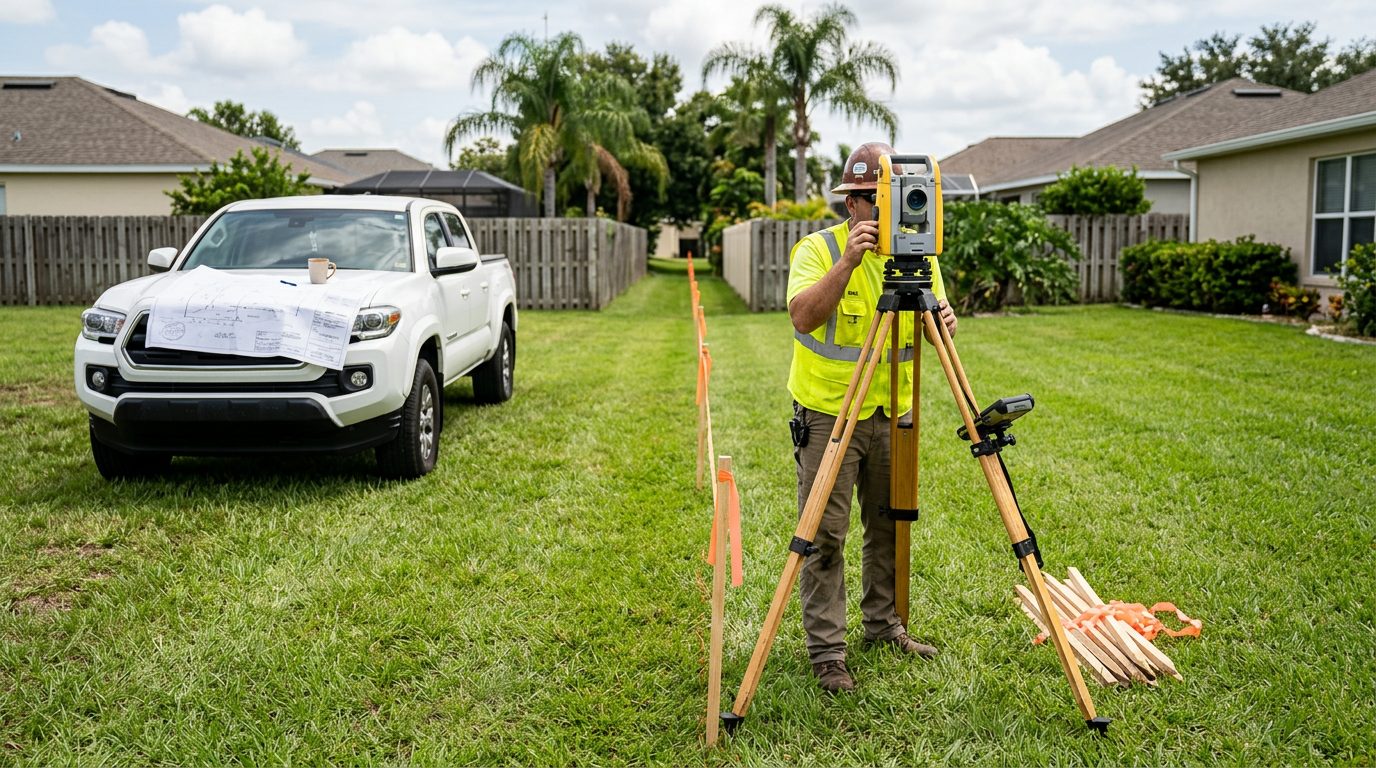
Boundary disputes often involve survey lines, fences, or easements between neighbors. The survey and recorded documents usually matter most.
Title problems include competing ownership claims, errors in the chain of title, and disputes over recorded liens. Any of these can lead to a suit to settle who holds the property.
Construction disputes involve payment, workmanship, and construction liens. Deadlines for construction claims depend on the facts of each project and can turn on several different start dates, so timing should be reviewed for your specific situation. Pinellas County’s lien guidance covers who may enforce a lien, Notice of Commencement requirements, and lien releases and waivers.
Broken purchase, sale, or lease agreements, landlord-tenant fights, and failure to disclose known defects also lead to suits.
Does litigation always mean going to court?
No. Litigation is the general term for resolving a dispute through the legal system. A case can move through filings, document exchanges, and motions. It can also end by settlement before trial.
Some contracts send disputes to arbitration. Under Fla. Stat. § 682.02, a written agreement to arbitrate is valid, enforceable, and irrevocable, except on a ground that exists to revoke a contract.
Courts may also send cases to mediation. Under Fla. Stat. § 44.102, a court must refer a filed civil action for monetary damages to mediation on one party’s request, provided the requesting party is willing and able to pay the costs of the mediation or the costs can be equitably divided between the parties, unless an exception applies. Agreeing to binding arbitration is one exception.
The settlement-offer deadline in § 45.061 does not apply to every claim: the statute excludes causes of action that accrue after its effective date, and it also does not apply to any class action or shareholder derivative suit or to matters relating to dissolution of marriage, alimony, nonsupport, eminent domain, or child custody, so whether it applies depends on when the claim accrued and what kind of case it is. Under Fla. Stat. § 45.061, a written offer stays open for 45 days unless withdrawn sooner, but the section does not apply to causes of action that accrue after its effective date. Fla. Stat. § 45.061 reads: “The offer shall remain open for 45 days unless withdrawn sooner by a writing served on the offeree prior to acceptance by the offeree.” An offer not accepted in that time is deemed rejected.
Where a case is filed also matters. Under Fla. Stat. § 47.011, actions must be brought in the county where the defendant resides, where the cause of action accrued, or where the property in litigation is located; this section does not apply to actions against nonresidents. The contract and the claims decide the path.
What are the practical downsides of property litigation for owners, buyers, and lenders?
The main downsides are delay, financing trouble, legal cost, and uncertainty. Each can affect owners, buyers, lenders, and businesses that hold property as an asset.
Sales and closings can stall. Buyers, lenders, and title insurers often wait until the dispute ends or the title issue is fixed.
Financing can get harder. Borrowing against property with a pending case may be difficult, and lenders may want the case resolved first.
Legal fees and time add up. Responding to filings, producing documents, and attending hearings takes effort. Under Florida’s general rule, each party bears its own attorney’s fees unless a contract or statute provides otherwise, as stated in Price v. Tyler. If a contract contains a provision allowing attorney’s fees to a party when he or she is required to take any action to enforce the contract, the court may also allow reasonable attorney’s fees to the other party when that party prevails in any action, whether as plaintiff or defendant, with respect to the contract, as provided in Fla. Stat. § 57.105. This applies only to contracts entered into on or after October 1, 1988.
While the case is open, value and use stay uncertain. Repairs, liens, or court-ordered work can add cost. Businesses that operate from or lease property may face disruption to operations and planning.
Not sure what your next step is?
Talk it through with our team — we can walk you through how a situation like yours is usually handled and what your options are.
How do I check whether a property is in litigation and protect my position?
Start with the county’s official records and civil court records. Search by property address, owner names, and the parties involved. Other counties keep their own records, so search each one where the property or parties sit.
Order a title search and review the title commitment before you buy, sell, or lend. Ask the seller, landlord, or contractor to disclose known claims, liens, or disputes in writing. Keep contracts, payment records, surveys, and correspondence together.
Respond to any demand letter, summons, or complaint within the deadlines printed on the papers. Missed deadlines can affect how a case goes.
Consider title insurance, and write clear contract terms on disclosure, default, and dispute resolution. These tools reduce some risks, but they don’t remove all of them.
If the question is a disputed or fraudulent deed, a quiet title action asks a court to settle who holds title. The Miami-Dade Clerk’s quiet title instructions show the filing fees, summons, service, and complaint steps involved.

Talk with Ayala Law PA about a property dispute in your situation
If you just learned a property is tied up in a lawsuit, you may be facing a stalled closing, an unexpected notice in the records, or a fight with a neighbor or contractor. That is stressful, and the next steps matter.
Ayala Law PA focuses on business litigation, commercial and contract disputes, shareholder disputes, construction litigation, real estate litigation, and international trade litigation. Eduardo A. Maura is the responsible lawyer for this page. Our office is at 1646 W Snow Ave in Tampa, Florida, and we serve businesses and property owners in Tampa, Hillsborough County, and the Tampa Bay area.
Our fees are explained when you reach out. A matter may be referred to another lawyer or firm where appropriate. We can’t promise any outcome. To talk through your documents and timeline, call (305) 570-2208 or request a case evaluation.



