
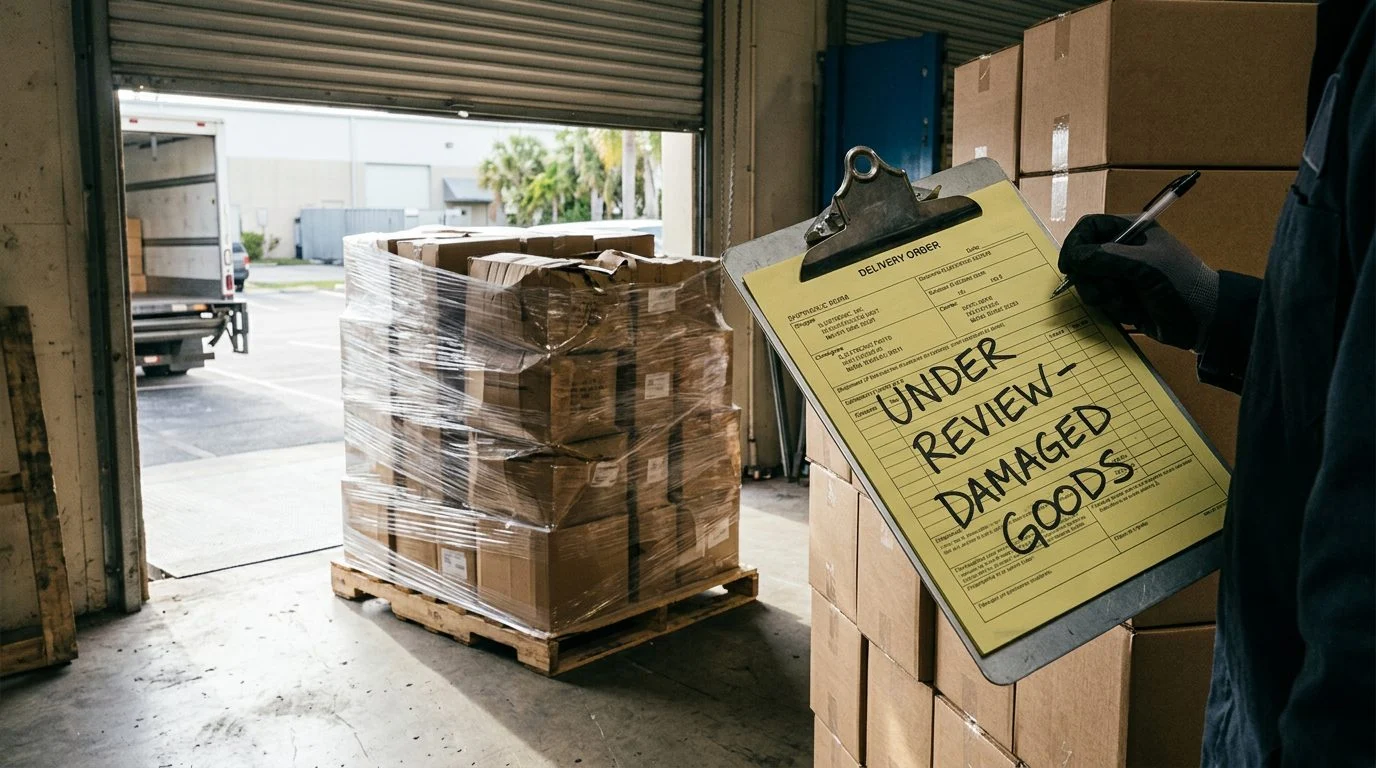
When a commercial landlord won’t make repairs, a leaking roof or failed HVAC system can stop your business cold. You may have a claim, but your lease and the facts decide what that claim looks like. Withholding rent or doing repairs on your own can create risk for your position.
This page explains how these disputes work in Florida, what to document, and how Ayala Law PA handles demand and lawsuit steps for business tenants in Hillsborough County and the Tampa Bay area.
What Is a Commercial Landlord Repair Lawsuit?
Repair disagreements between commercial landlords and tenants often turn on what the lease says about repairs and who is responsible for them. How a repair problem affects a tenant’s business use of the space can be an important factual question in a dispute.
- Typical defects: roof leaks, failed HVAC or plumbing, structural problems, water intrusion, and electrical or code-related conditions.
- Who it fits: business owners leasing retail, office, warehouse, or industrial space in Hillsborough County and the Tampa Bay area.
- Who it may not fit: cosmetic problems, or repairs the lease clearly places on the tenant.
Part I of Florida’s landlord-tenant law applies to nonresidential tenancies, so commercial leases fall under it.
If a leaking roof or failing HVAC is cutting into your sales and your landlord hasn't acted, our team can review your lease with you. Call (305) 570-2208 or reach out through our contact page. Talk it through with our team — we can walk you through how a situation like yours is usually handled and what your options are.
What Does Your Lease Require the Landlord to Fix?
Your lease’s repair and maintenance clause is the first place to look. It shows who must fix the roof, structure, HVAC, plumbing, and common areas.
- Check whether the repair duty sits with the landlord or the tenant.
- Triple-net and CAM-style leases move many costs to the tenant, so read the cost-sharing terms too.
- Look for notice requirements, cure periods, and clauses that limit rent abatement or self-help repairs.
Whether the landlord had a duty to repair in a given case depends on the lease language and the facts.
How Should a Tenant Document a Repair Problem?
Start a dated record before you send any letter. Good records show what broke, when you reported it, and what it cost your business.
- Photos and video of the defect, with dates.
- Repair invoices, contractor reports, and HVAC temperature logs.
- Moisture or mold findings, if any.
- Business impact: days closed, damaged inventory, lost sales, customer complaints, and extra costs.
- Every call, email, and text with the landlord or property manager, with dates and names.
Check the lease for a required form of written notice and a required delivery method. Missing either can weaken your position. Avoid withholding rent or starting major repairs before someone reviews the lease. Those moves can create default risk that is hard to undo.
How Does the Firm Handle Notice, Demand, and Lawsuit Steps?
Ayala Law PA starts with the lease and your records. Then it moves to a written demand, negotiation, and, if needed, a lawsuit or arbitration.
- Intake and lease review: identify repair duties, notice terms, and deadlines.
- Demand letter: describe the defect, cite the lease provision, set a response deadline, and reserve the tenant’s remedies.
- Negotiation: discuss repair schedules, escrow or repair-credit terms, and rent abatement where the lease and facts support them.
- Lawsuit or arbitration: claims may include breach of the repair obligation, damages, and requests for a court order requiring repairs.
If your lease has an arbitration clause, Florida law generally treats it as valid and enforceable, except on grounds that allow revoking any contract. Under Florida venue law, actions shall be brought only in the county where the defendant resides, where the cause of action accrued, or where the property in litigation is located, and this rule does not apply to actions against nonresidents. For a building in Hillsborough County, the property’s location can point to Hillsborough County as a place where an action may be brought, because Florida law allows actions in the county where the property in litigation is located.
What Happens After You Contact the Firm?
Commercial disputes can move through document review, a demand period, filing, discovery, and then mediation, settlement, or trial. Each stage has its own rules.
- Review first: the firm reviews your documents before any letter or filing.
- Demand period: the lease or the demand letter sets the response window.
- Filing and service: a landlord that is a domestic LLC or a registered foreign LLC may be served through its registered agent under Florida law.
- Discovery: lease files, repair logs, and maintenance records are the kinds of records that often matter in a repair dispute.
- Mediation: a landlord-tenant dispute without a personal injury claim is excluded from mandatory mediation, though a court may still refer it.
If a landlord sues for possession, the tenant must pay the rent alleged as unpaid (or, if contested, the amount the court sets) into the court registry, plus rent that accrues during the case when due, unless the tenant raises the defense of payment. Failing to pay as ordered waives the tenant’s defenses and lets the landlord get an immediate default for possession. Fla. Stat. § 83.232 provides that, in an action by the landlord that includes a claim for possession of real property, the tenant shall pay into the court registry the amount alleged in the complaint as unpaid, or, if that amount is contested, the amount determined by the court, unless the tenant has interposed the defense of payment or satisfaction of the rent in the amount the complaint alleges as unpaid. Unless the tenant disputes the amount of accrued rent, that payment is due on or before the date on which his or her answer to the claim for possession is due, though the court may extend this time to allow later payment upon good cause shown (Fla. Stat. § 83.232).
Why Work With Ayala Law PA on a Lease Repair Dispute?
Ayala Law PA focuses on business litigation, including commercial litigation, contract disputes, real estate litigation, and construction litigation. Those areas overlap with lease repair disputes.
- Responsible lawyer for this page: Eduardo A. Maura.
- Office location: 1646 W Snow Ave, Tampa, Florida.
- Service area: businesses in Hillsborough County, Brandon, Riverview, Plant City, Temple Terrace, and the wider Tampa Bay area.
- Support: the firm has assistants and office staff who support our team.
Not sure what your next step is?
Talk it through with our team — we can walk you through how a situation like yours is usually handled and what your options are.

Common Questions About Landlord Repair Lawsuits
Can I stop paying rent until the landlord fixes the roof?
Withholding rent can create default risk. Talk with counsel before you stop any payment.
Can I hire a contractor and deduct the cost from rent?
Many leases restrict this, and the lease language controls.
Will suing end my lease?
Whether a lawsuit affects your lease depends on the lease terms and any default.
Do I need a lawyer for a demand letter?
A demand letter should cite the lease, set a deadline, and reserve your rights. A general letter often leaves those out.
Jurisdiction turns on the lease, the property location, and the landlord’s contacts with Florida.
How are fees handled?
Fees are explained at intake.
If your landlord has ignored a leaking roof or failing HVAC and it’s cutting into your sales, you don’t have to decide on withholding rent alone. Call Ayala Law PA at (305) 570-2208 or reach out through our contact page to review your lease.



