
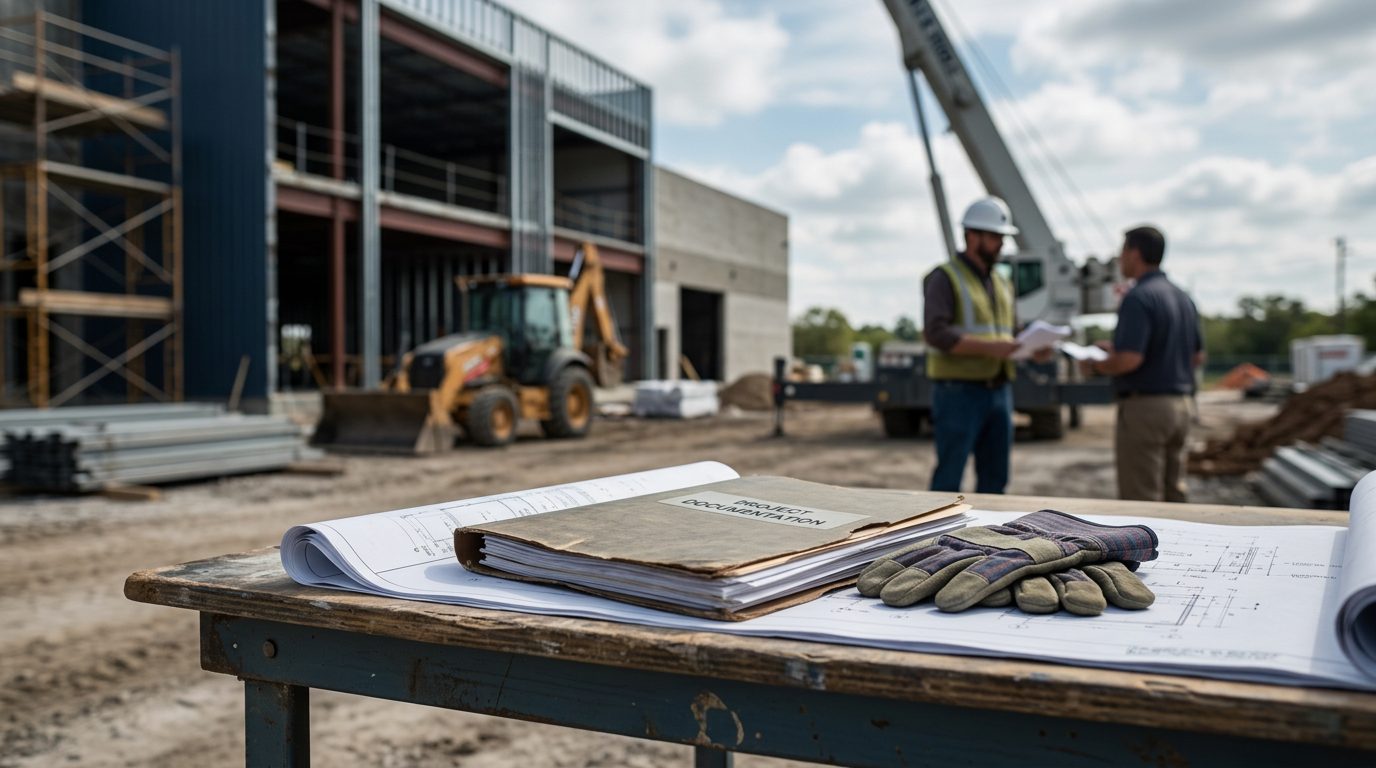
Construction litigation in Tampa Bay usually starts with unpaid money, a recorded lien or a broken contract. When a payment halts or a project falls apart, the dispute may end up in a Hillsborough County court or in arbitration. Ayala Law PA focuses on construction litigation, including contractor and subcontractor disputes, lien foreclosure, breach of construction contracts and construction contract fraud. The firm’s only office is at 1646 W Snow Ave in Tampa, and clients in Tampa Bay and Hillsborough County are served from that office. Here is what tends to drive these cases and what to gather first.
Construction Disputes That Reach Tampa Bay Courts
Most construction disputes become lawsuits when a payment is withheld, a lien is recorded or the parties disagree about what the contract requires. Projects in Brandon, Riverview, Plant City and Temple Terrace follow the same pattern. An owner hires a general contractor, the contractor brings in subcontractors and suppliers, and one unpaid bill can ripple through the whole job.
The main dispute types are payment disputes between contractors and subcontractors, construction lien foreclosure, breach of construction contracts and construction contract fraud. Each one has its own deadlines and proof, so it helps to name the problem early.
Where a case is heard depends on the contract and the property. Florida venue law generally requires suit in the county where the defendant lives, where the claim arose or where the disputed property is located, as Fla. Stat. § 47.011 states, though that section does not apply to suits against nonresidents. Some contracts send disputes to arbitration instead. Florida law generally enforces a written arbitration agreement, as Florida arbitration agreement law explains, so the dispute clause in the contract matters early.
If an unpaid subcontract balance or a recorded lien has stalled your Tampa Bay project, our team can help you work out your next steps. Talk it through with our team — we can walk you through how a situation like yours is usually handled and what your options are.
Payment and Lien Disputes Between Contractors and Subcontractors
A payment dispute usually starts when a general contractor pays a subcontractor late, pays only part of the bill or quits paying altogether. Each construction project has its own contracts, records and history, so a subcontractor’s options in a payment dispute are best evaluated with the project documents in hand. A Florida construction lien generally expires if a foreclosure action is not filed within one year after the claim of lien is recorded, although that period can be shortened (Fla. Stat. § 713.22).
A lien foreclosure is a separate lawsuit. It asks a court to enforce the lien against the property. The owner, the general contractor and the subcontractor each carry different risk. That risk depends on who signed what and which notices were sent. Many people also ask how long a general contractor has to pay a subcontractor in Florida, and that question often comes up alongside lien issues.
Breach of Construction Contracts and Contract Fraud Claims
A breach of a construction contract means one side failed to do what the signed agreement requires. Common examples include missed milestones, change orders that were never approved, payment terms that were ignored and disputes over the scope of work.
Breach claims turn on the record. Courts and lawyers usually look at the contract language, the payment schedule, written change orders and the messages between the parties. A thin paper trail can make a dispute harder to prove, so records from the start of the job matter.
Construction contract fraud is different. It is a claim that a party misrepresented materials, licensing, costs or work performed to win a contract or to get a payment released. Fraud claims depend on the facts and the documents. Time limits for fraud claims in Florida are set by statute, so timing should be reviewed early.
Deadlines for construction claims in Florida depend on the type of claim and the facts involved, which is why an early look at timing matters. Florida Statutes § 95.11(3) generally sets a four-year limitation period for actions founded on the design, planning or construction of an improvement to real property. The clock generally starts on whichever of these comes first: the date the authority having jurisdiction issues a temporary certificate of occupancy, a certificate of occupancy or a certificate of completion, or the date construction was abandoned if it was not completed. When a defect is latent, the four-year period runs from the date the defect is discovered or should have been discovered with the exercise of due diligence, but suit must still be filed within seven years of the earliest of those triggering events.
How Ayala Law PA Handles Tampa Bay Construction Matters from Tampa
Ayala Law PA handles these matters from its Tampa office at 1646 W Snow Ave. Eduardo A. Maura is the lawyer responsible for the content of this page. The firm focuses on business litigation, commercial litigation, contract disputes, shareholder disputes, construction litigation, real estate litigation and international trade litigation in Florida courts and arbitration.
Tampa Bay and Hillsborough County clients are served from that single Tampa office. Our team, which includes support staff, handles intake, document organization and scheduling. That setup lets clients send records and receive updates without traveling to Tampa for every step.
Federal cases filed in Hillsborough County go to the U.S. District Court for the Middle District of Florida, Tampa Division. The court’s local rules set filing requirements for cases filed there.
Documents and Deadlines to Gather Before You Reach Out
Gather your records before you reach out, because the file shapes the case evaluation. Useful records usually include the signed contract, change orders, payment applications, invoices, lien notices and releases, daily logs, correspondence and proof of the work performed.
Write down the date each notice was sent or received. Lien and filing clocks run from specific dates, so a clear timeline helps. Keep original documents unchanged. Hold off on sending angry messages or threats until you have talked with counsel, because those messages can become evidence.
No lawyer can predict how a court or arbitrator will rule. A complete record does let the evaluation address your actual facts instead of general rules.
Next Steps for Your Construction Dispute
Deadlines keep running while a payment or lien problem sits, so an early case evaluation helps you see what comes next. Short answers to common questions are below.
Can a construction dispute in Tampa be sent to arbitration?
Yes, if the contract contains a valid written arbitration agreement. A court decides whether that agreement exists.
Where should a Hillsborough County construction lawsuit be filed?
Florida venue law generally points to the county where the defendant lives, where the claim arose or where the property is located. The answer depends on the facts of your dispute.
Is there a deadline for a construction fraud claim?
A fraud action generally must be begun within four years under Fla. Stat. § 95.11(3), and under Fla. Stat. § 95.031(2)(a) that period generally runs from when the facts were or should have been discovered, subject to an outer limit of 12 years from the commission of the fraud.
If a subcontractor has recorded a lien on your Brandon property, or a contractor walked off your Riverview job, you do not have to sort out the deadlines alone. Call Ayala Law PA at (305) 570-2208 or request a case evaluation through our contact page.



