

How much does a lawyer charge to file a lien in Florida? There is no single price. The fee follows the facts of your job, including the amount owed and how much paperwork the claim needs. Government recording costs are paid on top of legal fees. This guide explains what the fee usually covers, which costs sit outside it, and what to ask for in writing. Ayala Law PA, whose office is in Tampa, represents businesses in Tampa, Hillsborough County, and the Tampa Bay area.
What a Lawyer Charges for When Filing a Lien
A lawyer’s fee for the filing stage covers preparing and recording a claim of lien. Enforcing that lien in court is a separate stage with its own scope and cost.
Filing starts with a file review. The lawyer reads the contract, any change orders, the payment history, the invoice dates, and the owner’s details. Those dates matter. The timing of your last work and any notices sent along the way shape what can be filed.
Next comes drafting. Construction lien claims involve formal requirements, and the specific facts of a project can affect how a claim is handled. A claim that leaves out a required element can be challenged, so this work is careful drafting, not a quick form fill. The lawyer then records the claim with the county.
Owners should understand the other side of this too. Pinellas County’s Pinellas County lien law information page covers who may enforce a construction lien, Notice of Commencement requirements, and how lien releases and waivers work.
If an unpaid balance on a finished job has you weighing a lien, our team can talk through your deadlines and fee questions with you. Talk it through with our team — we can walk you through how a situation like yours is usually handled and what your options are.
How Lawyers Structure Lien Fees
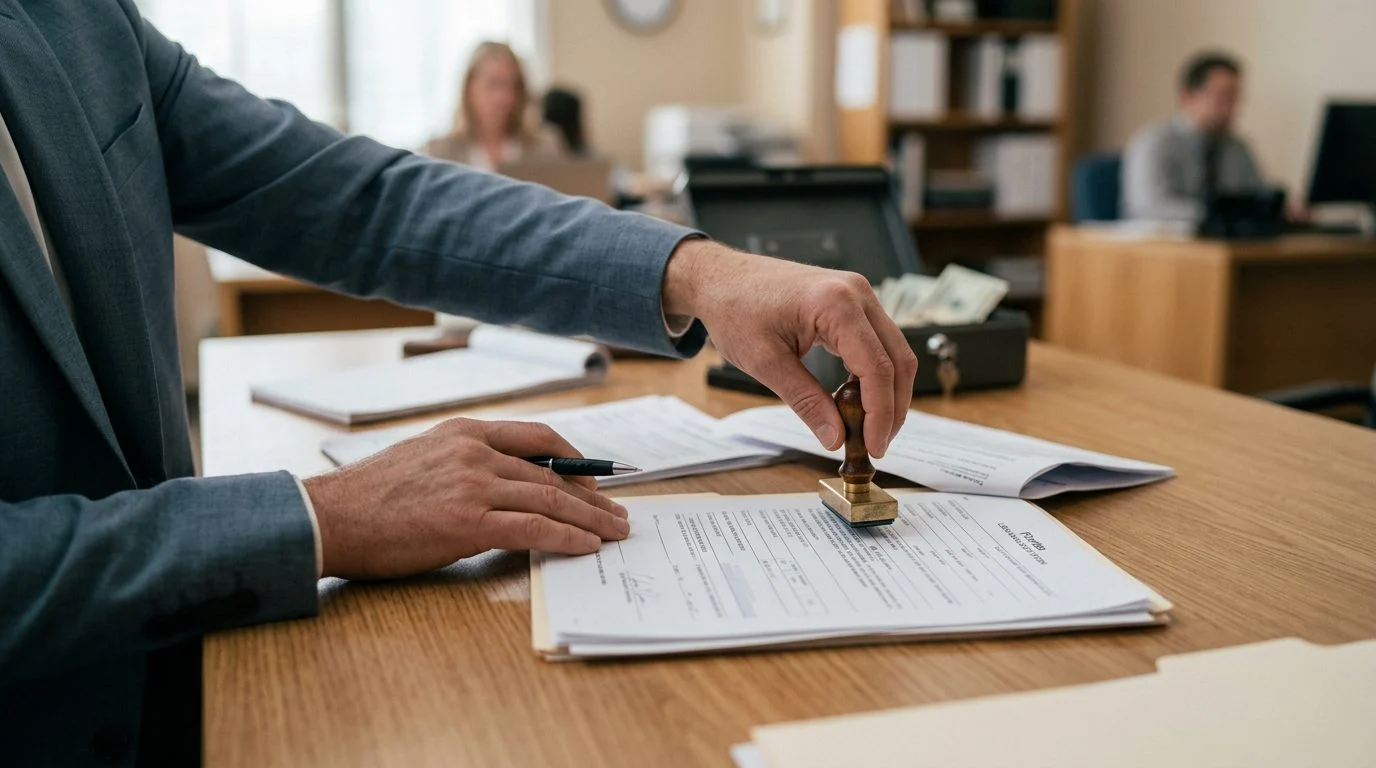
Lien work is usually billed by the hour or as a flat fee for defined tasks. Under Florida Bar Rule 4-1.5, when the lawyer has not regularly represented the client, the basis or rate of the fee and costs must be communicated to the client, preferably in writing.
Hourly billing means the lawyer records the time spent on your file and bills for it. The total moves with the complexity of the job. It can climb if the owner disputes the work or the amount.
A flat fee covers all legal services to be provided in the representation, such as reviewing the file and preparing and recording the claim. It usually leaves out later steps, such as a foreclosure lawsuit. Those steps need their own scope and fee discussion.
The same rule says general overhead should be accounted for in a lawyer’s fee, whether the lawyer charges hourly, flat, or contingent fees. Your fee should reflect that overhead, not a separate surprise. The consumer notice on fee disputes in R. Regulating Fla. Bar 4-1.5 reads, in part: “Usually fee disputes must be handled in a separate lawsuit, unless your fee contract provides for” arbitration.
Fees for lien work are discussed directly with the firm once the facts of your job are known. Ask for a written estimate that lists what’s included, what’s excluded, and every cost you may owe.
Government Filing and Recording Costs Paid on Top of Legal Fees
Government recording fees are separate from attorney fees. Your lawyer’s quote alone won’t show the full cost of the filing.
Recording a claim of lien places it in the official records kept by the county clerk. The clerk charges a recording fee for that step, and you pay it on top of legal fees.
Other out-of-pocket items can appear. These may include certified copies, service of the lien on the owner, and courier or postage charges. Which items apply turns on the file.
Florida Bar rules let a lawyer agree to charge a reasonable amount for in-house costs, such as copying, faxing, and courier services. Ask whether each outside cost is passed through at what the firm actually paid, and whether any cost is built into the fee.
Facts That Change the Total Cost
The size of the unpaid balance, the number of owners involved, and whether anyone disputes the work are the biggest drivers of the total.
A larger claim usually means more documents to gather and more review. A job with several properties, several owners, or a lease arrangement adds more notices and more parties to track.
Whether a notice to the owner went out earlier also matters. If the owner disputes the amount or the work, expect more back-and-forth and more time on the file.
Payment disputes can get tangled quickly. A property owner can face a lien on the property even after paying the contractor. The City of Cape Coral lien law summary notes that lien releases or waivers can help owners protect their property.
Finally, a claim that turns into a lien foreclosure lawsuit adds court-related work well beyond the filing.
Deadlines That Affect Lien Costs
Florida’s lien deadlines are strict, and a missed one can put your lien right at risk.
The timing ties to the notices you send and the date your work or materials were last furnished. Reviewing that timeline early keeps your options open. Waiting out a payment promise while the deadlines run is a costly choice.
Fixing a late or defective filing generally takes more work than filing it correctly the first time. That extra work shows up on the bill.
Can Attorney Fees Be Recovered in a Florida Lien Case?
Usually, each side pays its own attorney’s fees unless a contract or statute says otherwise. The Price v. Tyler decision from the Florida Supreme Court states that rule.
Contracts can change the picture. If a contract lets a party recover fees for enforcing it, Fla. Stat. § 57.105 says the court may allow reasonable fees to the other party when that party prevails. That covers a plaintiff or a defendant, and contracts entered into on or after October 1, 1988.
Whether any fee comes back to you turns on the contract, the claims made, and the court’s ruling. No result can be promised, so weigh the fee you agree to pay now against what the contract may or may not return.
Not sure what your next step is?
Talk it through with our team — we can walk you through how a situation like yours is usually handled and what your options are.
Questions to Clarify in a Lien Fee Discussion
Before any work starts, ask for the fee basis, the cost list, and the scope in writing.
Start with what’s included. Ask what the quote covers, such as file review, drafting, recording, and owner service. Then ask what’s left out, such as a lawsuit.
Next, ask how time is billed and how often you’ll receive statements. Ask which recording, service, and courier costs apply and who pays each one.
Also ask how the firm will update you on deadlines and the status of the lien. Good questions also cover what happens if the owner disputes the claim.
A clear written scope makes the total easier to understand before you commit. That’s the right time to raise concerns, while the terms are still open.

Talk With Ayala Law PA About Your Lien Question
If you’re owed money on a finished job, or a lien has been recorded against property you own or manage, you’re facing a decision with real deadlines.
Ayala Law PA focuses on business litigation, construction litigation (including contractor and subcontractor disputes, lien foreclosure, and construction contract fraud), real estate litigation, and commercial and contract disputes in Florida courts and arbitration. The firm’s practice also includes shareholder disputes and international trade litigation.
The firm’s office is at 1646 W Snow Ave in Tampa. The firm serves businesses and property owners in Tampa, Hillsborough County, Brandon, Riverview, Plant City, Temple Terrace, and the Tampa Bay area. Eduardo A. Maura is the lawyer responsible for this page’s content. If a matter falls outside these practice areas, it may be referred to another lawyer or law firm.
Frequently asked questions
How much does a lawyer charge to file a lien in Florida?
There’s no single price. The fee follows the facts of your job and is discussed directly with the firm.
Do I pay the recording fee myself?
Recording fees go to the county clerk and sit apart from attorney fees. Ask whether the firm bills them through or builds any cost into the fee.
Can I get my lawyer fees back in a Florida lien case?
Sometimes, if a contract or statute allows it and the court agrees. No result can be promised.
If an unpaid balance on a finished job has you weighing a lien, call (305) 570-2208 or request a case evaluation to talk through your deadlines and fee terms.



