
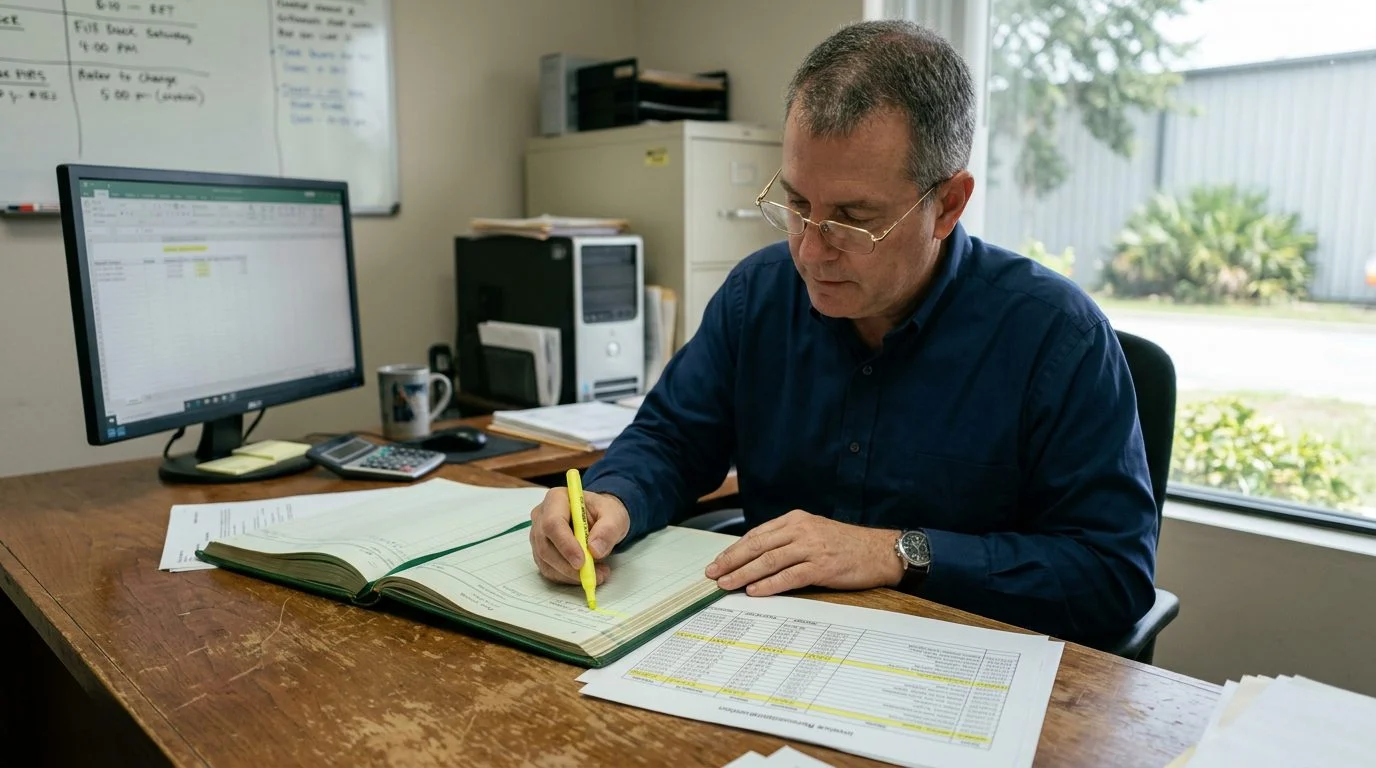
Your business got a CAM bill that’s higher than expected, and the line items don’t make sense. If your landlord has billed you for CAM costs, start with what your lease actually allows before you pay or push back.
Read the lease first, check the math, and put every objection in writing. When a CAM bill feels unfair, most disputes turn on the paperwork rather than the feeling.
What CAM Charges Are and Why Business Tenants Pay Them
CAM charges are a tenant’s share of the cost to maintain shared spaces in a building. CAM stands for common area maintenance. It can cover parking lots, lobbies, landscaping, and shared utilities.
Most commercial leases pass some of these costs through to tenants. The share is often based on the tenant’s portion of the building. The landlord bills, and the tenant pays. The lease is the document that decides what the landlord may bill.
A charge on an invoice is not valid just because it appears there. The landlord still has to fit each cost inside the lease’s definitions. Many leases also set limits, such as caps on annual increases. Those limits matter as much as the cost list does.
Say the lease covers parking lot repairs but excludes major capital projects. A new roof may fall outside what the tenant agreed to share. That’s why business tenants should start with the contract, not the invoice.
If a CAM reconciliation has your business questioning the amount while a lease deadline approaches, our team is ready to talk through your options with you. Talk it through with our team — we can walk you through how a situation like yours is usually handled and what your options are.
The Lease Decides Which CAM Charges Are Allowed
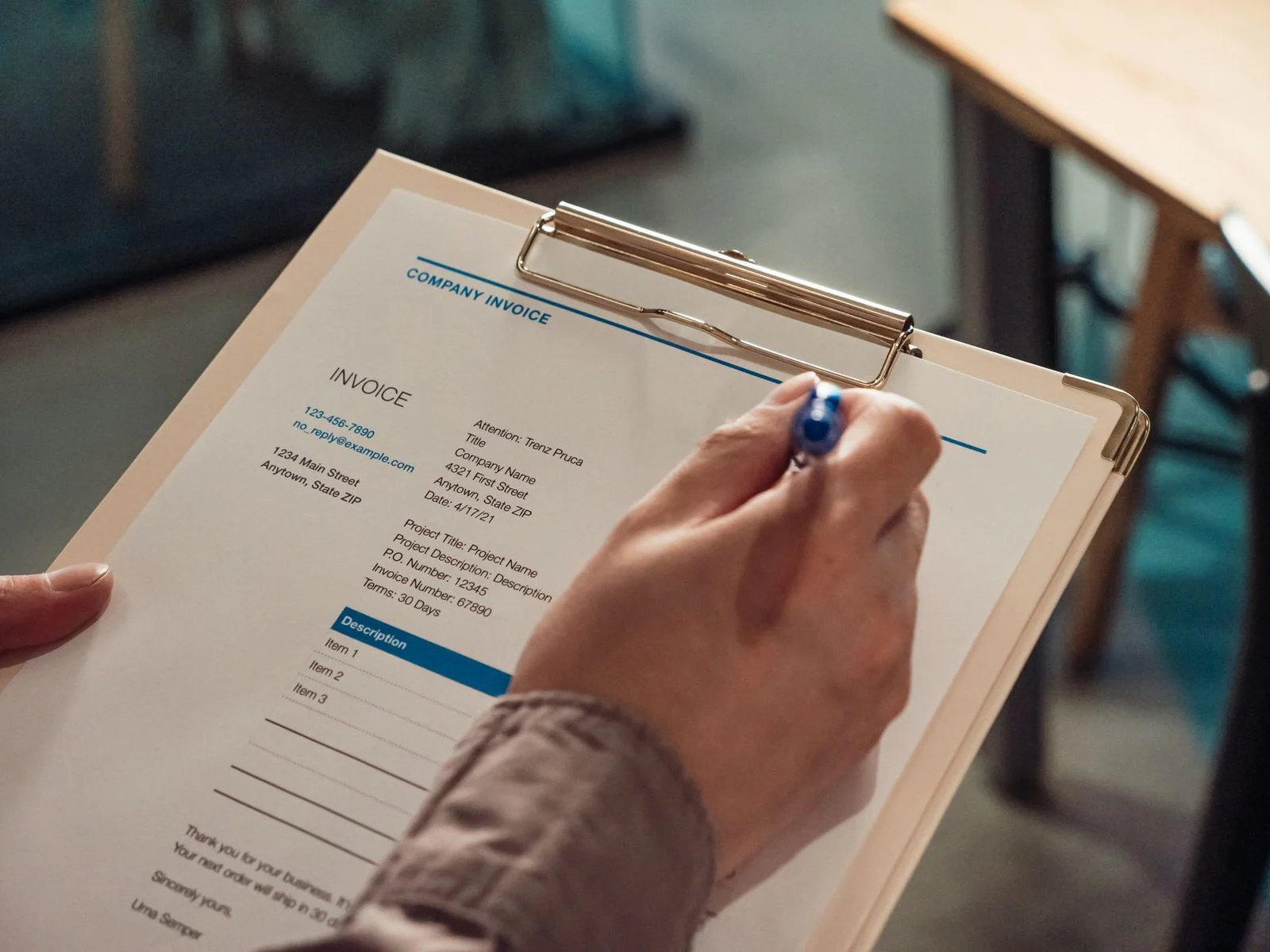
The CAM clause and its definitions decide whether a disputed charge is allowed. Start by finding four things: the CAM or operating expense clause, the definition of recoverable costs, any list of excluded costs, and your proportionate share.
Check the amendments too. A later amendment can change the share, the caps, or the list of exclusions.
Next, look for the items that cause most fights. Capital expenditures, management fees, and administrative markups are common sources of dispute. Some leases allow them and others exclude them. Some leases use a base year or a gross-up method, which changes how your share is calculated.
One point surprises many tenants. A charge you think is unfair can still be allowed if the lease clearly covers it. The test is the lease wording, not whether the bill feels fair.
Checking the Estimate and the Annual Reconciliation
The year-end reconciliation is where the final number gets set, so check it line by line against the lease. Monthly CAM payments are usually estimates. The annual reconciliation compares those estimates with actual costs and bills or credits the difference.
A large year-end bill often means the estimate was too low or costs rose. Ask the landlord to explain the difference in writing.
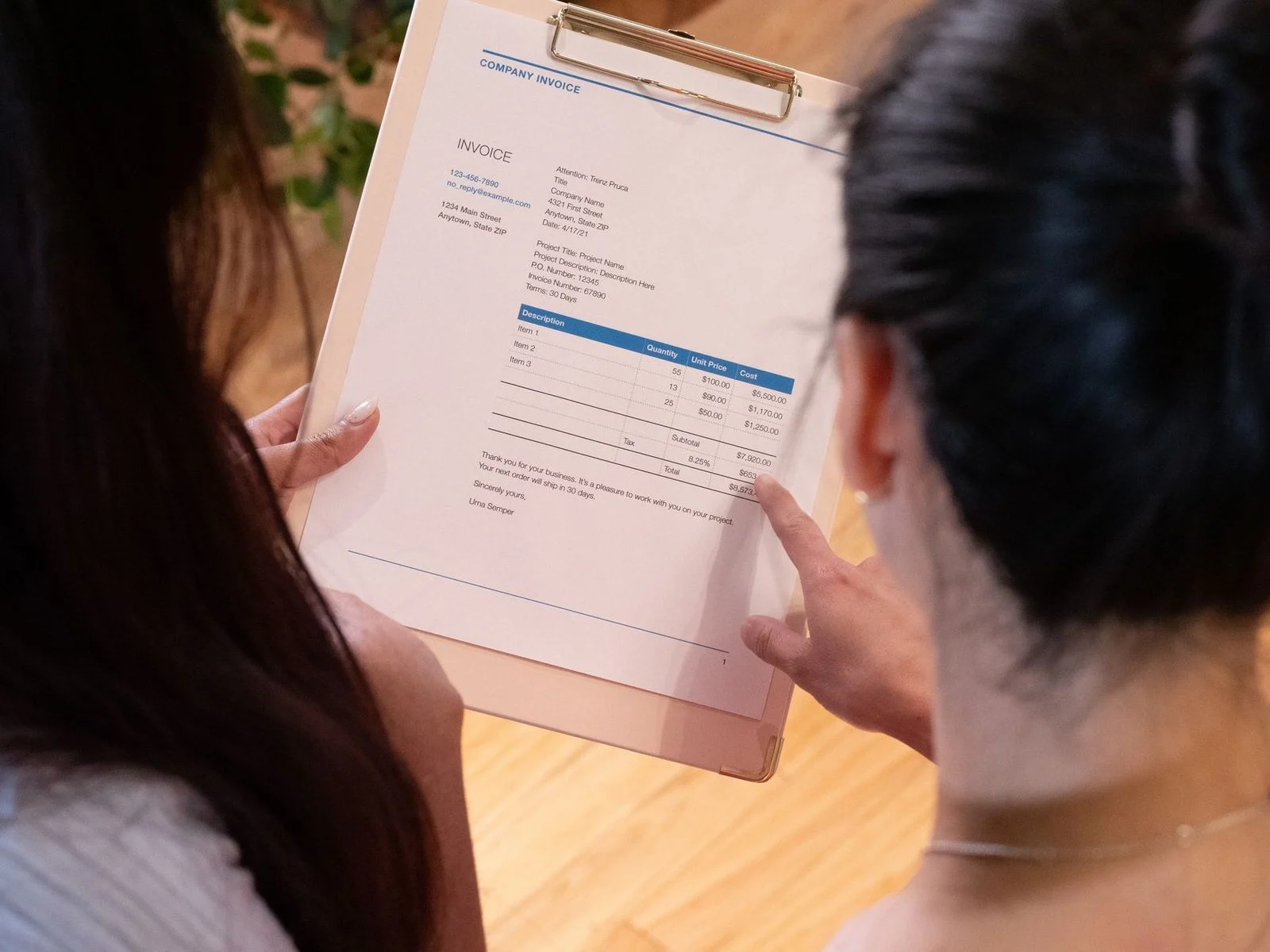
For each line item, check the category, the amount, the date range, and whether the dates match your lease year. Then run the math. Total the expense pool, apply your percentage share, and compare the result with the amount billed.
Watch for warning signs. Lump-sum charges with no detail are one. The same cost showing up in two categories is another. A reconciliation delivered long after the period closed is a third, and it’s worth asking why it came so late.
Build a Dated Record Before Positions Harden
Create a dated file that shows what you were billed, what you paid, and what the landlord told you. Gather the signed lease, all amendments, prior CAM invoices, reconciliation statements, payment records, and any building notices.
Next, build a communication map. List every email, letter, call, and site notice about the charges. Note the date, who sent it, who received it, and a one-line summary.
Keep photos and dated notes of conditions tied to the disputed services. Examples include a parking lot that was not repaired or a common restroom that was not cleaned. These records show whether the services you’re paying for were delivered.
Store copies outside the landlord’s property-management portal. A complete set you control is worth more than memory when positions harden.
Request Backup and Dispute CAM Charges in Writing
A written request for backup is usually the first formal step in a CAM charges dispute. Ask for the invoices, vendor contracts, and the calculation behind the reconciliation.
Your dispute letter should identify each charge you question. Cite the lease section you rely on, state the amount in question, and ask for a response by a stated date. Keep the tone factual. Accusations make it harder to resolve the problem.
Many leases give tenants a right to inspect the landlord’s CAM records within a set window. Find that window in your lease and calendar it right away. Missing a dispute or audit deadline written in the lease can limit your options later.
Keep copies of everything you send. Use a delivery method that leaves proof you sent it.
Paying Under Protest Versus Withholding Rent
Withholding rent or CAM payments without clear lease authority can put your tenancy at risk. The safer options are paying the disputed amount under written protest or paying the undisputed portion while disputing the rest.
Florida law gives a landlord a right to obtain possession when rent is not paid when due, as provided by law. Fla. Stat. § 83.05 sets out that right for non-dwelling premises. See Fla. Stat. § 83.232.
Common mistakes cost tenants leverage. They miss notice deadlines, pay without reserving their rights, rely on oral promises, or stop payments without a written basis.
The right approach depends on the lease’s default and cure provisions and on the facts of your dispute. Review those terms before you decide to pay, protest, or hold back any amount.
Not sure what your next step is?
Talk it through with our team — we can walk you through how a situation like yours is usually handled and what your options are.
How Florida Law Frames Commercial Tenant Disputes
Florida’s rules for nonresidential tenancies sit in Fla. Stat. § 83.001, which applies to nonresidential tenancies and all tenancies not governed by part II of this chapter.
Under § 83.05(2), a landlord recovers possession of rented premises only through a court action, when the tenant surrenders possession, or when the tenant abandons the premises. A landlord can’t simply lock a business out to settle a CAM dispute.
Notice and cure provisions in a contract deserve close review before any dispute step is taken. In Covelli Family, L.P. v. ABG5, L.L.C., the Fourth District Court of Appeal, quoting an earlier decision, stated: “As a general rule, conditions precedent are not favored, and courts will not construe provisions to be such, unless required to do so by plain, unambiguous language or by necessary implication.”
An informal CAM promise may still count. In St. Joe Corp. v. McIver, the Florida Supreme Court said an oral contract needs offer, acceptance, consideration, and sufficient specification of essential terms. If your lease requires arbitration, Fla. Stat. § 682.02 says a written agreement to arbitrate is valid and enforceable, with narrow exceptions.
When a CAM Dispute Needs Formal Legal Help
Consider outside legal help when the amount is large, billing errors keep repeating, or the landlord threatens default or lockout. Those facts raise the stakes and the deadlines.
A typical path runs from a written dispute to the landlord’s response, then negotiation. If that fails, a formal demand letter can state the dispute clearly. Litigation or arbitration follows only if the lease and the facts support it. A demand letter sometimes resolves a dispute without a lawsuit, but no one can promise how it will end.
Ayala Law PA focuses on business litigation, including commercial litigation, contract disputes, and real estate litigation. The firm serves Tampa, Hillsborough County, and the Tampa Bay area from its office at 1646 W Snow Ave, Tampa, FL 33606. Eduardo A. Maura is the responsible lawyer for this page.
Frequently Asked Questions
Can a landlord pass every building expense to a commercial tenant?
No. A landlord can usually bill only the costs the lease defines as recoverable, subject to any exclusions and caps.
Can a Tampa business tenant see the landlord’s CAM records?
Check your lease first. If it gives an inspection or audit right, it will also set a time limit for asking.
Should a tenant stop paying CAM while disputing it?
Stopping payment can create default risk. Check the lease’s default and cure terms before you decide.
Is an oral CAM promise enforceable in Florida?
Oral agreements still need offer, acceptance, consideration, and essential terms, and proving them can be difficult.
Talk With Ayala Law PA About Your CAM Dispute
If a CAM statement you don’t trust has a response deadline coming up, now is the time to talk with our team. You have a reconciliation in hand and must decide how to respond before the lease deadline passes.
Call Ayala Law PA at (813) 414-5715, or send your questions through the case evaluation form. Bring the lease, the invoices, and the reconciliation statement so we can review the dispute and the deadlines together.
Case evaluations carry a fee, and our team will explain it when you reach out. We can’t promise how your dispute will end.



