

A property line has moved, a co-owner won’t sign a sale, or a deal fell apart before closing. Now a demand letter or lawsuit is on your desk, or you expect one soon. When a dispute arises over who holds rights to a property, or over how a property deal is supposed to be carried out, the matter may need to be resolved in a court or arbitration case. Here is how these cases work in Tampa and Hillsborough County.
What a Real Estate Lawsuit Covers and Who It Helps
A real estate lawsuit asks a court or arbitrator to decide rights to land, buildings, title, boundaries, or the terms of a property deal.
Owners, co-owners, landlords, property investors, and buyers or sellers in a stalled deal all end up in these cases. Some people file first. Others are sued. Both roles need early review, because the first papers often start the clock on response deadlines.
Where a case is filed matters too. Under § 47.011, actions must be brought only in the county where the defendant resides, where the cause of action accrued, or where the property in litigation is located. This section does not apply to actions against nonresidents. For a Hillsborough County property, the county where the property sits is one of those places.
Ayala Law PA handles real estate litigation in Florida courts and arbitration. From its Tampa office, the firm serves Tampa, Hillsborough County, and the wider Tampa Bay area. Reviewing the deed, the contract, and the letters you’ve received early can narrow your options quickly.
If a boundary, co-owner, or sale dispute has landed on your desk, you don't have to sort out the papers alone, and our team is ready to talk through the facts with you. Talk it through with our team — we can walk you through how a situation like yours is usually handled and what your options are.
Common Real Estate Disputes Owners and Investors Face
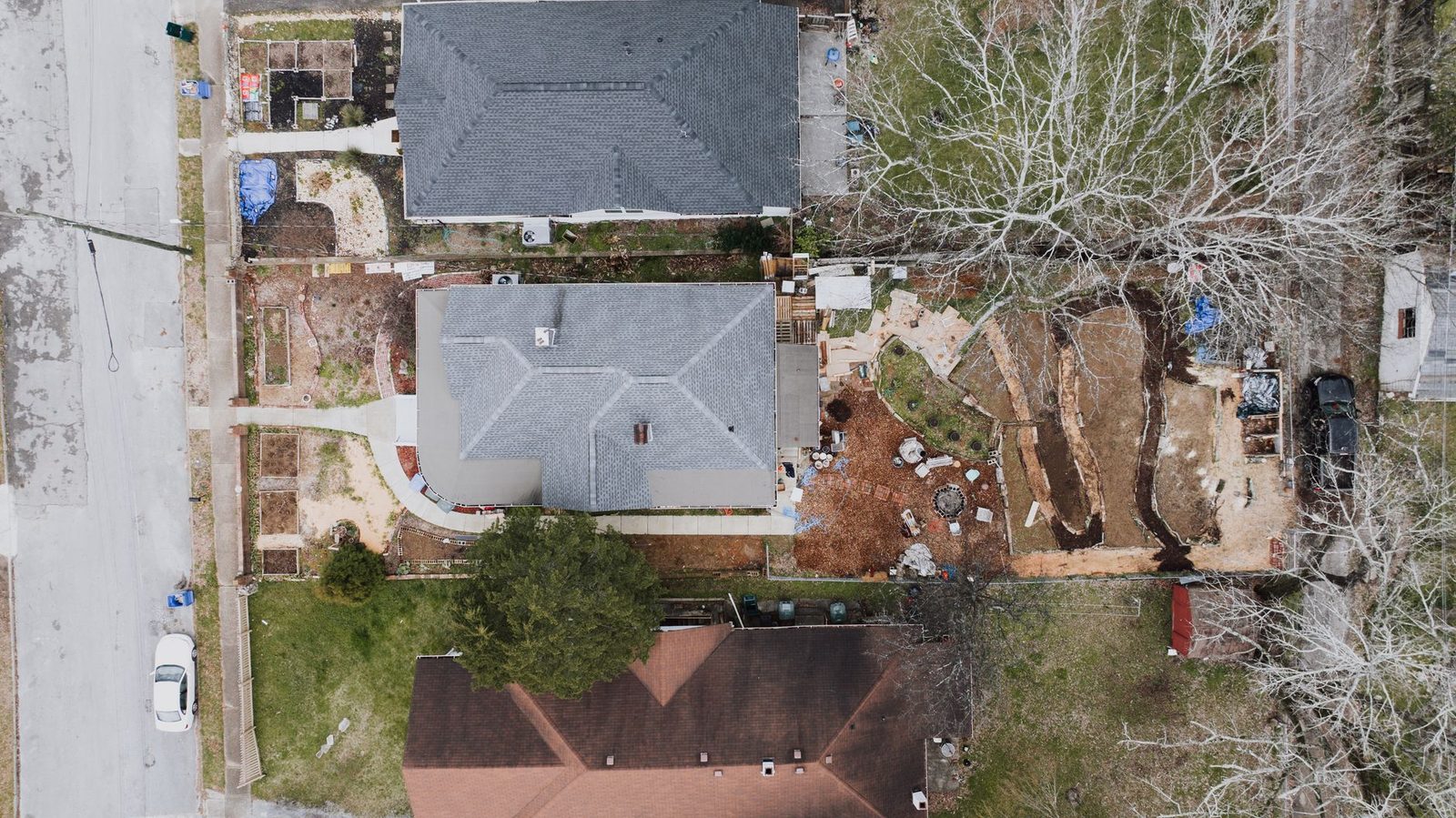
Most real estate lawsuits start with a boundary, a co-owner standoff, a broken purchase contract, a title problem, or an investment that went wrong.
- Boundary disputes. Fences, survey lines, and encroachments that one owner says cross onto another’s land.
- Co-owned property. Owners who can’t agree on a sale, a use, or a buyout. If talks fail, a partition case may follow.
- Purchase contract disputes. Earnest money, closing conditions, missed deadlines, and claims that one side defaulted.
- Title and lien problems. Recorded claims that affect who legally owns or controls a property.
- Investor disputes. Joint ventures, property deals, or property conditions and financials that were misstated.
Claims against a real estate agent or seller depend on the specific misrepresentation or breach. The contract’s exact words matter. As a general rule, conditions precedent are not favored, and courts will not construe provisions to be such, unless required to do so by plain, unambiguous language or by necessary implication. Courts tend to treat it as a condition only when plain language or necessary implication requires that. That is why buyers and sellers should read their own notice clauses closely. See this Fourth District ruling on conditions precedent.
How a Real Estate Lawsuit Works, Step by Step
A real estate case usually moves from document review to pre-suit talks, then to court or arbitration, and ends in a settlement, ruling, or award.
- Case review. The firm reads deeds, contracts, surveys, letters, and a timeline of events.
- Pre-suit options. Demand letters, negotiation, or mediation, depending on the case. Under § 44.102, a court must refer any filed civil action for monetary damages to mediation when one party asks, provided the requesting party is willing and able to pay the costs of the mediation or the costs can be equitably divided between the parties, unless an exception applies.
- Filing or response. A complaint starts the case, or a response is due in the proper forum. A recorded notice of lis pendens warns that property is tied up in a lawsuit. Fla. Stat. § 48.23 reads: “(1)(a) An action in any of the state or federal courts in this state operates as a lis pendens on any real or personal property involved therein or to be affected thereby only if a notice of lis pendens is recorded in the official records of the county where the property is located and such notice has not expired pursuant to subsection (2) or been withdrawn or discharged.” Under § 48.23, that notice generally expires one year after the action begins. Some exceptions apply, and a court can extend the time for good cause. Fla. Stat. § 48.23 reads: “(2) A notice of lis pendens is not effectual for any purpose beyond 1 year from the commencement of the action and will expire at that time, unless the relief sought is disclosed by the pending pleading to be founded on a duly recorded instrument or on a lien claimed under part I of chapter 713 against the property involved, except when the court extends the time of expiration on reasonable notice and for good cause.”
- Discovery. Document requests, depositions, and title or survey records.
- Resolution. Settlement, motions, trial, or an arbitration award.
Timing changes from one dispute to the next, based on the court’s calendar and how the other side responds. Waiting can cost you. Under Florida’s real property actions statute, an action to recover real property or its possession cannot be maintained unless the person seeking recovery or the person’s ancestor, predecessor, or grantor was seized or possessed of the property within 7 years before the action began. Acting early keeps more options open.
What Owners and Investors Should Expect to Pay
Attorney fees in Florida are negotiated, and the total cost is more than the lawyer’s rate. All legal fees and contracts for legal fees are subject to the requirements of the Rules Regulating The Florida Bar. Clients can negotiate the rate or percentage, as in any other contract. Florida Bar Rule 4-1.5 also applies a reasonableness test to legal fees.
Litigation fee structures vary, and the right one depends on the matter and the amount in dispute. Costs beyond attorney fees can include:
- Court filing fees and service costs
- Recording fees for notices and documents
- Survey and title search costs
- Deposition transcript costs
- Fees for third-party witnesses
How a fee dispute with a lawyer is resolved can depend on the fee contract, which may provide for arbitration. Rule 4-1.5 refers to the Bar’s fee arbitration rule and to arbitration under Chapter 682 of the Florida Statutes. Fee terms are discussed with you before the firm is engaged. During a case evaluation, the firm can walk through the likely cost categories and weigh them against the amount in dispute.
Why Work With Ayala Law PA in Tampa
Ayala Law PA focuses on business litigation, commercial litigation, contract disputes, shareholder disputes, construction litigation, and real estate litigation in Florida courts and arbitration.
Eduardo A. Maura is the responsible lawyer for this page. The firm’s support staff, including assistants and office staff, support the firm’s work on each matter.
In a real estate matter, the first review focuses on the deed, the contract, and the correspondence. That way, deadlines and options come into view early. The firm’s practice covers both Florida courts and arbitration, so the forum can be matched to the dispute.
The firm’s only office is at 1646 W Snow Ave, Tampa, FL 33606. Tampa, Hillsborough County, Brandon, Riverview, Plant City, Temple Terrace, and the wider Tampa Bay area are served from that Tampa office. Each dispute turns on its own papers.
Real Estate Lawsuit Questions Property Owners Ask
Most of these answers turn on the contract, the type of claim, and the deadlines involved.
What kind of lawyer should I consider to sue a real estate agent?
A real estate lawsuit attorney in Tampa will look at the claim type first, such as misrepresentation, breach of contract, or fraud.
Do I always have to go to court?
Not always. Florida law generally enforces a written agreement to arbitrate under § 682.02, unless a ground to revoke the contract exists.
How much do real estate attorneys charge?
Fees are negotiated and vary with the matter. The fee section above covers the costs that can come on top.
What if a neighbor or co-owner files first?
Read every paper for response deadlines and act on them. A missed response deadline can hurt your position.
Can I bring a case after the deal has closed?
It depends on the facts, including what was disclosed and when you found the problem. Waiting after you learn the facts can also matter, because Florida courts can find a voidable contract ratified when the right to cancel goes unused.
Not sure what your next step is?
Talk it through with our team — we can walk you through how a situation like yours is usually handled and what your options are.
Talk Through Your Real Estate Dispute With Our Tampa Team
If a dispute has reached you, you’re likely reading this while deadlines are already running.
You didn’t pick this. A surveyor’s line may run through a fence you’ve maintained for years. A co-owner may refuse to sign a sale. A closing may have fallen apart after money was already committed.
Those are the moments when a clear review of the papers helps. Eduardo A. Maura and our team at Ayala Law PA can go over your documents and explain where your options stand. Call (813) 414-5715 or use our contact page to request a case evaluation.



