

If the other side stops paying or performing, Florida law gives you ways to enforce it. This guide explains how to enforce settlement agreement terms in a Florida business dispute, which options exist, and what the other side will likely argue.
What a Settlement Agreement Is and Who This Page Is For
A settlement agreement is a contract that ends a dispute. It usually sets payment, performance or release terms that each side must follow.
Settlements come in two forms. Some end a lawsuit already on file. Others come from private talks before anyone sues. The Florida Supreme Court has held that even an oral contract must meet the basics of offer, acceptance, consideration and clearly stated essential terms, as shown in St. Joe Corp. v. McIver. An electronic signature also counts, unless another law says otherwise, under Fla. Stat. § 668.004.
This page is for owners, partners, shareholders and managers whose counterparty has stopped holding up its end. Many readers did not negotiate the deal themselves. Some inherited it when a company changed hands or a partner signed for the company. The right path depends on the document and the facts. This page gives general information, not advice on your specific paperwork.
If a deal your company signed has stopped being honored, you don't have to work out the next step alone; reach out to our team to talk through the agreement. Talk it through with our team — we can walk you through how a situation like yours is usually handled and what your options are.
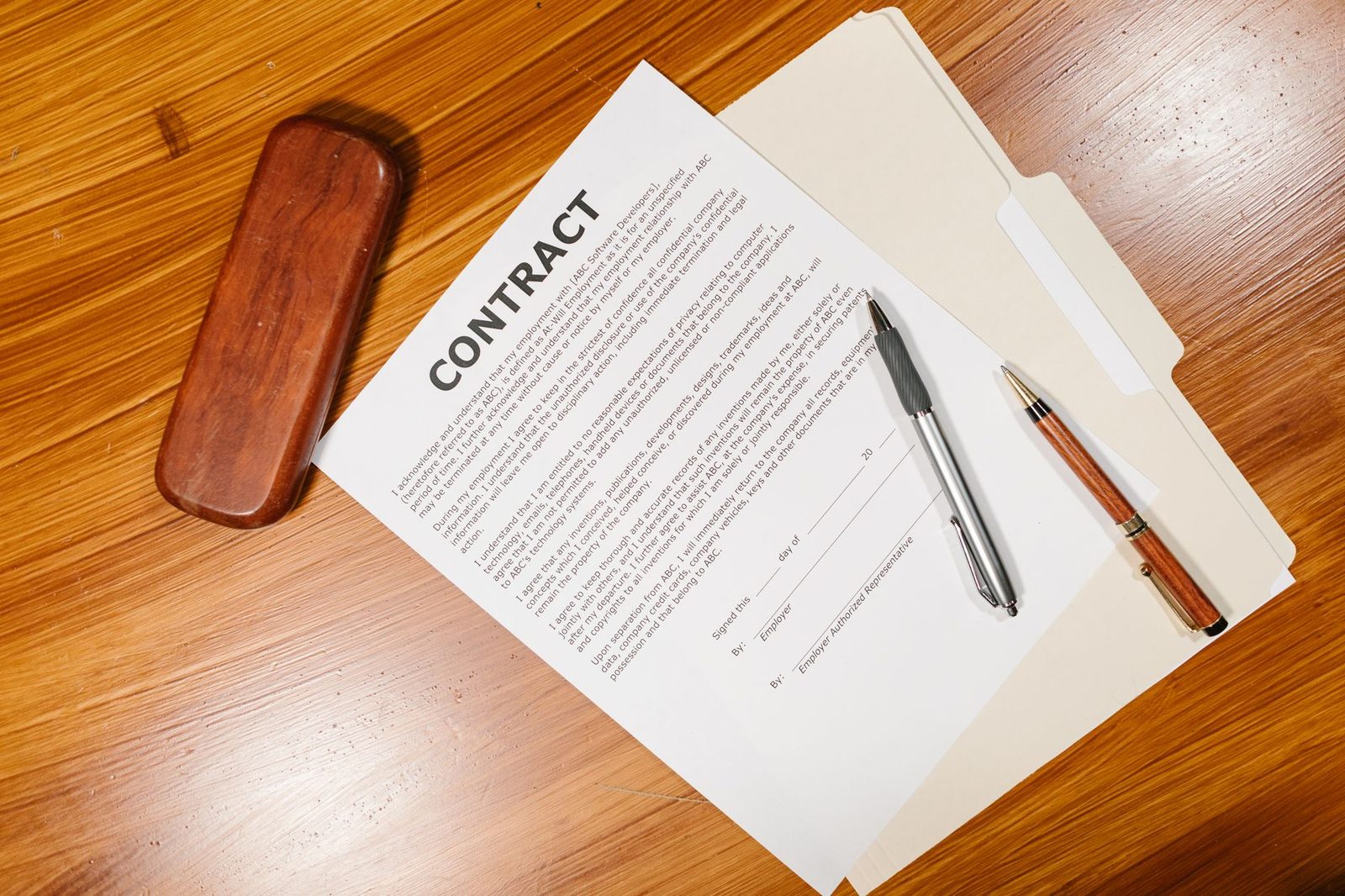
What Enforcement Covers: Common Breaches and Available Remedies
Most breaches fall into a few patterns. The settlement’s own wording defines what counts as a breach, so read it closely first.
Common breaches include:
- Missed, partial or late installment payments
- A non-cash term left undone, such as a transfer, a return of property or a delivered document
- Breach of a confidentiality or non-disparagement clause
- Refusal to sign a release or a dismissal
The route forward follows from the deal’s language and whether the court kept authority over the settlement. When a settlement comes from an offer of judgment under § 768.79 that is accepted by filing, a party may ask the court that handled the case to enforce the deal. If that route isn’t available, a separate breach of contract claim may be needed.
If the agreement requires arbitration and the other side refuses, a court must order arbitration unless it finds no enforceable agreement exists, under Fla. Stat. § 682.03.
Depending on the terms, a party may ask for money damages or for an order requiring the other side to perform.
Florida generally follows the American Rule. Each side pays its own lawyer unless a contract or statute says otherwise, as stated in Price v. Tyler. Where a contract lets a party recover fees for having to enforce it, the court may allow the other party reasonable attorney’s fees when that party prevails under Fla. Stat. § 57.105, but this applies only to contracts entered into on or after October 1, 1988. Check the agreement for a fee clause before you assume fees are recoverable.
How a Settlement Enforcement Matter Typically Proceeds
A typical matter moves in steps: gather records, check the notice rules, send a written demand, file the right case, then pursue judgment or compliance. Timing varies with the court’s calendar and how many issues the other side contests.
- Gather the paperwork. Collect the signed agreement, any amendments, the original complaint or demand, payment records and the letters or emails that show the breach. If the deal came out of mediation, note that a signed written agreement reached in mediation has no confidentiality or privilege attached, unless the parties agree otherwise, under Fla. Stat. § 44.405.
- Review the notice, cure and dispute clauses. Some agreements require written notice or a set cure period before any filing. Others send disputes to arbitration or name a governing law.
- Check the deadline. Florida sets time limits to sue. Under Fla. Stat. § 95.031, a cause of action accrues when its last element occurs.
- Send a written demand. Identify the exact term not performed, the date of the failure and what you want done.
- File in the proper place. Under Fla. Stat. § 47.011, an action must be brought where the defendant resides, where the cause of action accrued, or where the property in litigation sits, but this section does not apply to actions against nonresidents. For a Tampa Bay dispute, one of those places may be Hillsborough County.
- Respond to the defense. Expect discovery, motions and possibly a hearing.
- A judgment, order, or decree becomes a lien on real property in a county when a certified copy is recorded in that county’s official records or judgment lien record, provided the judgment, order, or decree contains the address of the person who holds the lien or a separate affidavit stating that address is recorded at the same time. For a certified copy first recorded on or after July 1, 1994, the lien lasts for an initial period of 10 years from the date of recording (Fla. Stat. § 55.10). Under Fla. Stat. § 55.10, that lien runs for an initial period of 10 years for a copy first recorded on or after July 1, 1994.
What Can Void or Challenge a Settlement Agreement
The other side may argue the deal is invalid. The usual claims involve fraud, mistake, unfair terms, or a signer who lacked authority.
- Fraud in promises. A promise of future action can be fraud if the person made it with no intention of performing, or a positive intention not to perform, as explained in Frutafino v. Dole Chile.
- Mutual mistake. Rescission for mutual mistake requires a mistake that is mutual and concerns a fact that goes to the essence of the contract, per Waterside at Boynton Homeowners’ Ass’n. Florida reads this test narrowly, and other mistake theories can apply only in limited cases.
- Ratification. Ratification occurs when a party entitled to rescind a voidable deal fails to do so after learning the facts, per Flaherty v. Flaherty. Waiting after learning those facts can matter.
- Unconscionability. A court refuses to enforce a term as unconscionable only when unfair deal-making and unfair terms are both present. Under Basulto v. Hialeah Automotive, we conclude that both the procedural and substantive aspects of unconscionability must be present, although not necessarily to the same degree, and both should be evaluated interdependently rather than as independent elements.
- An act outside that course binds the company only if members authorize it by vote, under Fla. Stat. § 605.04074.
Whether any of these arguments succeeds turns on the facts and the exact wording. Bring the full paperwork and the full history of the deal.
How a Proposal for Settlement Works in Florida
A proposal for settlement is a formal offer made inside a pending lawsuit, and it can shift fees if the other side rejects it. Florida’s offer rule is in Fla. Stat. § 768.79.
- The offer must be in writing, state that it is made under this section, name the party making it and the party receiving it, and state its total amount. For a punitive damages claim, it must state the amount offered with particularity.
- The other side has 30 days to accept by filing a written acceptance. The offer can be withdrawn in writing before acceptance is filed.
- If a defendant’s offer is rejected and the judgment is at least 25 percent less than the offer, the defendant can recover reasonable costs and attorney’s fees from the date of the offer.
- A plaintiff’s demand works the same way if the judgment is at least 25 percent greater than the demand.
- If a party is entitled to costs and fees under this section, the court may, in its discretion, find an offer was not made in good faith and disallow those costs and attorney’s fees.
An offer to compromise a disputed claim is also inadmissible to prove liability or the claim’s value, under Fla. Stat. § 90.408.
Why Work With Ayala Law PA on a Business Settlement Dispute
Ayala Law PA focuses on business litigation, including commercial and contract disputes, shareholder and partnership disputes, construction litigation, real estate litigation and international trade litigation in Florida courts and arbitration.
- Responsible lawyer: Eduardo A. Maura. Our team includes support staff who help with case organization and office work.
- Office location: Our office is at 1646 W Snow Ave in Tampa. We represent businesses in Tampa, Hillsborough County and the Tampa Bay area, and we do not maintain an office in those locations.
- What we review first: The signed agreement and amendments, the alleged breach, notice and dispute clauses, the deadlines, and what the business needs to happen next.
- Phone: (305) 570-2208.
Results turn on the facts, the document and the court. No outcome can be promised.
Not sure what your next step is?
Talk it through with our team — we can walk you through how a situation like yours is usually handled and what your options are.
Frequently Asked Questions About Enforcing a Settlement Agreement
Most questions come down to what the signed document says and whether it was valid when signed.
Is a signed settlement agreement enforceable in Florida?
Defenses such as fraud, mistake or unconscionability can still come up.
Can I enforce a settlement without filing a new lawsuit?
Sometimes. If the court kept authority over the settlement, a motion may be the route. Otherwise, a breach claim may be needed.
How is a proposal for settlement different from a settlement agreement?
A proposal for settlement is a formal offer made in a pending suit, with cost consequences under § 768.79. A settlement agreement is the signed deal itself.
What should I gather first?
Gather the signed agreement, any amendments, payment records and written correspondence about the breach.
How do fees work?
Ayala Law PA charges for case evaluations. Fee and cost terms are explained in writing before any engagement.
If you’re reviewing a deal someone else signed, or one that stalled partway through performance, you can start the conversation on our contact page and talk through the agreement with us.



