
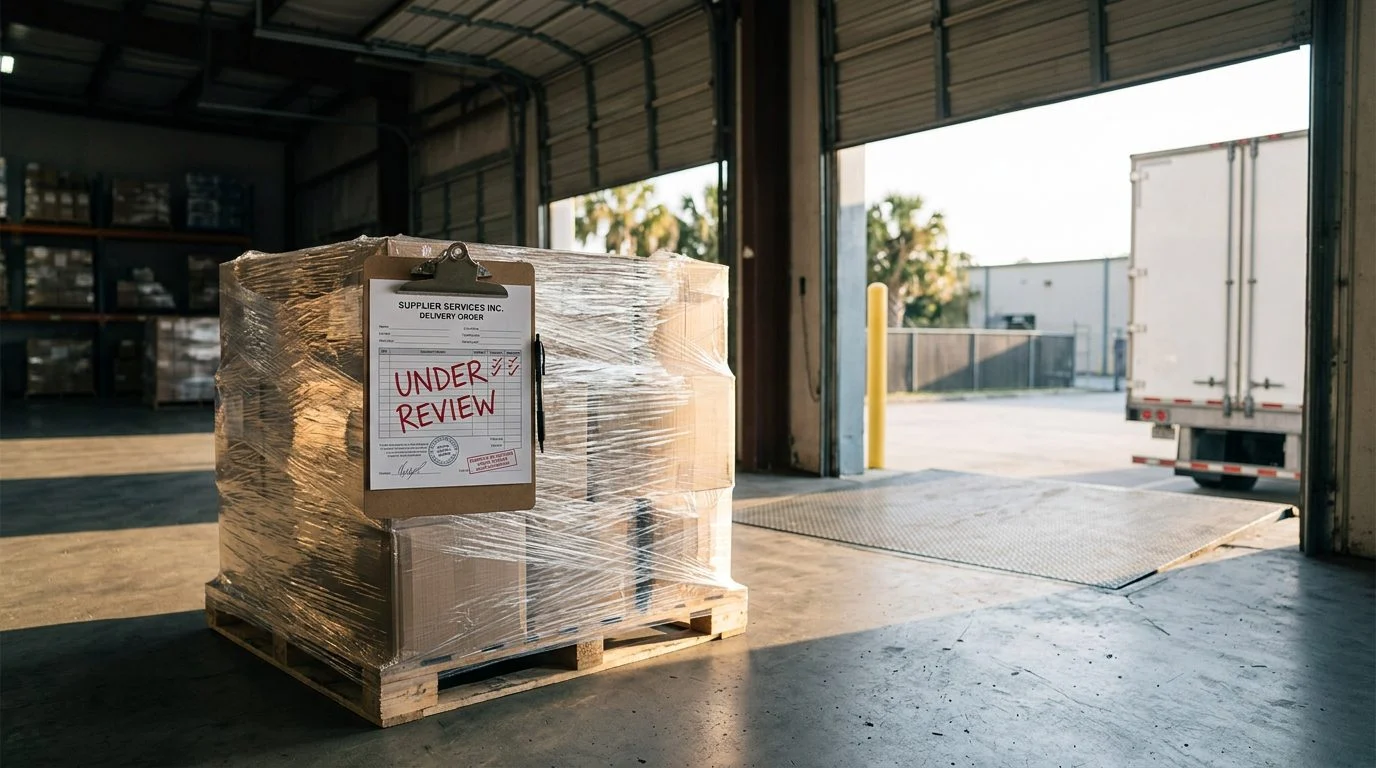
Your Tampa sale or refinance was on track until the title search turned up a recorded construction lien or a lis pendens. Title companies and lenders generally won’t fund over that kind of cloud until it’s resolved or addressed.
The short answer: pull the recorded documents first, then choose a route that fits your closing date. Florida offers several options, including a written contest, a payoff or negotiated release, escrow for a disputed amount, a transfer to a bond or deposit in some cases, and a challenge to a lis pendens.
When a Lien or Lis Pendens Stops a Tampa Commercial Sale or Refinance
A recorded lien or lis pendens stops a commercial closing because the buyer or lender is relying on clean title, and the cloud on that title is visible in the public record.
This page is for Tampa and Hillsborough County owners, sellers, and borrowers, including LLC managers, partners, and family business owners. Many readers are researching for a company or a family property and have not yet decided on counsel.
The problem often surfaces late. The lien or lis pendens usually shows up during the title search or the payoff request, and a deal that was weeks from closing can suddenly run on a tight calendar.
Construction lien questions in Florida are governed by statute, so the steps and timing that apply depend on the facts of each project and each party’s role.
If a lien or lis pendens has stalled your Tampa sale or refinance, our team at Ayala Law PA can talk through the recorded documents and your closing calendar. Talk it through with our team — we can walk you through how a situation like yours is usually handled and what your options are.

Lien vs. Lis Pendens: What Each One Means for Your Deal
A construction lien is a claim recorded against the property by a contractor, subcontractor, or supplier that says it has not been paid. A lis pendens is a notice that a lawsuit affecting the property has been filed.
The difference matters for your deal.
Judgment liens are a third type. Under § 55.10, a judgment becomes a lien on real property in a county when a certified copy is recorded in that county’s official records, as long as the lienholder’s address is included or recorded by affidavit at the same time. Fla. Stat. § 55.10 reads: “A judgment, order, or decree does not become a lien on real property unless the address of the person who has a lien as a result of such judgment, order, or decree is contained in the judgment, order, or decree or an affidavit with such address is simultaneously recorded with the judgment, order, or decree.” Fla. Stat. § 55.10 reads: “(1) A judgment, order, or decree becomes a lien on real property in any county when a certified copy of it is recorded in the official records or judgment lien record of the county, whichever is maintained at the time of recordation, provided that the judgment, order, or decree contains the address of the person who has a lien as a result of such judgment, order, or decree or a separate affidavit is recorded simultaneously with the judgment, order, or decree stating the address of the person who has a lien as a result of such judgment, order, or decree.”
Pull the recorded documents for the parcel. Check the filing date, the claimant, the amount, and the case number on any lis pendens.
Options to Clear the Title and Keep the Deal Moving
The main routes are a written contest, a negotiated payoff or release, escrow for a disputed amount, a transfer to a bond or deposit, and a challenge to a lis pendens. Each one fits different facts.
- Written contest. You send the lienor a written notice that you dispute the claim. In many cases, the dispute then moves toward a lawsuit, so timing matters.
- Payoff or release. If the amount is owed, a payment and a signed release can clear the claim. Make sure the release is recorded before closing.
- Escrow or holdback. The title company holds the disputed amount when all parties agree to that structure.
- Bond or deposit. For judgment liens, § 55.10 allows any person having an interest in the real property or the contract under which the lien is claimed to move the lien to other security. That security is a deposit or surety bond equal to the claim, plus interest at the legal rate for 3 years, plus $500 for court costs. The clerk then records a certificate, and the property is released from the lien.
- Challenge to a lis pendens. Whether a notice of lis pendens can be challenged depends on the facts of the underlying case.
Each route has trade-offs in cost, speed, and risk. The right choice depends on the facts in your file, so the documents come before the strategy.
How the Process Works and What to Expect
Expect the work to start with the paperwork, then move toward a route that fits your closing date. The schedule depends on the lienor’s response and the court’s calendar, so build in room for delay.
- Gather the file. Collect the recorded lien or lis pendens, the contract, change orders, payment applications, draw requests, and the title company’s requirements.
- Review timing and paperwork. Check recording dates, notice history, and any enforcement deadlines under Chapter 713.
- Choose the route. Match it to the deal calendar, whether that is a contest, a release, escrow, or a bond transfer.
- Prepare the closing language. Coordinate with the title company, lender, and buyer or seller so release, bond, or escrow terms are ready at closing.
- Plan for a lawsuit if needed. If the lienor sues, the court schedule and statutory clock control the pace. Under § 47.011, actions shall be brought only in the county where the defendant resides, where the cause of action accrued, or where the property in litigation is located. This section shall not apply to actions against nonresidents.
Check These Items Before You Respond to a Lien
Before you respond, check the recording date, the claimed amount, and who actually hired the party that filed. Those three facts shape every next step.
Florida sets different clocks for different claims.
Compare the claimed amount to the signed contract, change orders, and payment history, line by line.
Common mistakes owners make:
- Ignoring the notice.
- Paying the wrong party without a written release.
- Signing a settlement with no recorded satisfaction.
- Missing an enforcement deadline.
Keep every email, invoice, lien waiver, and draw request in one organized file. Avoid informal promises to pay while the title issue is open.
Why Work With Ayala Law PA on Title Problems
Ayala Law PA focuses on business litigation, construction litigation, and real estate litigation in Florida courts, including lien foreclosure matters.
The firm serves Tampa, Hillsborough County, and the Tampa Bay area from its Tampa office at 1646 W Snow Ave, Tampa, FL 33606.
Eduardo A. Maura is the responsible lawyer for this page. The firm’s lawyers and support staff work with clients from intake through resolution.
No outcome is promised. Each lien or lis pendens turns on its own documents, deadlines, and parties. Fee terms are discussed directly with the firm.
Not sure what your next step is?
Talk it through with our team — we can walk you through how a situation like yours is usually handled and what your options are.
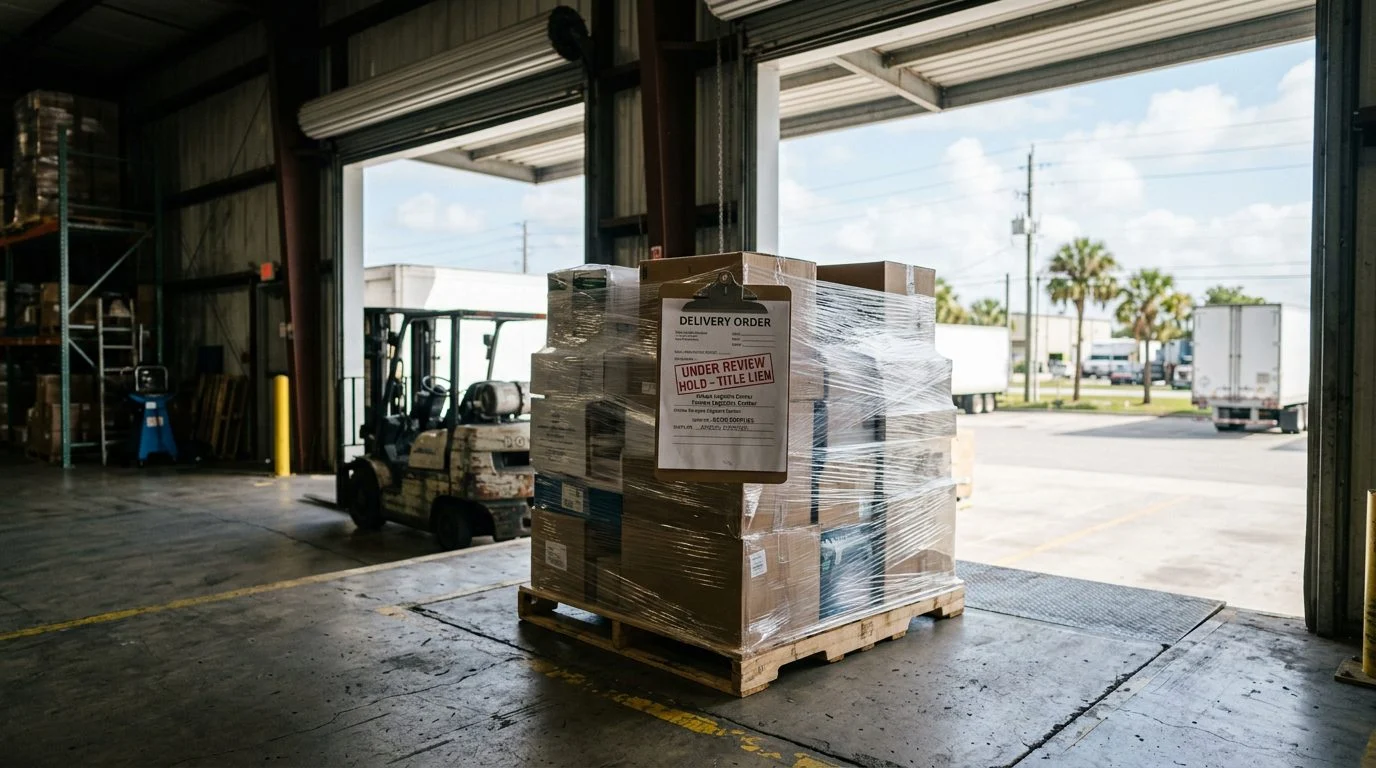
Frequently Asked Questions About Liens and Lis Pendens in Florida
Here are short answers to common questions about a title lien on a commercial deal.
What is the difference between a lien and a lis pendens?
A construction lien is a claim for unpaid work or materials. A lis pendens is a notice that a lawsuit affecting the property has been filed.
Can a lien be put on property without the owner knowing?
Yes. A recorded lien is part of the public record, and it can first surface during a title search or payoff request.
How long can a lien stay on a property in Florida?
It depends on the type of lien. A judgment lien first recorded on or after July 1, 1994 lasts an initial 10 years from the date of recording and may be extended for an additional 10 years, subject to the limitation in subsection (3), by rerecording a certified copy before the lien expires and simultaneously recording an affidavit with the current address, under § 55.10.
How do I get a lien released in Florida?
Common routes include payment with a recorded release, a negotiated release, a bond or deposit under the judgment-lien statute, or a court outcome that ends the claim. Make sure the release is recorded before closing.
Can a commercial sale in Tampa close while a title lien is open?
Often a title company needs a release, a bond, or an agreed escrow in place before it will insure the sale.
If a recorded lien or lis pendens has stopped your Tampa sale or refinance, you don’t have to work through the documents alone. Book a case evaluation with Ayala Law PA, or call (813) 414-5715 to talk through the recorded documents and your closing calendar.



