

Distribution Agreement Dispute Lawyer in Tampa
A distribution agreement dispute often starts when your supplier ends your exclusive territory, or a notice says it will. Now the contract’s deadlines matter as much as your sales numbers.
Whether a termination holds up usually turns on the contract’s notice and cure steps. A distribution agreement dispute also turns on the records each side can produce. This page explains how these disputes are built, which claims often follow, and what to preserve now.
Not sure what your next step is?
Talk it through with our team — we can walk you through how a situation like yours is usually handled and what your options are.
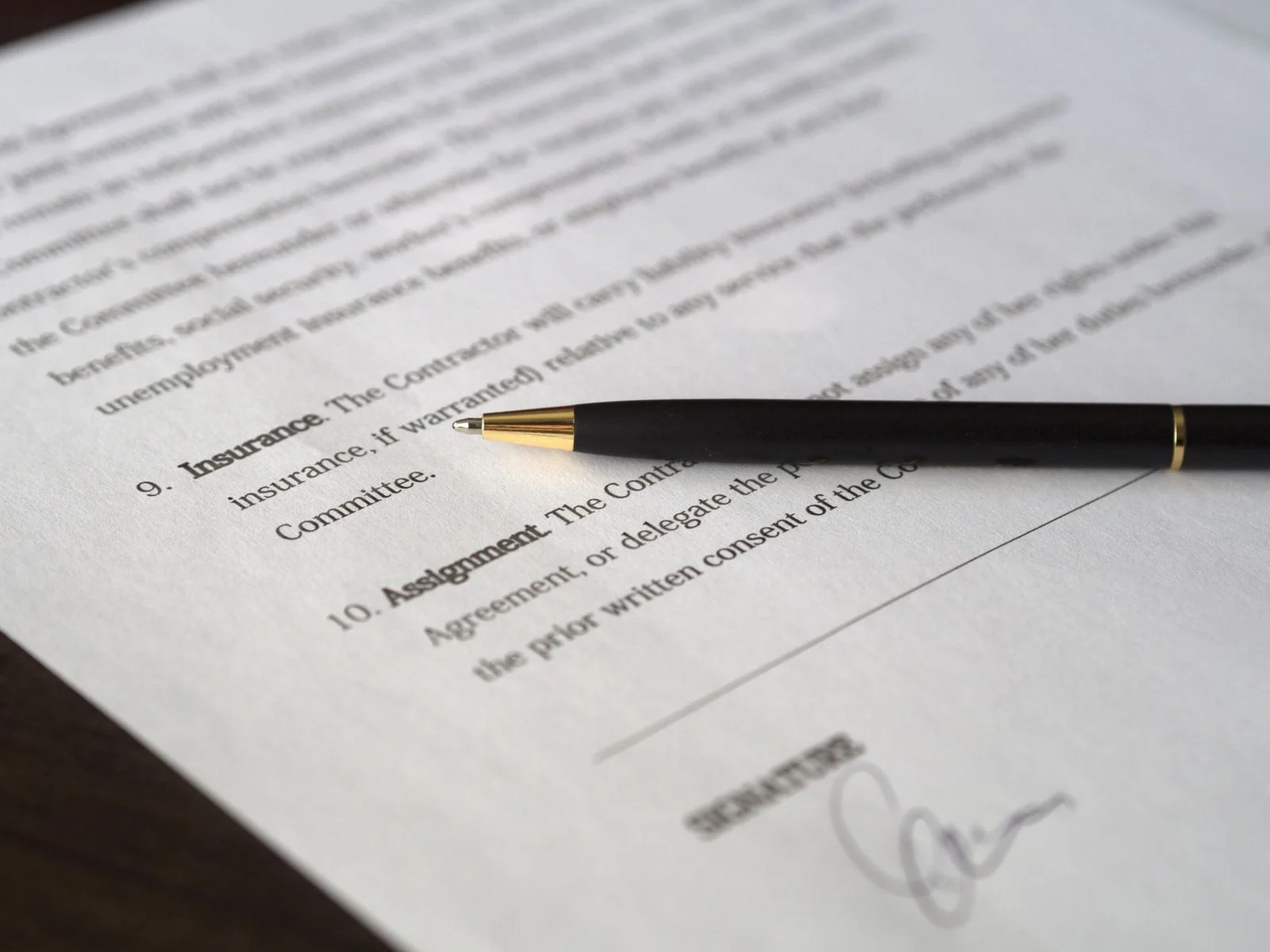
What a Distribution Agreement Termination Dispute Is
A distribution agreement termination dispute begins when one party ends, or threatens to end, an exclusive distribution, supply or sales-territory deal. The other side says the ending was improper.
Two sides usually feel the impact. The supplier or manufacturer ends the deal, often to sell through a different channel or a different distributor. The distributor or dealer holds exclusive rights, carries inventory and has often spent money on staff, marketing and equipment for the territory.
Each side reads the same contract differently. The supplier points to the termination clause. The distributor points to the exclusivity grant, the notice terms and any cure rights. That gap is where most of these fights start.
This page serves Tampa Bay businesses in either role, along with foreign suppliers and distributors that do business in Florida. For the wider picture, read our Florida contract disputes guide. Early moves matter. A notice that looks routine can start clocks that run against you.
Claims That Often Follow When an Exclusive Agreement Ends
The most common claims are wrongful termination, breach of exclusivity and failure to honor notice and cure rights.
- Wrongful termination, including ending the deal without cause when the contract requires cause or notice.
- Breach of exclusivity, such as appointing a second distributor inside the protected territory.
- Missed notice or cure periods, where the contract gives time to fix a problem and that time was skipped.
- Lost profits and reliance costs, which the other side will often challenge line by line.
- Inventory buy-back and unpaid invoices, including stock bought for the territory.
- Injunctions, such as a request to stop a competing sale.
Sales of goods carry a notice trap. Under Fla. Stat. § 672.607, a buyer who accepted goods must notify the seller of a breach within a reasonable time after he or she discovers or should have discovered it, or be barred from any remedy. The buyer also carries the burden to prove the breach.
Reading the Termination Clause Before You Act
Read the termination, notice and survival clauses first. They set each step that must happen before the relationship ends.
- Cause or no cause. The definition of cause controls whether the supplier needed a reason.
- Notice. Check who must receive it, how it must be delivered and what it must say.
- Cure periods. These give a set time to fix a breach before termination takes effect.
- Survival terms. Non-compete, buy-back, confidentiality and payment duties often continue after the deal ends.
- Forum and arbitration. These decide where the fight happens.
Florida treats a written agreement to arbitrate as valid, enforceable and irrevocable, except on grounds that exist for revoking any contract (Fla. Stat. § 682.02). Under federal law, a written arbitration provision in any maritime transaction or a contract evidencing a transaction involving commerce is valid, irrevocable and enforceable, save upon grounds that exist at law or in equity for revoking any contract or as otherwise provided in chapter 4 (9 U.S.C. § 2).
Actions are generally brought in the county where the defendant resides, where the cause of action accrued or where the property in litigation is located, but this rule does not apply to actions against nonresidents (Fla. Stat. § 47.011). Electronic signatures can also matter, so keep the signed copy and the signing record with the agreement.
Before you respond, preserve sales records, emails, notices, forecasts and inventory counts.
How a Termination Dispute Usually Moves Forward
Most distribution disputes move from document review to a written demand, then to negotiation, and only then to a filing or arbitration demand.
- Intake and document review. The agreement, amendments, notices, sales data and emails are gathered and read together.
- Demand and response. A written demand or notice of breach goes out, and the other side answers, often contesting cure rights.
- Negotiation or mediation. Many matters end in a buy-out, a transition period or an inventory arrangement.
- Filing. A complaint goes to the court the contract or the law points to, or a demand for arbitration goes out where the contract requires it.
- Discovery and motions. Records are exchanged, depositions are taken, and motions may ask for temporary relief.
- Resolution. The case ends in settlement, an arbitration award or a trial judgment.
Settlement talks are a separate track. Keep notes of what was offered and when. Florida also sets filing deadlines that differ by claim type (Fla. Stat. § 95.11), so the clock can matter long before a dispute feels urgent.
International Distribution and Cross-Border Terminations
When the distributor or supplier sits outside the United States, the choice-of-law, forum and arbitration clauses shape much of the dispute.
- Choice of law. The contract may name which country’s law governs the deal.
- Forum. The contract may call for a court or an arbitration panel, and the arbitration clause matters as described above.
- Enforcement. Collecting from a counterparty abroad adds cost and time, and it affects which forum makes sense.
- Trade records. Territory definitions, licensing terms, shipment records and customs entries often become key evidence.
Keep translated versions of the contract, payment records, shipping documents and customs entries together from the start.
Not sure what your next step is?
Talk it through with our team — we can walk you through how a situation like yours is usually handled and what your options are.
Why Businesses Work With Ayala Law PA as a Distribution Agreement Dispute Lawyer in Tampa
If you need a distribution agreement dispute lawyer in Tampa, Ayala Law PA focuses on business litigation. That includes commercial and contract disputes, shareholder disputes, construction litigation, real estate litigation and international trade litigation.
- Responsible lawyer. Eduardo A. Maura is the responsible lawyer for this page.
- Support staff. Assistants and office staff help the firm’s lawyers with document handling and scheduling. Our team works through the agreement, notices and records with you.
- Office location. The firm’s only office is at 1646 W Snow Ave in Tampa, Florida, and it serves businesses in Tampa and Hillsborough County from there. The firm serves businesses in Tampa, Hillsborough County, Brandon, Riverview, Plant City, Temple Terrace and the wider Tampa Bay area.
- Clear sourcing. Where this page relies on a specific statute, it names that statute.
- Fees. Fee terms are discussed directly when you make contact.
Common Questions About Distribution Agreement Terminations
Here are short answers to common questions business owners ask about a distribution agreement dispute in Tampa.
Can a supplier end an exclusive distribution agreement without a reason?
Only if the termination clause allows it. Even then, the notice and survival terms still apply.
Does a termination notice end my obligations right away?
Often not. Cure periods and survival clauses can keep obligations running after notice is sent.
Is an e-signed distribution agreement enforceable?
Electronic signatures can be enforceable, but the answer turns on how the agreement was signed and kept.
Can a court stop a former distributor from selling competing products?
Injunctions are one remedy parties sometimes seek in business disputes, and whether one is appropriate depends on the facts of each case.
What damages can be recovered?
Lost profits, reliance costs and inventory amounts are common claims. Any damage limits in the contract also apply.
Should we keep selling under the old terms while we negotiate?
Keep records of every order and put your position in writing. That keeps the record clear if the other side later argues you accepted the new terms.
How long do we have to act?
Florida sets filing deadlines that differ by claim type. Act early rather than waiting for the other side to move.

Next Step: Contact the Firm About Your Termination Notice
If a termination notice has arrived, the cure period and other contract deadlines may already be running.
Bring the agreement, the notice and the dates you received them. Call (813) 414-5715 or request a case evaluation with Ayala Law PA before your next contract date passes.



