
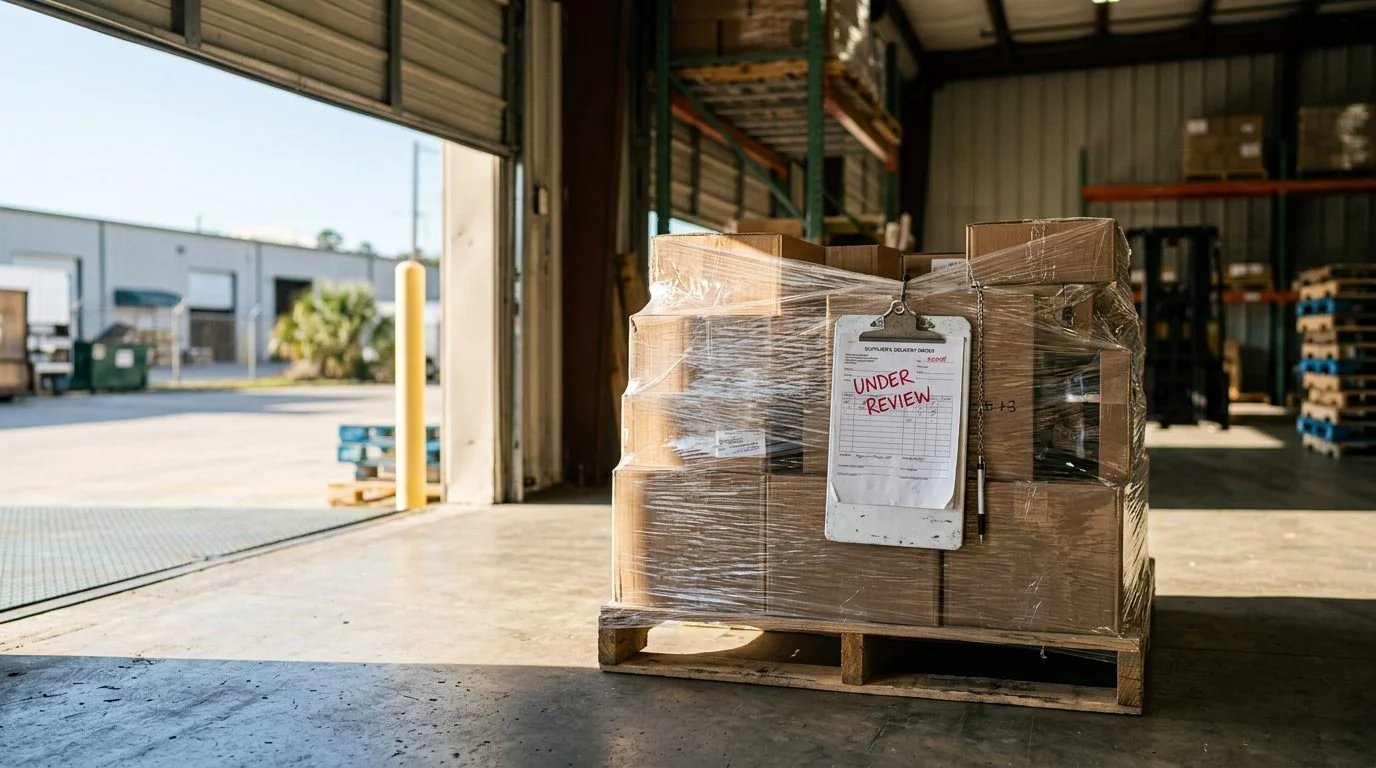
You pulled a title search and found a document you never signed, recorded against your commercial property. Now a sale, loan, or lease may be stalled. A recorded paper isn’t automatically valid, but it stays in the public record until someone challenges it. The first steps are to confirm the paper is unauthorized, save proof, and see what it does to your plans. Here is how owners in Tampa and Hillsborough County can work through each step.
Fake Recorded Documents Against Commercial Property: What They Mean
A fake recorded document is a deed, lien, assignment, or other paper filed in the county’s official records that claims rights in your property without authority. The Hillsborough County Clerk of Court keeps those records, and anyone can search them. Once recorded, the paper becomes part of the property’s public history.
That’s why a fake can hurt you even if you never signed it. It creates a cloud on title, a claim that makes your ownership look uncertain. Lenders, buyers, tenants, and title companies run searches and see the filing.
Owners usually find out when a title search runs for a sale or refinance, when a lender or tenant asks about a filing, or when a title company sends a notice. Each route starts a clock, because the business now has to answer questions it didn’t plan for. The steps available turn on who holds title on record, whether that is a building, a lot, or an LLC-owned parcel.
If you found a filing you never signed against your commercial property, you may have options, and our team can talk them through with you whenever you're ready to get in touch. Talk it through with our team — we can walk you through how a situation like yours is usually handled and what your options are.
How to Confirm a Recorded Document Is Fake or Unauthorized
Confirming a fake starts with the actual recorded paper, not a summary of it. Pull the instrument from the Clerk’s official records and save a copy that shows the recording date and the book and page number.
Next, compare it to your own records. Check the named grantor, the signatures, the legal description, and the parcel ID against your ownership history and the Hillsborough County Property Appraiser’s records. Any mismatch is a reason for a closer look.
Then check the signing details. Florida law generally requires instruments that create, transfer, or release freehold interests, interests for a term of more than 1 year, or uncertain interests in real property to be signed before two subscribing witnesses, with an exception for leases. Look at the notary block too. Does it name a real notary, and do the dates and addresses make sense?
Finally, ask inside your company who signed, approved, or knew about the paper. That includes managers, members, officers, and property agents. Write the answers down now. Whether the paper is a forgery or a real signature used without authority depends on the facts, and a closer review is often needed to tell which one you have.
What to Do in the First Days After You Find the Filing
In the first days, preserve evidence and keep communications tight. Save the recorded copy, screenshots of the county search, emails and texts about the property, lease files, and any record of who has accessed the building or lot. Store originals where they can’t be changed.
Avoid confronting the person who recorded the paper. Angry statements, threats, or online posts can complicate a later case.
If you hold an owner’s title insurance policy, read it and notify the insurer. Coverage questions turn on the policy wording, so don’t assume a claim is covered. Ask the insurer for its answer in writing.
If a sale, refinance, or lease is pending, list who needs to know and what has been said so far. Keep updates short, accurate, and in writing. A written update is easier to stand behind than a phone call no one recorded.
For a broader view of how property disputes move through Florida courts, read our real estate litigation overview.
Florida Laws and Remedies for a False Recorded Document
Florida offers criminal and civil routes, and they run on separate tracks. A criminal report goes to law enforcement and prosecutors. A civil case asks a judge to decide who holds the interest in the property.
Under Florida law, knowingly making a false written declaration to verify a document is perjury by false written declaration, a felony of the third degree.
In real estate disputes, the central question is often who holds an interest in a property and how competing claims to that interest will be resolved. The right remedy turns on who filed the paper and what it claims.
Court cases in Florida follow the Florida Rules of Civil Procedure, which govern pleadings and discovery in circuit court.
Watch the fee risk, too. Build claims on evidence. No outcome can be promised, because results turn on the recorded paper, the evidence, and the court’s rulings.
How a Fake Recording Affects Sales, Financing, and Leases
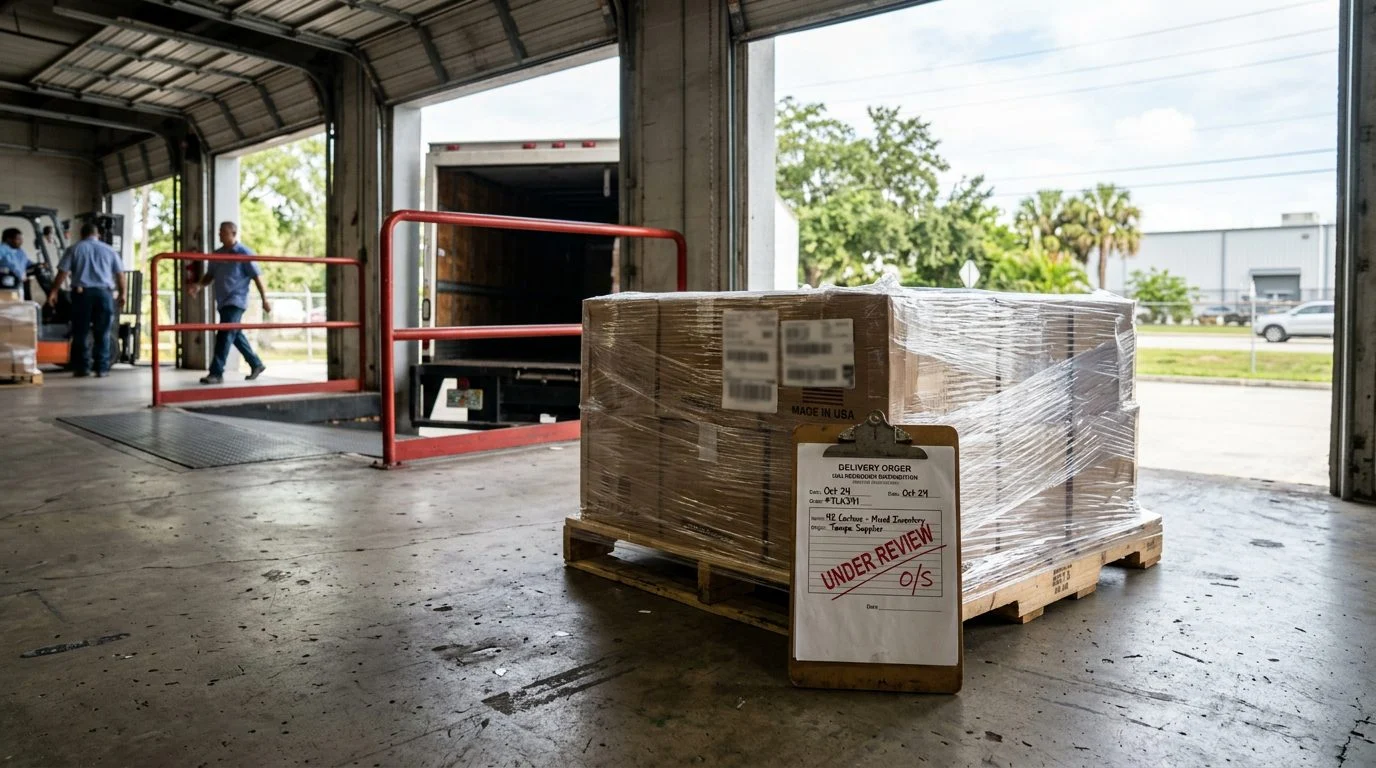
A fake recording can stop a sale or loan until the title problem is cleared. Title companies and lenders check the record before they fund or insure. If an unresolved claim appears, they may refuse to close or ask that it be cleared first.
A lawsuit adds another layer. A notice of lis pendens, recorded in the county records, gives notice that an action affects the property. A notice of lis pendens operates on the property only if it is recorded in the official records of the county where the property is located. The notice generally expires one year after the case begins, unless the case rests on a recorded instrument or a construction lien. A court can extend a notice of lis pendens on reasonable notice and for good cause, and must discharge it when the pending pleading does not show the action is founded on a duly recorded instrument or a construction lien, or when the action no longer affects the property.
Your loan documents may set their own notice rules, so read them before you answer a lender. Tenants and insurers may ask questions too. Keep every answer accurate and in writing.
Finally, a filer or a buyer may press for a quick deal. Review the paper and the facts before agreeing to any terms. A rushed settlement can lock in a result you didn’t choose.
How to Protect Your Commercial Property Title Going Forward
Regular record checks and current company records make a fake filing easier to spot and easier to answer. Set a schedule to check the county’s official records for each parcel. Note the parcel IDs and the company names that should appear. A filing with a different name or parcel stands out fast.
Keep company records current, too. An LLC must keep at its principal office or another location a current list of members and managers, its operating agreement, its filed organizing documents, the 3 most recent years of federal, state, and local income tax returns, and the 3 most recent years of financial statements, along with other listed records, including each other record about the company’s activities, affairs, and financial condition that is material to a member’s rights and duties. Fla. Stat. § 605.0410
Authority rules matter for LLC parcels. Fla. Stat. § 605.04074
Also keep your title policy and closing documents on file for each parcel. Owners dealing with other lot-line conflicts can read about commercial boundary disputes in Hillsborough County.
Not sure what your next step is?
Talk it through with our team — we can walk you through how a situation like yours is usually handled and what your options are.
Common Questions About Fake Recorded Documents in Tampa
Recording a document doesn’t prove it’s real, and acting early is usually wise. The answers below cover the questions owners ask most.
Does a document in county records make it valid?
No. Recording can give the public notice of a paper, but it doesn’t prove the paper is genuine. Witnessing rules don’t block a challenge based on fraud, forgery, or impersonation. Fla. Stat. § 689.01
Should I act quickly?
Usually, yes. Pending sales and loans move on their own timelines. A notice of lis pendens can expire one year after a case begins, unless an exception applies. Fla. Stat. § 48.23
Can someone who never owned the property record a claim?
Yes. A person can record a paper claiming rights they don’t have. Each claim has to be examined on its merits.
Can a Tampa owner handle this without a lawyer?
Complex title and litigation questions are often easier to sort out with a lawyer reviewing the file. How you proceed is your decision.
Talk Through Your Situation With Ayala Law PA in Tampa
If you found a paper you never signed, you don’t have to sort the records out alone. It can land in the middle of a sale, a loan, a lease, or a dispute with a partner, and that’s stressful.
Before you call, gather the recorded copy with its book and page, the parcel ID, your ownership records, your company documents, any title policy, and a short timeline of when the problem surfaced. Ayala Law PA handles business litigation, commercial litigation, contract disputes, shareholder disputes, construction litigation, real estate litigation, and international trade litigation. It serves Tampa, Hillsborough County, and the Tampa Bay area from its office at 1646 W Snow Ave, Tampa, FL 33606.
To talk through your filing, call (813) 414-5715 or reach out through our contact page. Fee terms are explained before any engagement begins.
Attorney advertising. Eduardo A. Maura is responsible for this page. Nothing on this page predicts how a matter will turn out.



