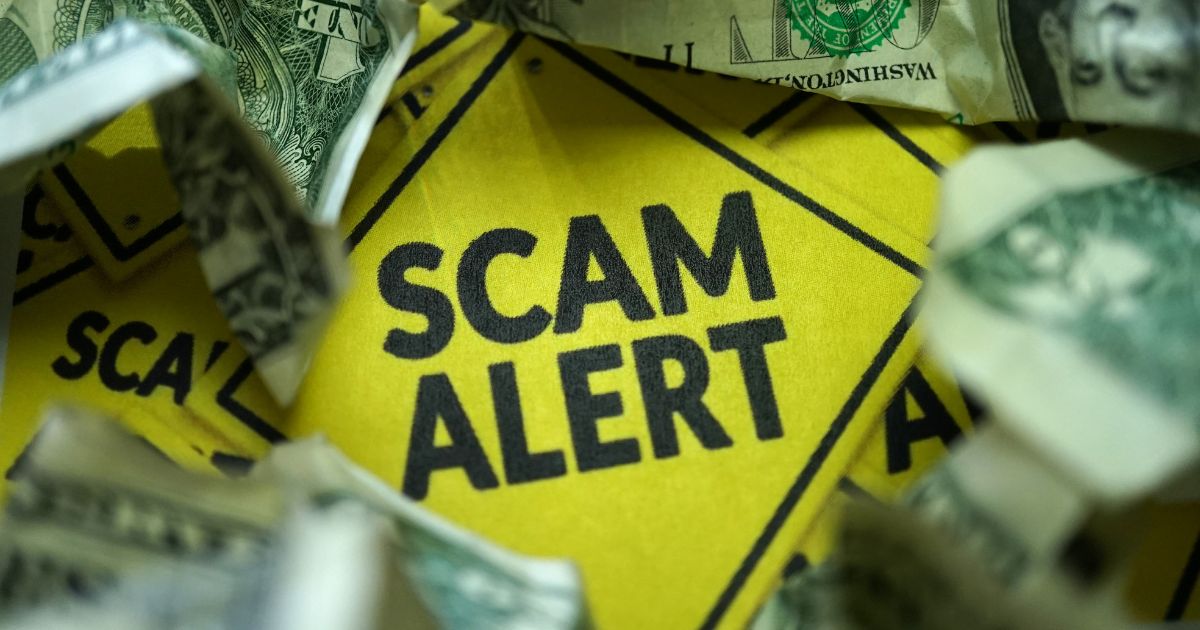
 If you are a South American exporter, selling to the United States can feel both exciting and risky. On one hand, the U.S. market offers high demand, strong purchasing power, and the chance to scale your business. On the other hand, exporters deal every day with late payments, missing payments, fake buyers, forged documentation, and U.S. companies that disappear as soon as the shipment arrives.
At our law firm, we represent many South American companies, producers, manufacturers, distributors, and agricultural exporters, who run into payment disputes with U.S. buyers. We see the same patterns over and over, and most of these problems could have been avoided with proper vetting and better contract terms.
This guide breaks down how South American exporters can check whether a U.S. buyer is legitimate, financially stable, and safe to work with before you ship a single box.
How to Verify if a U.S. Buyer Is Legitimate: Steps Every Exporter Should Take
The good news: the U.S. has publicly available databases that make verification easier.
Check U.S. Corporate Registration Records
Every U.S. business is registered at the state level. Each state has an online database (called a Secretary of State Corporate Search) where you can confirm:
- Whether the company legally exists
- Whether it is active or dissolved
- The company’s owners or registered agent
- When it was formed
A company that was created a few weeks ago or has no active status is a red flag.
Confirm the Buyer’s Federal Tax ID (EIN)
Legitimate U.S. companies will have an Employer Identification Number. While you cannot look these up directly, you can, and should, ask for documentation that shows:
- EIN number
- Company name registered with the IRS
- Physical business address
A buyer that hesitates or refuses to provide this is not worth the risk.
Review the Buyer’s Website and Digital Footprint
Many fraud cases involve buyers with websites that look real at first glance but fall apart under closer inspection.
Check for:
- A legitimate physical office address, not a UPS mailbox
- Employee profiles on LinkedIn
- A history of online presence older than a few months
- Real photos, not stock images
If everything looks too perfect or brand-new, you should proceed carefully.
How to Check a U.S. Buyer’s Financial Stability Before Exporting
Here are the steps we recommend to all exporters:
Request Trade References and Verify Them
Ask the buyer for references from other suppliers, preferably outside the U.S. If they refuse, that is a warning sign.
When calling references, ask:
- How long they have worked with the buyer
- How payments were handled
- Whether the buyer ever defaulted
- Whether the buyer respects contract terms
A scammer will not be able to provide credible references.
Search for Civil Lawsuits or Bankruptcy Filings
Most U.S. court filings are public. A quick search can reveal:
- Unpaid invoices
- Contract breaches
- Bankruptcy filings
- Fraud allegations
If a buyer has a trail of litigation behind them, take that seriously.
Use a Secure Payment Structure Instead of Trust Alone
Many exporters get into trouble because they rely on “good faith” or informal agreements. Instead, use:
- Down payments before production
- Progress payments during production
- Escrow arrangements
- Letters of credit
- Payment against documents (CAD)
The less money the buyer pays upfront, the higher your risk.
Contract Terms Every Exporter Should Use to Avoid Payment Disputes With U.S. Buyers
Below are the contract protections we recommend.
Use Written Contracts, Not WhatsApp or Email Chains
WhatsApp messages help explain communication, but they do not replace a formal, enforceable contract. Your agreement should include:
- Quantity and quality standards
- Shipping Incoterms
- Payment deadlines
- Late-payment interest
- Choice of law and venue
- Dispute resolution terms
A real contract stops many problems before they start.
Include Clear Payment Enforcement Clauses
Your contract should state what happens if the buyer does not pay, including:
- Suspension of future shipments
- Right to recover legal fees
- Right to recover storage or demurrage costs
- Personal guarantee from a company owner when possible
These terms give you leverage if the buyer becomes difficult.
Choose the Correct Jurisdiction
If the buyer is in the U.S., your contract should require disputes to be resolved:
- In U.S. courts
- Under U.S. law
- In a specific state that favors business contracts (like Florida)
This is one of the most important clauses for South American exporters. Without it, enforcing payment can become expensive and slow.
Red Flags That Suggest a U.S. Buyer May Be a Scam
Here are the most common warning signs:
- Buyer refuses to video call or show their facilities
- Buyer wants fast shipment but slow payment
- Buyer offers unusually high pricing
- Company recently formed or with no digital footprint
- Buyer avoids providing ID or company documents
- Buyer insists on full shipment with no upfront payment
If you notice several of these, consider walking away.
What to Do If a U.S. Buyer Already Owes You Money
If you shipped products and the buyer is not paying, time is critical. The longer you wait, the easier it is for the buyer to dissolve the company or transfer assets.
Our law firm frequently handles:
- Nonpayment disputes
- Breach of contract claims
- Fraud by U.S. buyers
- Enforcement actions in federal and state courts
Many South American exporters believe they cannot sue a U.S. buyer from abroad, but that is not true. With the right venue clause or evidence, you can litigate in the United States and recover what you are owed.
Speak With Our Attorneys About Vetting a U.S. Buyer or Handling a Payment Dispute
Our firm works closely with South American exporters across industries such as agriculture, textiles, manufacturing, produce, construction materials, and consumer goods.
If you need help vetting a potential U.S. buyer, drafting a contract, or pursuing unpaid invoices, contact an experienced attorney in Miami at 305-570-2208.You can also contact our team directly at: arianna@ayalalawpa.com
Schedule a case evaluation online here.
[The opinions in this blog are not intended to be legal advice. You should consult with an attorney about the particulars of your case].
export
Subscribe to Our Blog
Stay informed with our latest blog posts delivered directly to your inbox. Gain valuable legal insights, tips, and advice from our seasoned attorneys.