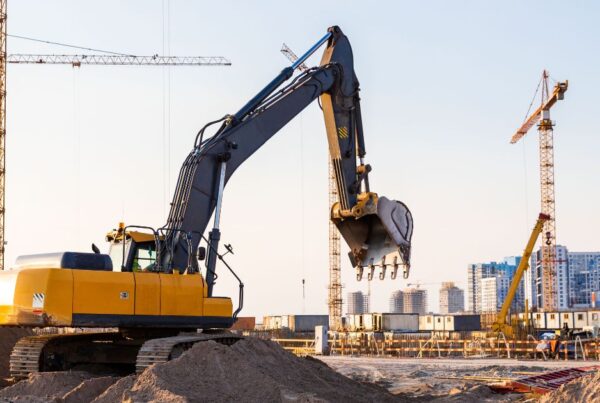
Construction projects are exciting when everything is moving according to plan. But when delays, cost overruns, defective work, or payment disputes arise, excitement can quickly turn into expensive litigation. For developers and real estate investors, one of the biggest mistakes is assuming that a standard construction contract offers enough protection.
The reality is that a construction contract is much more than paperwork. It serves as the roadmap for the entire project, defining responsibilities, allocating risk, and establishing what happens when things don’t go as planned.
Whether you’re developing a commercial property, renovating an investment property, or building from the ground up, understanding the essential clauses in your construction contract can help you avoid costly disputes later.
What Should Be Included in a Construction Contract?
Many people search online for a “construction contract template” or download generic agreements without realizing that every project carries unique legal risks. A well-drafted construction contract should clearly answer questions such as:
- Who is responsible for what?
- When must the work be completed?
- How will payments be made?
- What happens if unexpected problems arise?
- How will disputes be resolved?
The more questions your contract answers before construction begins, the fewer arguments you’ll likely face during the project.
Scope of Work: Preventing Disputes Before Construction Begins
One of the most common causes of construction litigation is disagreement over what the contractor was actually hired to do. A vague scope of work creates room for misunderstandings, change order disputes, and claims that certain work was never included.
Your contract should clearly define:
- The specific work being performed
- Materials and products to be used
- Construction plans and specifications
- Quality standards
- Project milestones
The clearer the scope, the easier it becomes to determine whether contractual obligations have been met.
How Should Construction Payment Terms Be Written?
Payment disputes frequently lead to mechanic’s liens, breach of contract claims, and stalled construction projects. Instead of simply stating the total project price, your contract should address:
- Payment schedules tied to project milestones
- Retainage provisions
- Conditions for final payment
- Procedures for approving invoices
- Documentation required before payment
Developers and investors should also ensure the contract addresses lien waivers and releases as payments are made throughout the project.
Why Change Order Clauses Are Critical
Construction projects rarely unfold exactly as originally planned. Unexpected site conditions, owner-requested modifications, supply shortages, or design revisions often require changes after construction has begun.
Without a detailed change order provision, disagreements can arise over:
- Whether extra work was authorized
- How much additional work should cost
- Whether project deadlines should be extended
A good change order clause requires written approval before additional work begins, protecting both parties from future disputes.
What Happens if the Project Is Delayed?
Project delays can have significant financial consequences, particularly for commercial developments and investment properties. Construction contracts should clearly address:
- Project completion deadlines
- Events that justify schedule extensions
- Contractor notice requirements
- Liquidated damages, if appropriate
- Excusable delays such as severe weather or governmental actions
Addressing delays before construction begins helps minimize uncertainty if the schedule changes later.
Construction Defect and Warranty Provisions
Even after construction is complete, disputes can arise over defective workmanship or materials. Your construction contract should clearly explain:
- Warranty periods
- Contractor repair obligations
- Procedures for reporting defects
- Time limits for making warranty claims
These provisions create a clear process for resolving problems before they become larger legal disputes.
Insurance and Indemnification Clauses Protect Everyone
Construction projects involve multiple parties, subcontractors, suppliers, and potential safety risks. Your contract should specify:
- Required insurance coverage
- Workers’ compensation requirements
- General liability insurance
- Builder’s risk insurance when appropriate
- Indemnification obligations between the parties
These clauses help determine who bears responsibility if someone is injured or property damage occurs during construction.
Why Every Construction Contract Needs a Dispute Resolution Clause
Even with a carefully drafted agreement, disputes can still happen. Rather than deciding how to resolve the conflict after emotions have escalated, your contract should establish the process from the beginning.
Depending on the project, dispute resolution provisions may include:
- Informal negotiations
- Mediation
- Arbitration
- Litigation in Florida courts
- Choice of law and venue provisions
Choosing the right dispute resolution method can significantly reduce both legal costs and project delays.
Construction Contracts Should Also Address Termination Rights
Sometimes projects simply cannot continue. A construction contract should explain:
- When either party may terminate the agreement
- Required notice procedures
- Payment obligations after termination
- Responsibility for unfinished work
- Transfer of project documents and materials
Without these provisions, ending a construction project often becomes far more complicated than necessary.
Why Developers and Investors Should Never Rely on Generic Construction Contracts
Generic online templates often fail to account for Florida construction law, local regulations, or the unique risks associated with commercial development and investment properties. A contract that works well for one project may leave significant gaps in another.
For developers and investors managing substantial financial investments, customized construction contracts provide far greater protection than one-size-fits-all forms downloaded from the internet.
A properly drafted agreement can help reduce the likelihood of construction litigation, minimize business interruptions, and provide a clear framework for resolving disputes if they arise.
Protect Your Construction Project Before Problems Begin
Construction disputes are often won or lost long before anyone steps into a courtroom. The contract signed before work begins frequently determines how disagreements are resolved, who bears financial responsibility, and whether a project stays on schedule.
At our law firm, we assist developers, investors, contractors, and business owners with drafting, reviewing, and negotiating construction contracts designed to protect their interests from the outset.
If you’re planning a construction project or need help resolving a construction contract dispute, contact one of our experienced attorneys at 305-570-2208.
You can also contact our team directly at: arianna@ayalalawpa.com
Schedule a case evaluation online here.
[The opinions in this blog are not intended to be legal advice. You should consult with an attorney about the particulars of your case].
Subscribe to Our Blog
Stay informed with our latest blog posts delivered directly to your inbox. Gain valuable legal insights, tips, and advice from our seasoned attorneys.