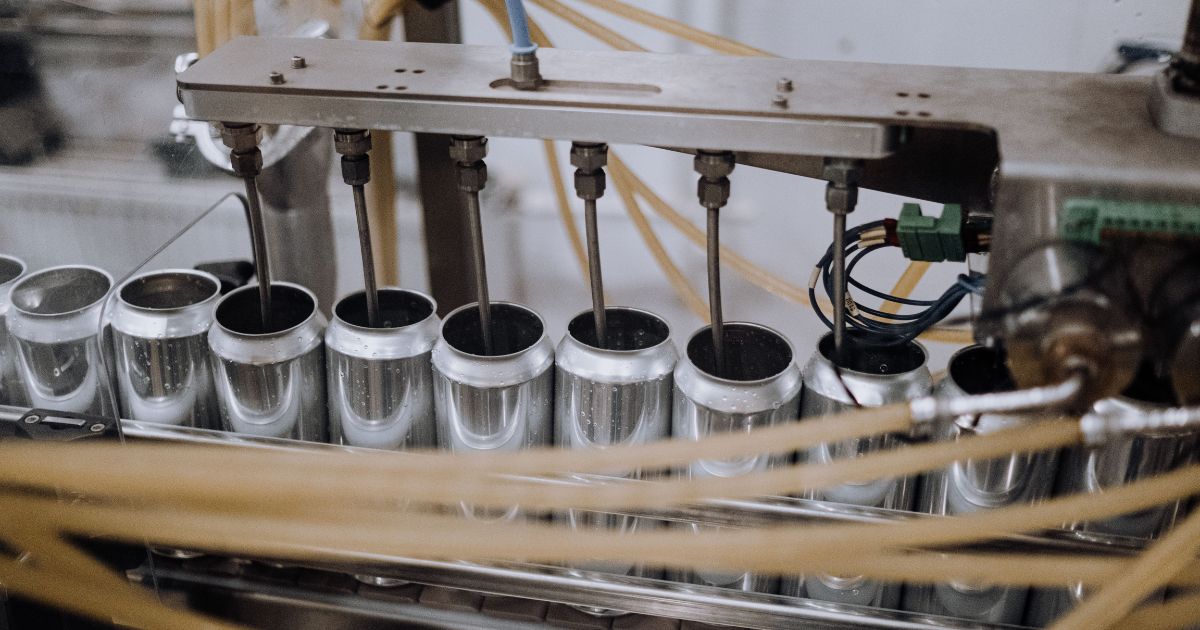
 Modern manufacturing rarely happens under one roof. A company designs a product in Florida. Components are sourced from multiple suppliers. Assembly is performed by a subcontractor. Packaging is handled by another company. Distribution may involve several additional parties before the product reaches consumers.
This layered approach allows businesses to scale efficiently and reduce costs. However, when a product defect surfaces, many business owners discover an uncomfortable reality: liability does not always stop with the subcontractor who caused the problem.
If your company manufactures, imports, distributes, or sells products, understanding the legal risks hidden within multi-tiered manufacturing agreements is critical.
Can a Company Be Sued for a Subcontractor’s Defective Product?
In many cases, yes. One of the most common misconceptions in manufacturing is that responsibility automatically belongs to the party that physically created the defective component. Unfortunately, courts often take a broader view.
Depending on the circumstances, claims may be brought against:
- The manufacturer
- The brand owner
- The distributor
- The importer
- The wholesaler
- Multiple parties within the supply chain
From a customer’s perspective, the company whose name appears on the product may be the primary target, regardless of which subcontractor actually caused the defect.
Why Multi-Tiered Supply Chains Create Additional Risk
The more parties involved in production, the greater the opportunity for communication failures, quality control issues, and contractual disputes.
Consider a simple example: A Florida company sells industrial equipment under its brand. One subcontractor manufactures a critical component. Another company assembles the final product. Months later, a defect causes substantial losses for customers.
At that point, several questions immediately arise:
- Who caused the defect?
- Who had responsibility for quality control?
- Who approved the specifications?
- Who bears financial responsibility for customer claims?
If the contracts fail to answer these questions clearly, litigation often follows.
What Happens When Manufacturing Agreements Do Not Address Product Liability?
Many businesses focus heavily on pricing, production timelines, and delivery schedules while giving little attention to risk allocation provisions. This can become an expensive mistake.
Well-drafted manufacturing agreements often address:
- Indemnification obligations
- Product warranties
- Insurance requirements
- Quality control standards
- Product testing procedures
- Recall responsibilities
- Dispute resolution mechanisms
Without these protections, a company may find itself paying for problems created entirely by someone else.
How Indemnification Clauses Protect Manufacturers and Distributors
Business owners frequently ask, “If my subcontractor caused the defect, can’t I simply recover my losses from them?” The answer depends largely on the contract.
An indemnification provision may require the subcontractor to defend and reimburse your company if a claim arises from their defective work or products. However, poorly drafted indemnification clauses often create disputes regarding:
- The scope of coverage
- Defense obligations
- Attorney’s fees
- Settlement authority
- Insurance requirements
When significant financial exposure is involved, parties frequently disagree about who must ultimately pay.
What If the Subcontractor Cannot Pay?
Even when liability clearly belongs to the subcontractor, recovery is not always guaranteed. Many smaller suppliers and manufacturers lack the financial resources necessary to satisfy a substantial judgment. This creates a practical problem for businesses relying on lower-cost vendors.
A favorable court ruling has limited value if the responsible party lacks sufficient assets or insurance coverage. That is why sophisticated manufacturers often perform legal and financial due diligence on key suppliers before entering long-term agreements.
How Businesses Can Reduce Product Defect Liability
Risk cannot be eliminated entirely, but it can be managed. Companies involved in manufacturing and distribution should regularly review their supplier and subcontractor agreements to ensure they adequately address liability exposure.
Important areas to evaluate include insurance requirements, indemnification language, quality control obligations, warranty provisions, and dispute resolution procedures. Just as importantly, businesses should avoid relying on outdated contracts that no longer reflect the realities of today’s supply chains.
Why Product Defect Disputes Often Become Business Litigation Cases
When a defective product causes financial losses, the dispute frequently expands beyond the original defect itself. Claims may involve breach of contract, breach of warranty, negligence, indemnification disputes, supplier disagreements, and complex commercial litigation between multiple companies.
The result can be years of litigation and significant financial exposure. Businesses that proactively address these risks through carefully drafted manufacturing agreements are often in a much stronger position when problems arise. At Ayala Law, we represent manufacturers, distributors, importers, exporters, and business owners in complex commercial disputes throughout Florida.
Whether you are negotiating supplier agreements, responding to product defect claims, or pursuing recovery against a subcontractor, contact one of our experienced attorneys at 305-570-2208.
You can also contact our team directly at: arianna@ayalalawpa.com
Schedule a case evaluation online here.
[The opinions in this blog are not intended to be legal advice. You should consult with an attorney about the particulars of your case].
Subscribe to Our Blog
Stay informed with our latest blog posts delivered directly to your inbox. Gain valuable legal insights, tips, and advice from our seasoned attorneys.