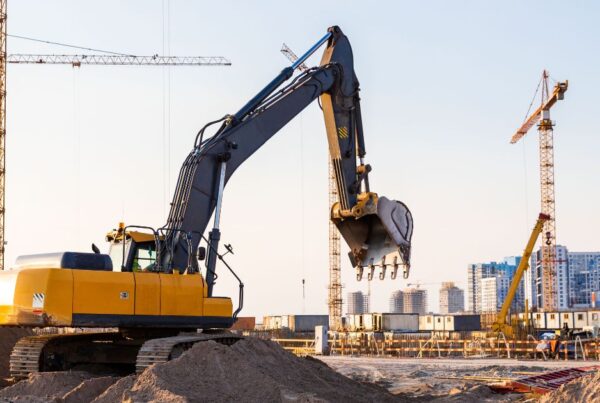
 Mixed-use developments are becoming an increasingly important part of Florida’s real estate landscape. Projects that combine residential units, retail, restaurants, offices, hotels, and other commercial uses can create significant opportunities for developers, but they also create a complicated web of contracts, obligations, and potential disputes.
A project can look promising on paper and still run into serious legal problems if the agreements governing the development are unclear, incomplete, or poorly coordinated. For Florida developers, understanding these risks early can make the difference between resolving a disagreement quickly and facing expensive litigation that threatens the project itself.
Why Are Mixed-Use Development Contracts So Complicated?
A traditional development project may already involve agreements between the developer, contractors, lenders, architects, engineers, property owners, and tenants. A mixed-use development can involve all of these parties while adding additional layers of complexity.
Different portions of the property may have different purposes, tenants, construction requirements, financing arrangements, and operating expectations. A problem with one part of the development can also affect the others. That is why developers should not view each contract in isolation. The agreements need to work together and clearly establish who is responsible for what.
What Contract Issues Do Mixed-Use Developers Face?
One of the most common problems is ambiguity. If a contract does not clearly address an important responsibility, two parties may have completely different interpretations of their obligations. Common areas of concern include:
Construction obligations. Development agreements and construction contracts should clearly address scope of work, deadlines, change orders, payment, delays, warranties, and responsibility for defective work.
Delays and cost overruns. Construction delays can create a chain reaction. A delay by one contractor may affect another contractor, tenant opening dates, financing obligations, and the developer’s projected revenue.
Tenant and lease agreements. Retail and commercial tenants may have specific requirements concerning construction, signage, access, parking, utilities, operating hours, and common areas. Those obligations should be coordinated with the developer’s other agreements.
Shared expenses and common areas. Mixed-use properties frequently involve parking garages, elevators, entrances, landscaping, utilities, security, and other facilities shared by different occupants. Contracts should establish how those areas are maintained and how costs are allocated.
How Can Developers Prevent Contract Disputes?
The best time to address a contract dispute is before there is one. Developers should have their agreements reviewed with the entire project in mind rather than treating each document as a standalone transaction. A provision in a construction agreement, for example, should not inadvertently conflict with obligations the developer has already assumed under a lease or financing agreement.
Contracts should also clearly establish what happens when something goes wrong. Dispute resolution provisions, indemnification clauses, insurance requirements, default provisions, termination rights, and attorneys’ fee provisions can become particularly important when a project involves multiple parties.
What Happens When a Mixed-Use Development Contract Goes Wrong?
Contract disputes can arise at virtually any stage of a development project. A contractor may claim that the developer owes additional money. A developer may allege defective construction or missed deadlines. A tenant may claim that promised improvements were never completed. Two parties may disagree about responsibility for shared property or operating expenses.
When the disagreement cannot be resolved, the contract itself becomes one of the most important pieces of evidence. This is why developers should preserve project records, communications, invoices, plans, change orders, inspection reports, and other documentation when a dispute begins developing. These records can become critical in negotiations, mediation, arbitration, or litigation.
When Should a Florida Developer Contact a Real Estate Litigation Attorney?
You do not necessarily need to wait until a lawsuit has been filed. If a contractor, tenant, business partner, property owner, or other party is threatening a claim, or if you believe another party has breached an important development agreement, it can be valuable to understand your legal position before taking the next step.
Early legal advice can help a developer evaluate the contract, identify potential claims or defenses, preserve evidence, and determine the most effective way to resolve the dispute while protecting the project.
Protecting Your Mixed-Use Development From Costly Disputes
Florida’s continued development creates substantial opportunities for real estate developers, but complex projects require equally careful legal planning.
For mixed-use developments in particular, contracts need to account for the relationships between the different components of the project. A poorly drafted agreement can create uncertainty years after it was signed when the cost of fixing the problem may be far greater. Mixed-Use Development Mixed-Use Development Mixed-Use Development
At Ayala Law, we represent businesses, developers, property owners, and other clients in real estate litigation, business litigation, and contract disputes throughout Florida.
If a contractual dispute is putting your development, investment, or business at risk, please don’t hesitate to contact one of our experienced attorneys at 305-570-2208.
You can also contact our team directly at: arianna@ayalalawpa.com
Schedule a case evaluation online here.
[The opinions in this blog are not intended to be legal advice. You should consult with an attorney about the particulars of your case].
Subscribe to Our Blog
Stay informed with our latest blog posts delivered directly to your inbox. Gain valuable legal insights, tips, and advice from our seasoned attorneys.