Construction disputes rarely begin with a lawsuit. More often, they begin with a disagreement over what happened on a project: Who caused the delay? Was the work defective? Were the materials installed correctly? Did someone fail to follow the contract? The problem is that construction evidence can disappear quickly.
A wall gets repaired. A defective component gets replaced. Materials are removed from the site. Emails get buried. Photos are lost. A subcontractor moves on to another project. Months later, when a dispute finally reaches litigation, some of the most important evidence may no longer exist.
That is why preserving evidence in construction disputes should be a priority as soon as a serious disagreement arises.
What Evidence Is Important in a Construction Dispute?
Construction cases can involve far more evidence than the parties initially realize. The strongest evidence may come from the project itself, the people involved, or the paper trail documenting what happened.
Depending on the dispute, important evidence may include:
- Construction contracts, change orders, and amendments
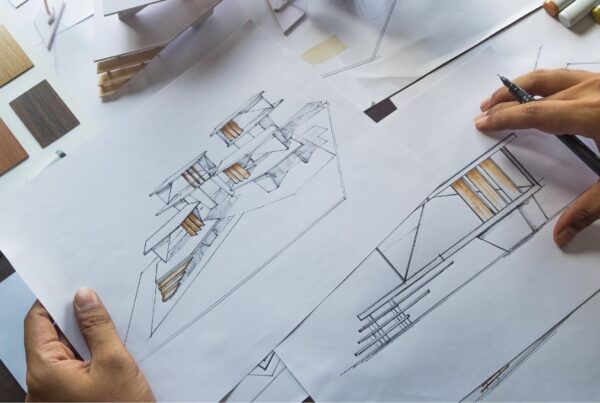
- Project plans, drawings, specifications, and schedules
- Invoices, payment records, and accounting documents
- Emails, text messages, and other communications
- Photographs and videos of the property and construction work
- Inspection reports and engineering evaluations
- Permits, code documents, and government records
- Materials, equipment, or defective components
- Daily logs and project management records
The key is not simply collecting documents, but preserving evidence in a condition that can later be relied upon to establish what actually happened.
Why Is Evidence Preservation Important in Construction Litigation?
Construction disputes often turn on facts that cannot be recreated later. Consider a contractor accused of defective workmanship. If the allegedly defective work is torn out and replaced before it is properly documented, an important piece of evidence may be gone.
The same problem can arise with water intrusion, structural damage, improperly installed materials, construction delays, or alleged code violations. Once the condition changes, it may become considerably more difficult to determine what caused the problem. That can affect not only the strength of a claim or defense, but also the ability to prove damages.
What Should You Do When a Construction Dispute Arises?
If you believe a construction dispute may become a legal matter, resist the temptation to immediately alter or destroy the evidence surrounding the dispute. Instead, take reasonable steps to preserve the existing condition and documentation.
This may include taking detailed photographs and videos, maintaining relevant communications, preserving project files, and identifying individuals who may have firsthand knowledge of what occurred.
It is also important to avoid relying solely on one person’s recollection. Memories change. Documents, photographs, project records, and other contemporaneous evidence can provide a much clearer picture of what happened.
Should You Send a Legal Hold in a Construction Dispute?
In more serious disputes, it may be appropriate to take formal steps to preserve potentially relevant information. A litigation hold, sometimes called a legal hold, is designed to prevent the destruction or alteration of information that may be relevant to a potential lawsuit.
This can become particularly important when a dispute involves large volumes of electronic information, including emails, text messages, project-management software, photographs, and other digital records.
The earlier the parties recognize that litigation may be on the horizon, the easier it generally is to identify and preserve potentially important evidence.
What Happens If Construction Evidence Is Destroyed?
Destroying, altering, or failing to preserve relevant evidence can create serious problems during litigation. Depending on the circumstances, disputes may arise over whether evidence was intentionally destroyed, whether it should have been preserved, and what consequences should follow.
That is why waiting until a lawsuit has already been filed can be a mistake. Evidence preservation should begin when a serious dispute becomes reasonably foreseeable, not after the most important evidence has already disappeared.
When Should You Contact a Construction Litigation Attorney?
You do not necessarily need to wait until you receive a lawsuit to speak with a construction litigation attorney.
If you are dealing with a major construction defect, payment dispute, contract dispute, project delay, construction lien issue, or disagreement over responsibility for property damage, getting legal advice early can help you understand what evidence may matter and what steps should be taken to protect your position.
At our law firm, we represent businesses, property owners, contractors, developers, and other parties involved in complex construction and real estate disputes throughout Florida.
If a construction dispute is developing, please don’t hesitate to contact one of our experienced attorneys at 305-570-2208.
You can also contact our team directly at: arianna@ayalalawpa.com
Schedule a case evaluation online here.
[The opinions in this blog are not intended to be legal advice. You should consult with an attorney about the particulars of your case].
Subscribe to Our Blog
Stay informed with our latest blog posts delivered directly to your inbox. Gain valuable legal insights, tips, and advice from our seasoned attorneys.